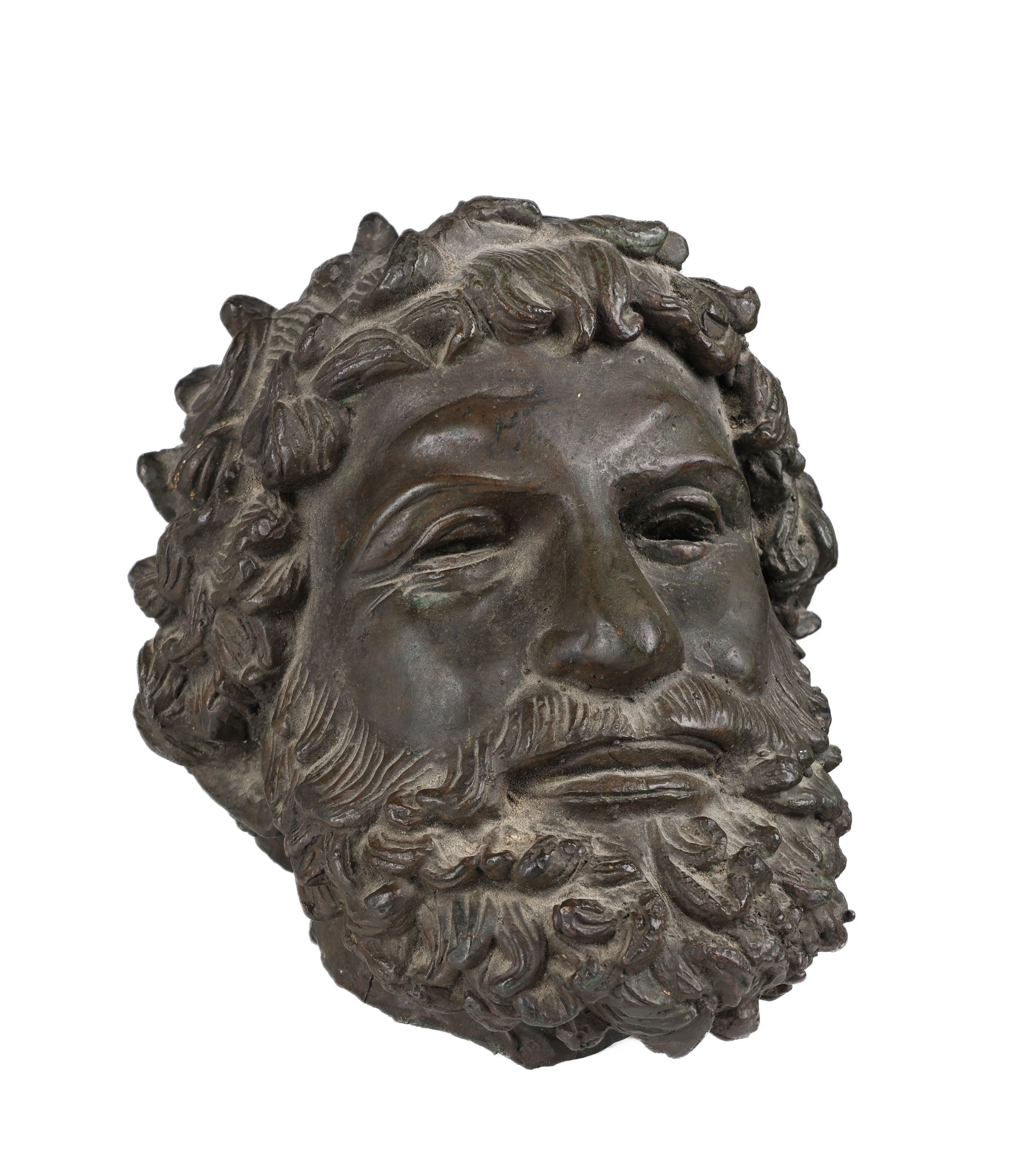
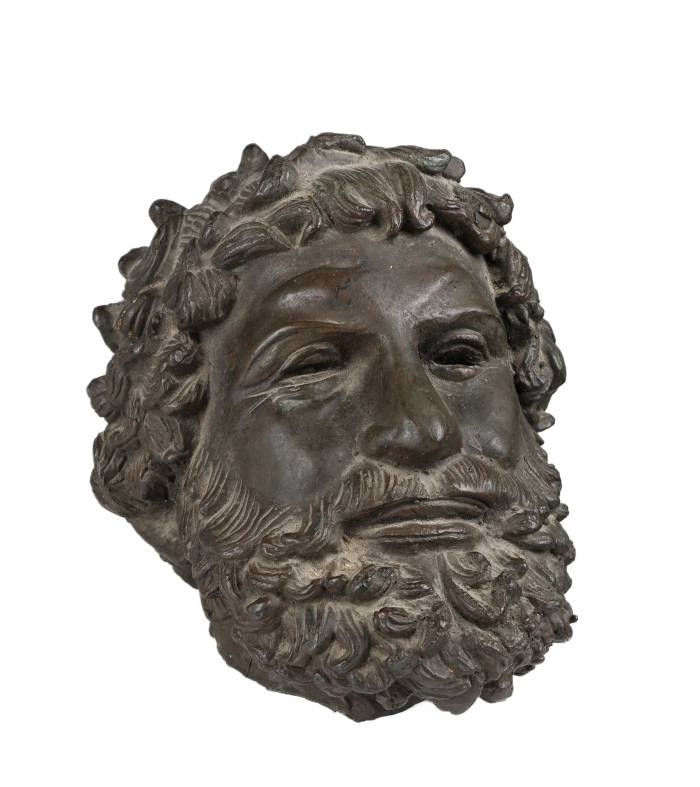
HEAD OF THE GREEK BOXER “SATYROS” GREECE, IN THE STYLE OF THE HELLENISTIC PERIOD, 4TH CENTURY BC
AntiqonART consultant will contact you within one business day after receiving your request.
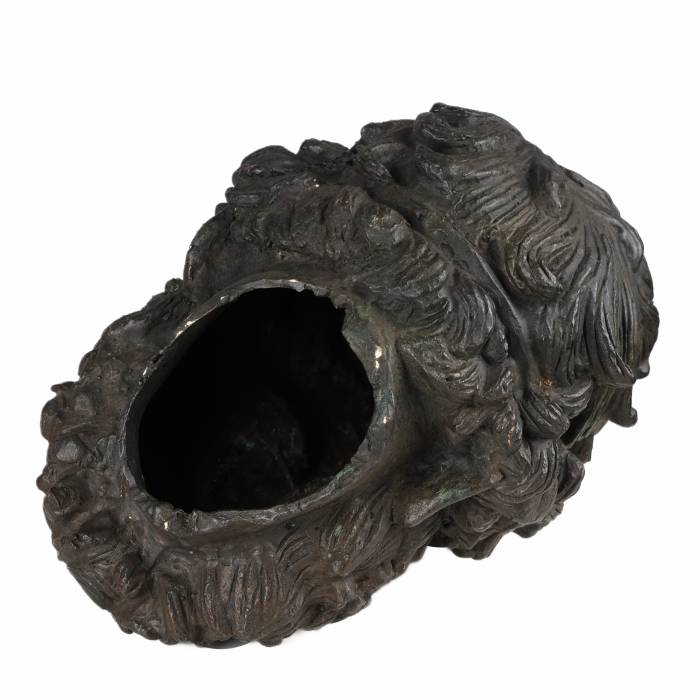
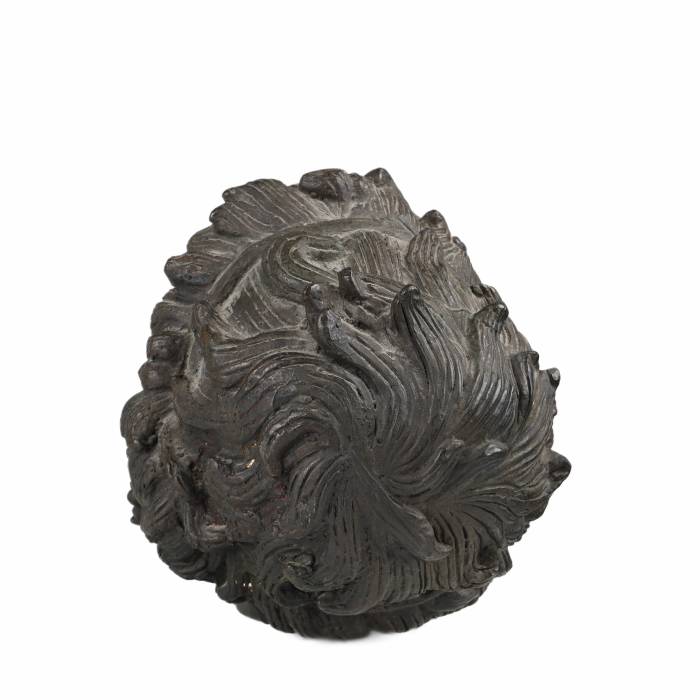
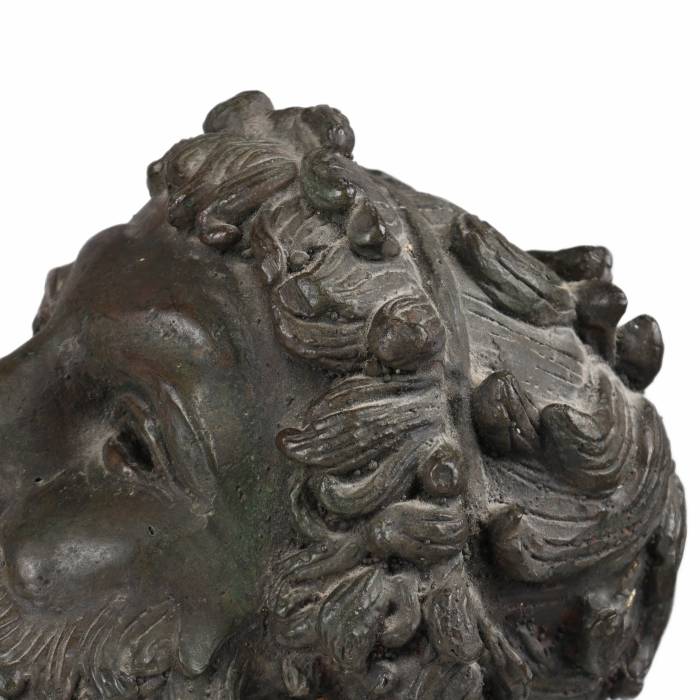
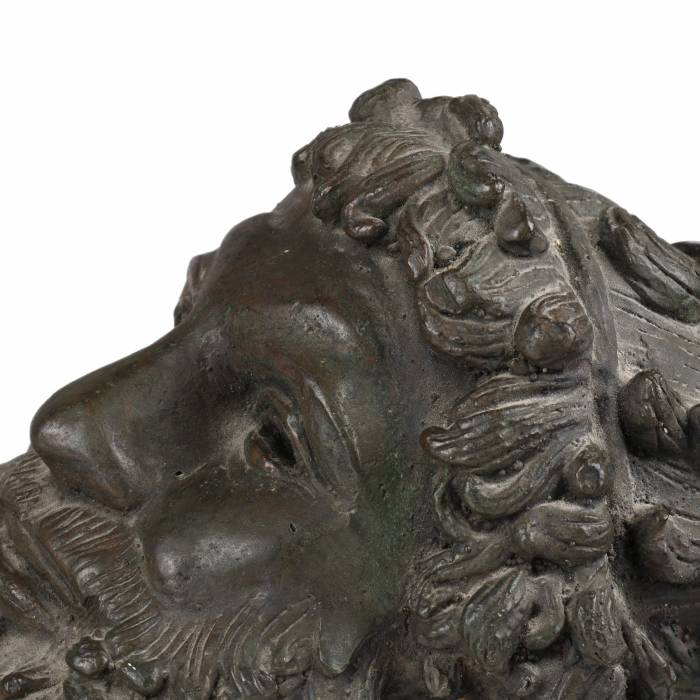
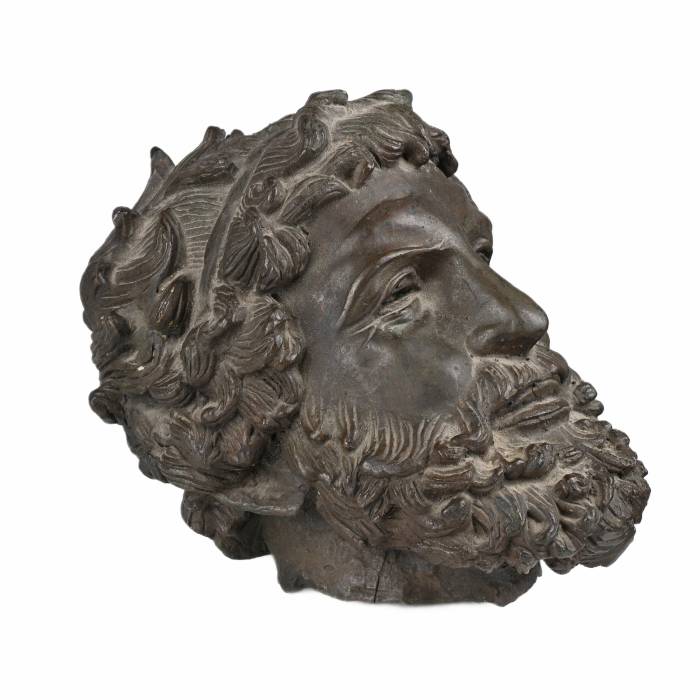
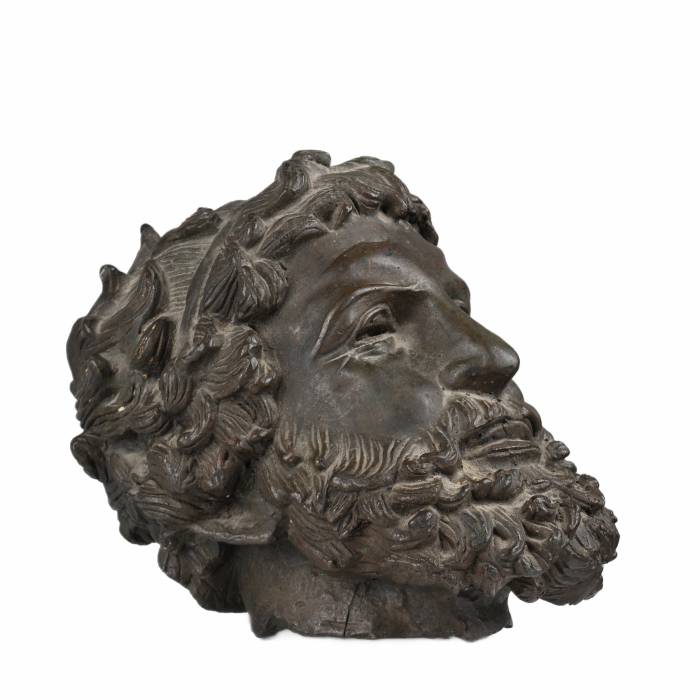
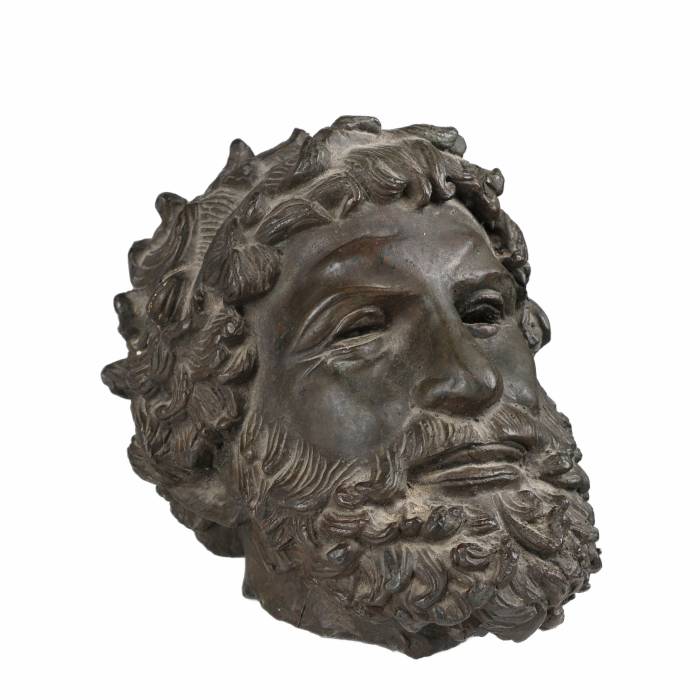
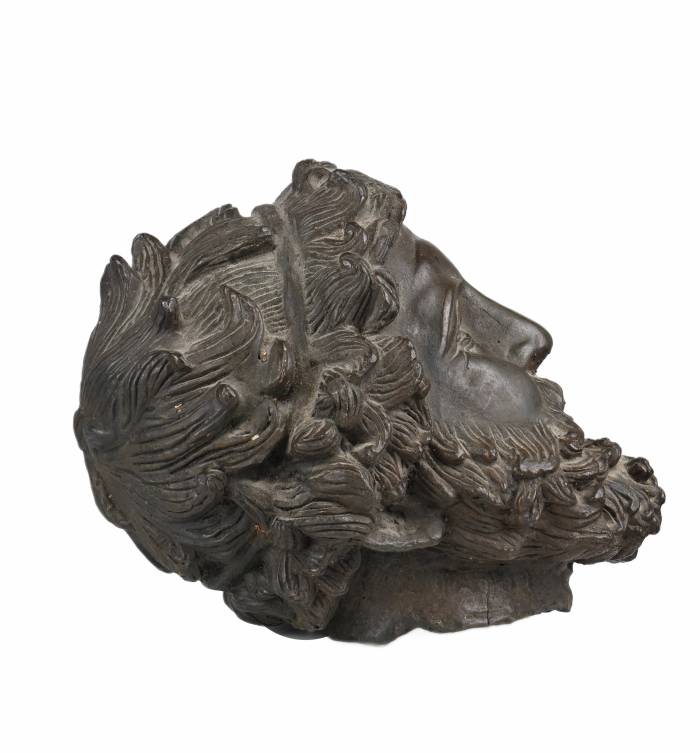
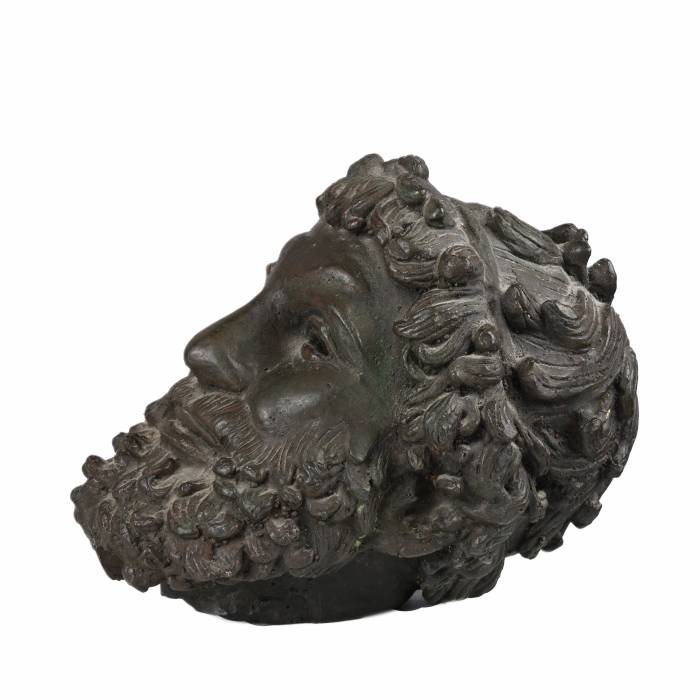
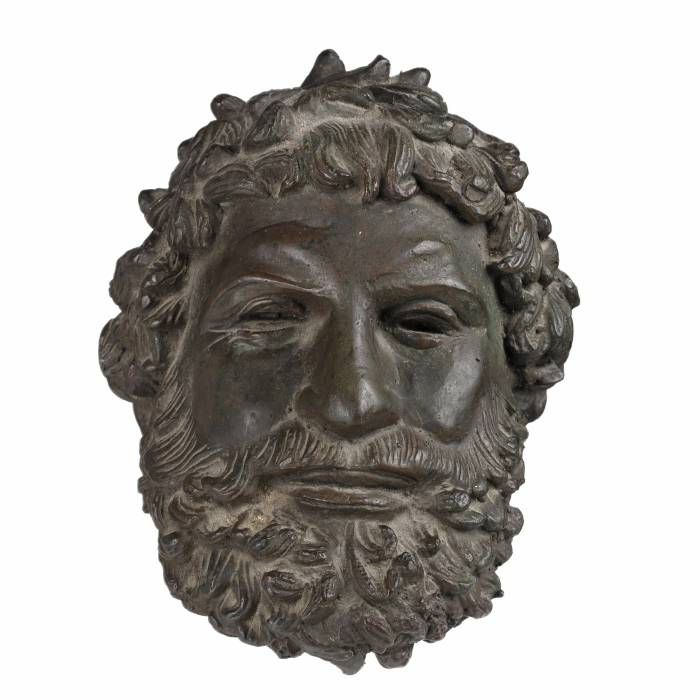
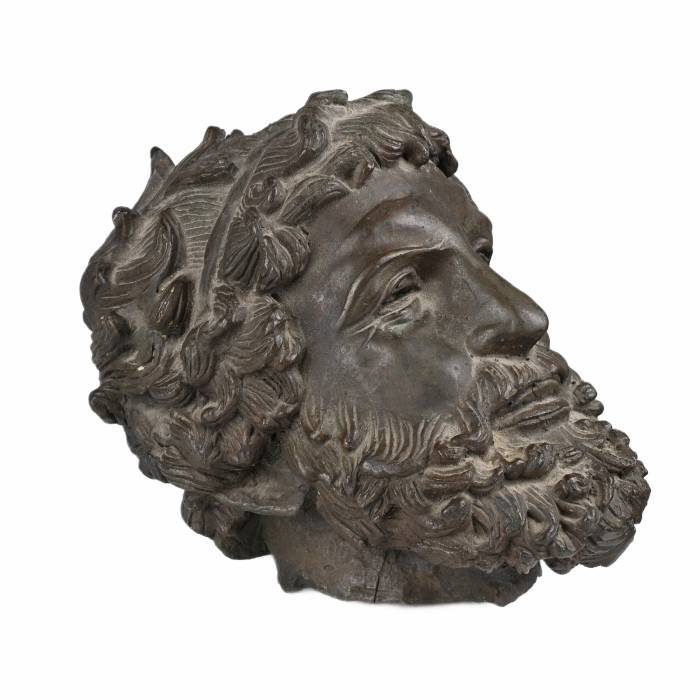
Bronze sculpture – the head of an ancient Greek athlete, executed in the figurative tradition of Hellenistic portrait sculpture. The work refers to the famous type of “Satyros” – a Greek boxer whose image became established in art around 340 BC. The head, with a full beard and wavy hair crowned with a laurel wreath, is rendered with meticulous attention to detail and modelling. The expressive facial features, slightly narrowed gaze, and confident turn of the head convey strength, inner focus, and the dignity of a victor. The casting is finely worked, with a rich texture of hair and smooth transitions of form characteristic of the finest examples of Greek bronze sculpture. The image of the ancient Greek athlete embodies the ideal of courage, endurance, and honourable sporting glory so highly valued in ancient culture.
Dimensions: Height: 18 cm, width: 23 cm, depth: 18 cm.
Weight: 4,075 g.
Condition: Good; noble dark green and brown patina, natural traces of age, no loss of form.
Provenance: Private European collection.
In ancient art, portraits of athletes held a place of honour, symbolising not only physical perfection but also moral virtues such as valour, resilience, and dedication to fair competition. The Hellenistic portrait sculpture of the 4th century BC, to which the type of “Satyros” belongs, combined the classical harmony of form with an increasing attention to individual features and emotional expressiveness.
Boxing in Ancient Greece was one of the most prestigious contests, requiring exceptional physical conditioning and strength of spirit. Victors were awarded the laurel wreath – the highest mark of honour and glory – which was often depicted on their sculptural portraits. Such portraits were placed in gymnasia, agoras, or sanctuaries, becoming monuments that inspired future generations.
The iconographic type of “Satyros” was widely known throughout the ancient world and remained influential during the Roman era, when original works were reproduced to adorn public spaces and private collections. The lost-wax casting technique allowed ancient masters to achieve remarkable precision in rendering anatomy, hair texture, and emotional nuance. Today, such images stand as enduring symbols of the ancient ideal of harmony between body and spirit, immortalised in bronze.
The sculpture is in good overall condition; even noble patina with light oxidation accentuating the relief and depth of modelling.
The condition report is provided for informational purposes only.
It is not comprehensive and may not reflect all defects, restorations, alterations, or adaptations, as Antiqon does not perform professional conservation-level assessments. The information is based on a qualified, yet subjective, evaluation by our specialists.Before purchasing, we recommend consultation with an independent expert.Please also consult our Terms and conditions and Glossary A-Z, which contain important information on lot characteristics and sale conditions.