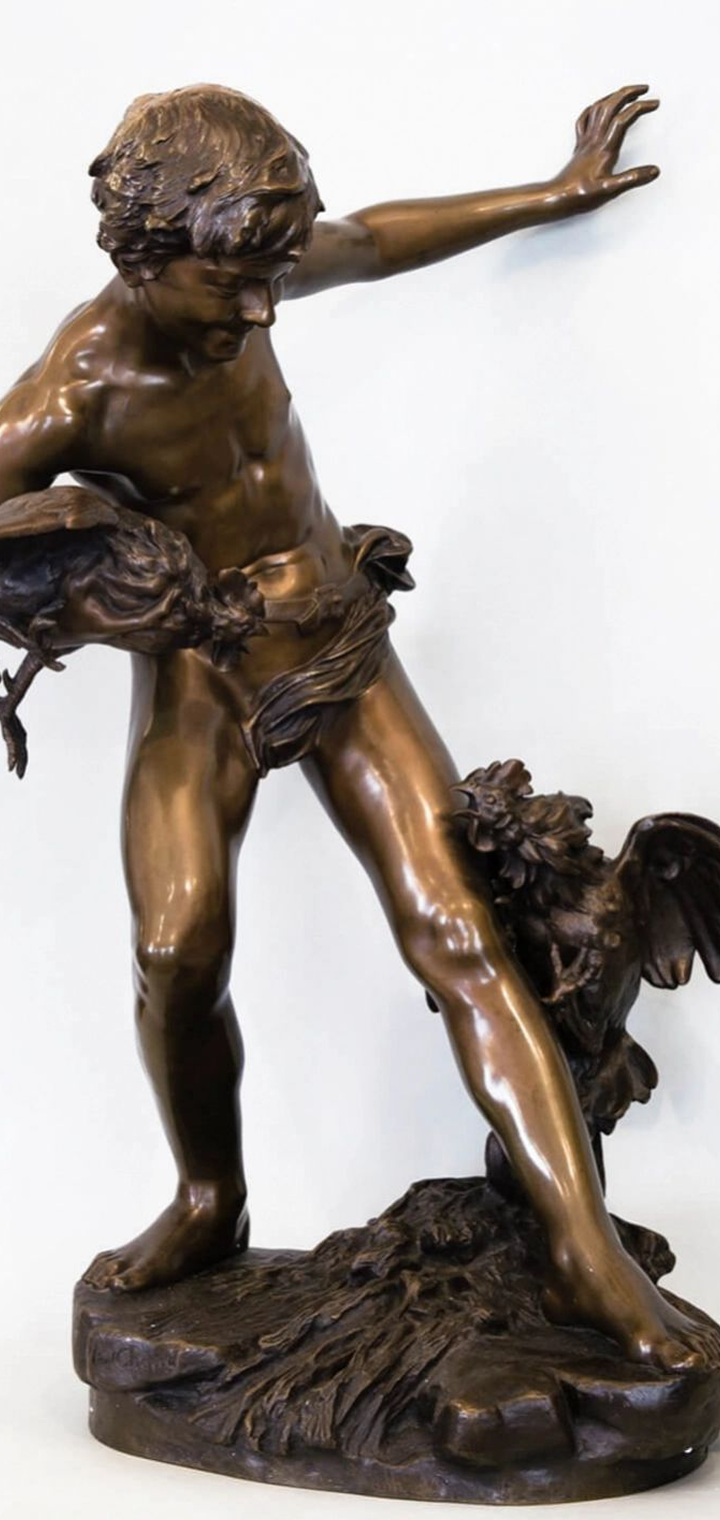
Price:
3500 €
Add to cart
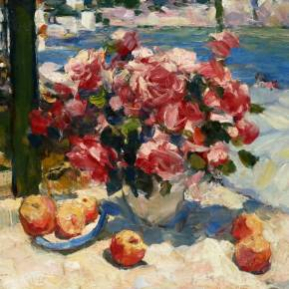
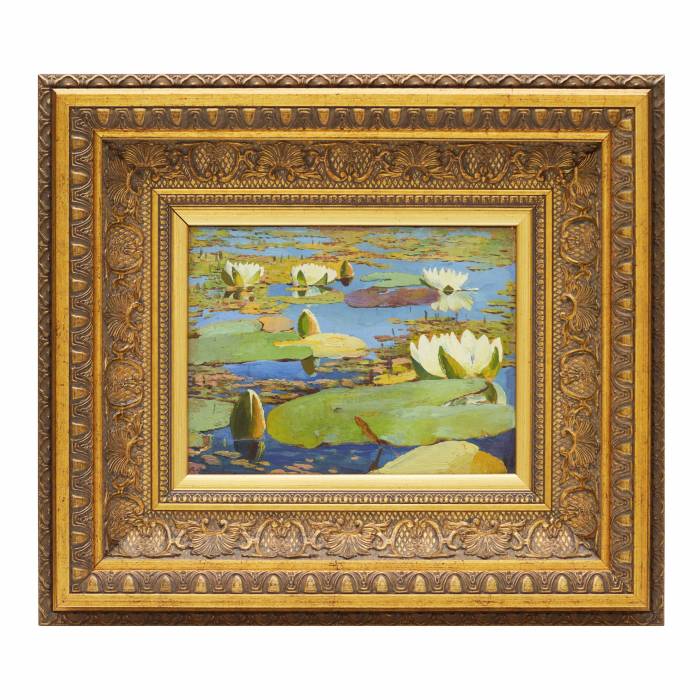

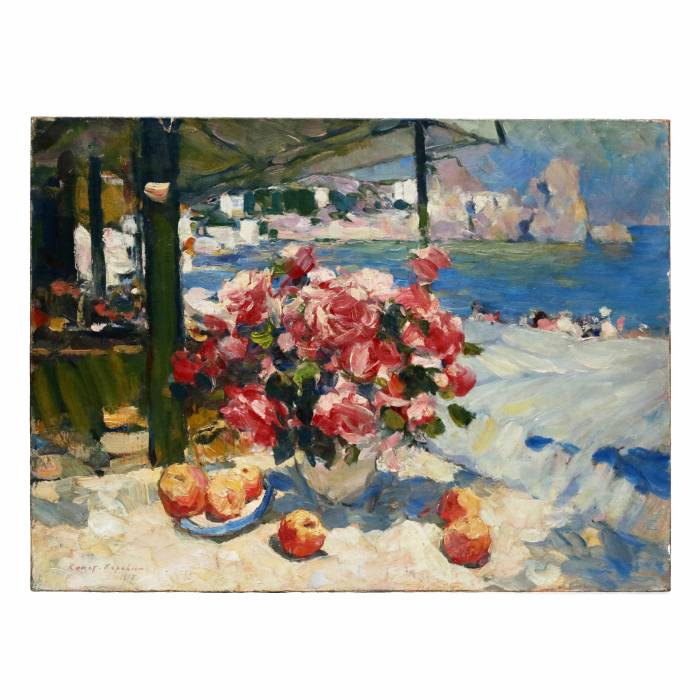
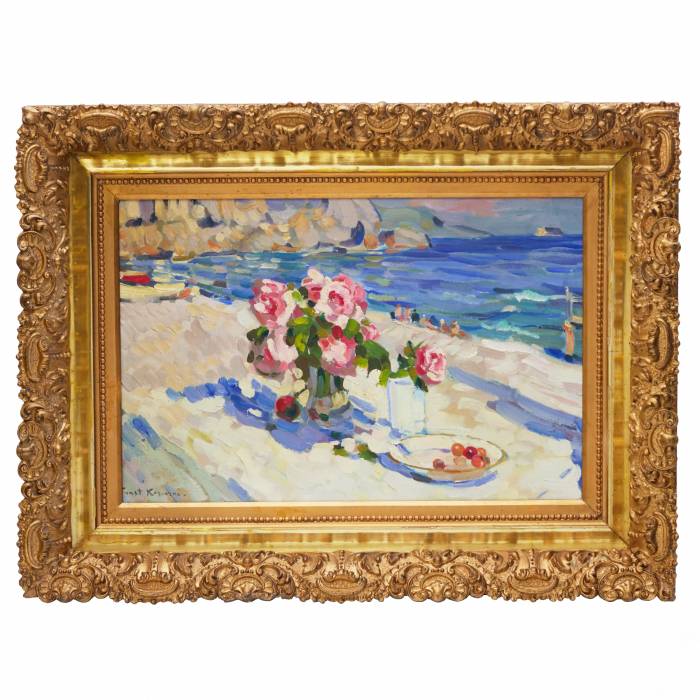
Russian Impressionism is a tendency in painting of the late 19th and early 20th centuries that developed under the influence of French Impressionism while remaining closely connected to the traditions of the Russian realist school. Its representatives sought to convey the changing effects of light, air, and atmosphere, combining a свободную живописную манеру with a poetic interpretation of the Russian landscape and contemporary life.
We will only share latest what our month on the RUSSIAN IMPRESSIONISM.
ORIGINS AND DEVELOPMENT
The formation of Russian Impressionism is associated with the artistic environment of Moscow and Saint Petersburg in the late 19th century. Important roles were played by the Moscow School of Painting, Sculpture and Architecture and the Imperial Academy of Arts, where a new generation of artists became familiar with European artistic trends.
Many Russian painters travelled across Europe and worked in France, where they encountered the works of the French Impressionists. In Russia, however, Impressionism did not emerge as a strictly independent movement but rather developed as a painterly tendency within the broader framework of the realist tradition.
Russian artists adapted the Impressionist visual language to the characteristics of northern nature, Russian architecture, and the national landscape school. As a result, a distinctive version of Impressionism developed, notable for its richer color range, more substantial brushwork, and particular attention to seasonal states of nature.
ARTISTIC CHARACTERISTICS
Russian Impressionism retains many principles of the French painterly system but displays several distinctive features.
Typical characteristics include:
Subjects commonly include Russian landscapes, urban scenes, depictions of everyday life, and portraits of contemporaries.
KEY ARTISTS AND WORKS
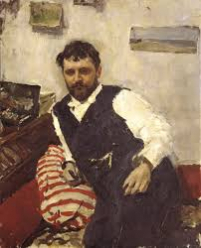
Konstantin Alekseevich Korovin (1861 - 1939)- Paris. Boulevard at Night (1897), Northern Idyll (1892)
Valentin Alexandrovich Serov (1865 - 1911) - Girl with Peaches (1887), Girl Illuminated by the Sun (1888)
Igor Emmanuilovich Grabar (1871 - 1960) - February Azure (1904), March Snow (1904)
Konstantin Fyodorovich Yuon (1875 - 1958) - March Sun (1915), Domes and Swallows (1921)
Nikolai Petrovich Tarkhov (1871 - 1930) - Garden in Bloom (circa 1900)
Stanislav Yulianovich Zhukovsky (1875 - 1944) - Spring at the Estate (1910)
INFLUENCE AND LEGACY
Russian Impressionism became an important stage in the development of the national school of painting at the turn of the 19th and 20th centuries. It expanded the possibilities of the realist tradition by introducing new means of representing light, atmosphere, and painterly texture.
Many principles of this approach continued to develop in the work of early 20th century artists and influenced the emergence of modern artistic tendencies. Today works by Russian Impressionist painters occupy an important place in museum collections and on the international art market, attracting significant interest from collectors and art historians.