×
Create account and receive
15% DISCOUNT
your first acquisition
or
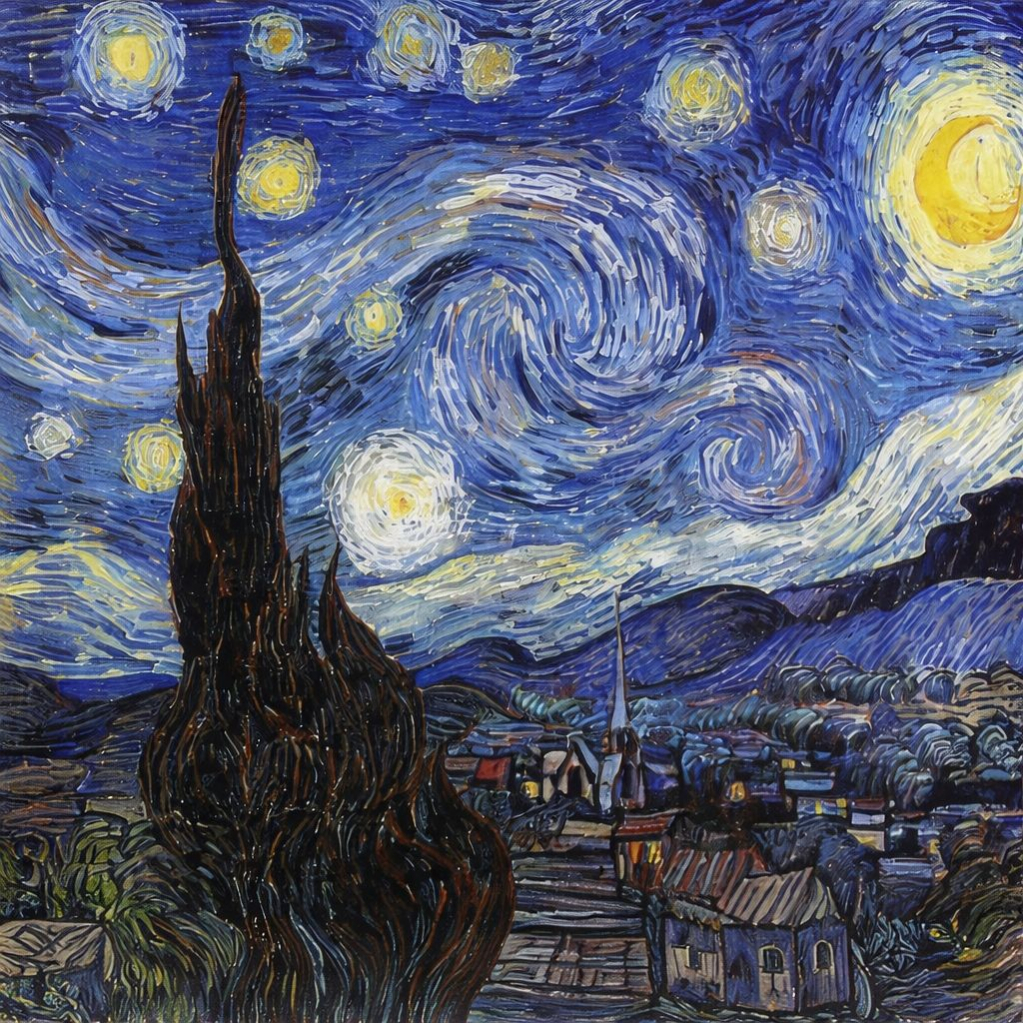
The style Impressionism is an artistic movement that emerged in France in the late 19th century and fundamentally transformed the understanding of painting. It focuses on capturing fleeting visual impressions, the variability of light, and atmospheric effects, opposing direct perception to academic conventions.
We will only share latest what our month on the IMPRESSIONISM.
ORIGINS AND DEVELOPMENT
Impressionism originated in Paris during the 1860s–1870s among artists who rejected the formal standards of the official Salon. Its development was closely linked to urban culture, new scientific studies in optics, and the widespread practice of plein-air painting. Artists sought to depict transient states of nature and modern life through immediate visual perception. By the end of the 19th century, Impressionism achieved international recognition and profoundly influenced subsequent artistic movements.
ARTISTIC CHARACTERISTICS
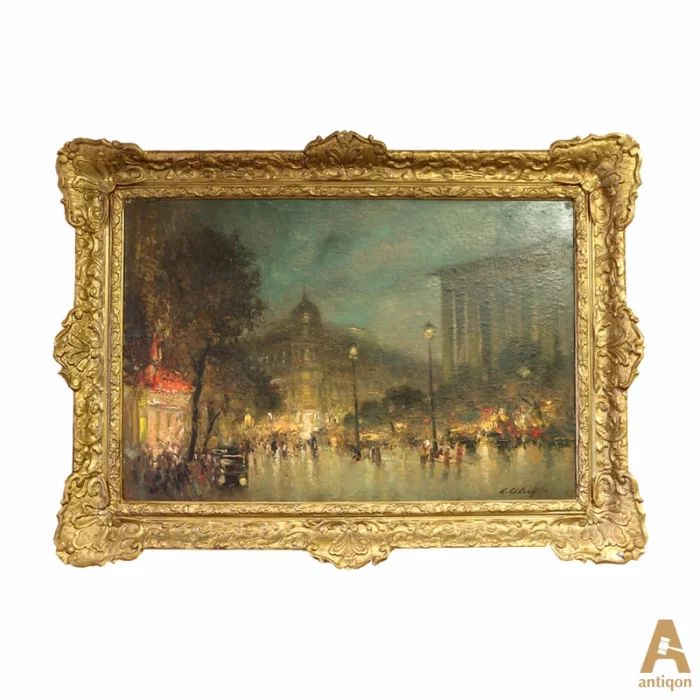
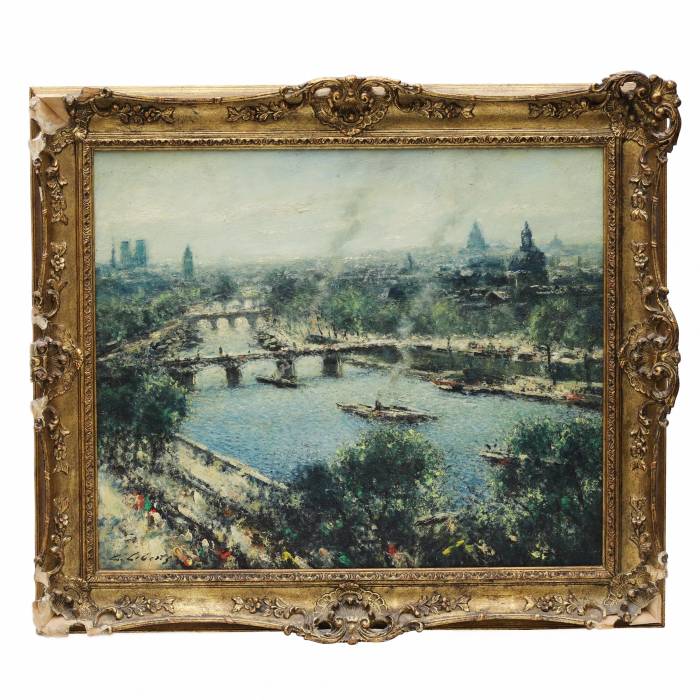
Impressionism is characterized by a free handling of paint, broken brushstrokes, and the abandonment of precise contour lines. Color assumes an autonomous expressive role, while light becomes the primary structuring element of the composition. Space is rendered fragmentarily, creating an effect of spontaneity and direct visual experience.
NOTABLE SCHOOLS AND MOVEMENTS
Within Impressionism developed the French Impressionist School, as well as regional adaptations in England, Germany, and the United States, where the stylistic principles were integrated into national artistic traditions and cultural contexts.
KEY ARTISTS AND WORKS
The Impressionist canon was established by artists whose works defined a new approach to light, color, and everyday subject matter, laying the foundations for the artistic developments of the 20th century.
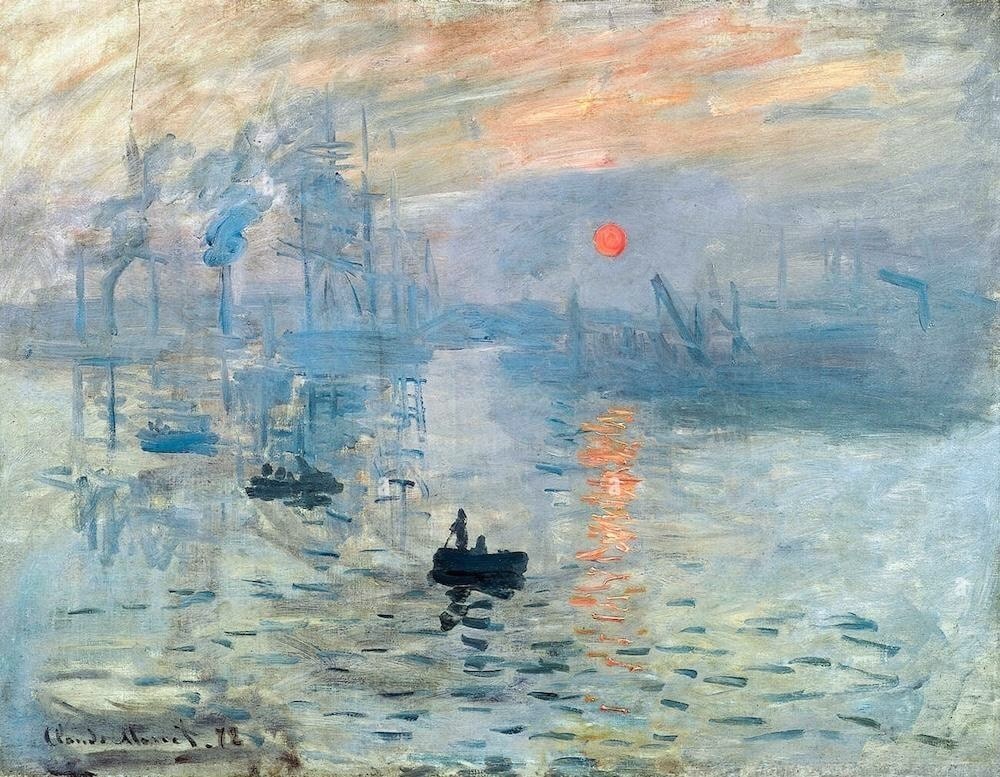
CLAUDE MONET – Impression, Sunrise (1872);
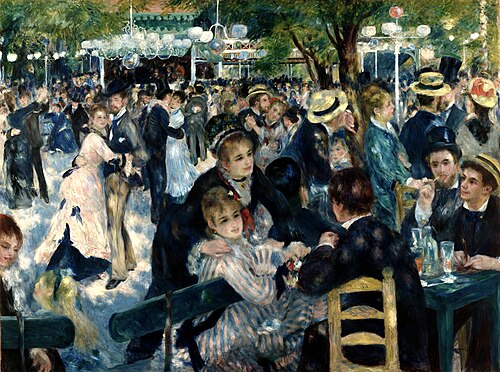
PIERRE-AUGUSTE RENOIR – Dance at the Moulin de la Galette (1876);
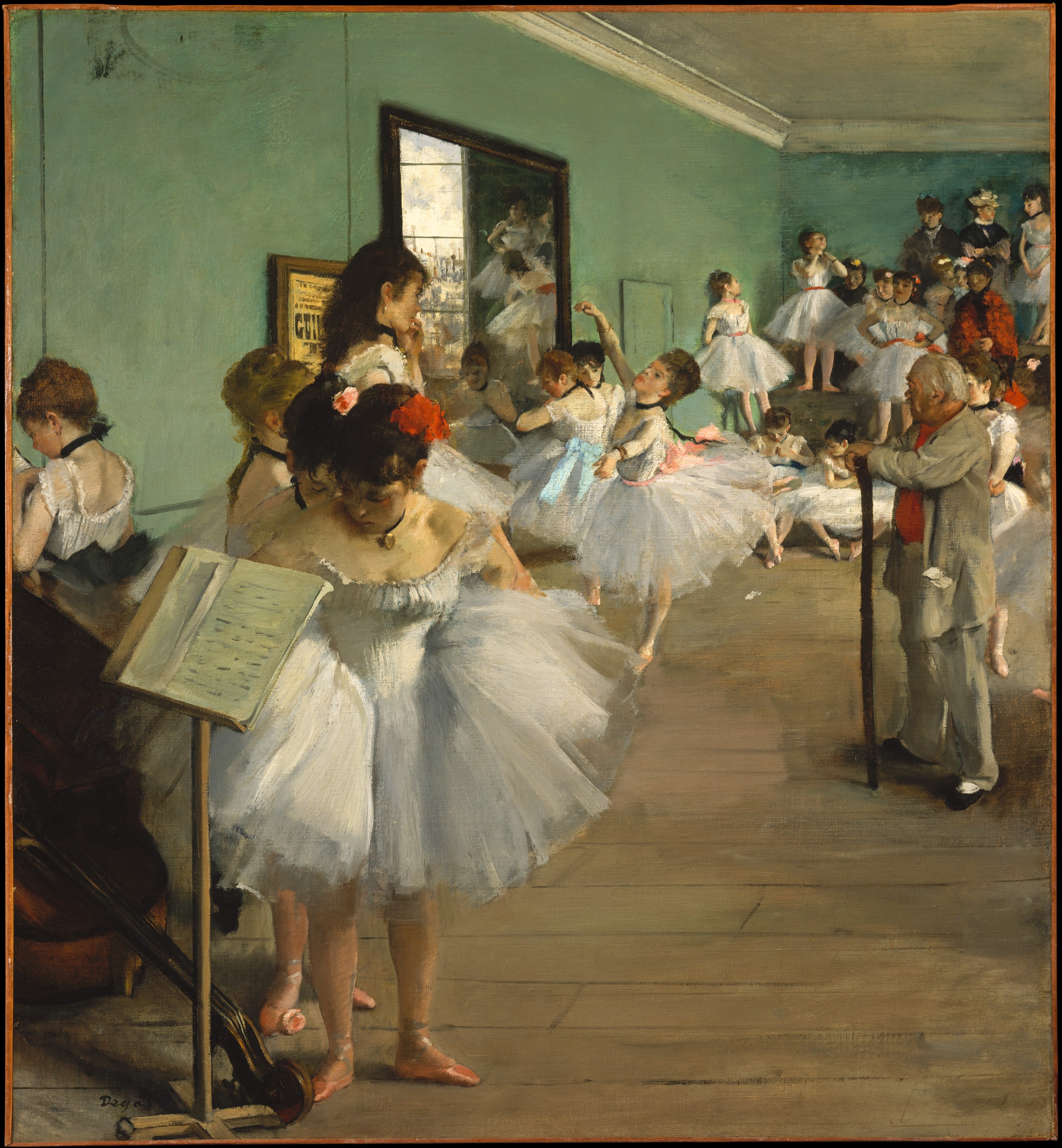
EDGAR DEGAS – The Dance Class (1874);
CAMILLE PISSARRO – Boulevard Montmartre at Night (1897);
BERTHE MORISOT – The Cradle (1872).
INFLUENCE AND LEGACY
Impressionism became a starting point for major artistic movements of the late 19th and early 20th centuries. Its innovations in color and light influenced Post-Impressionism, Fauvism, and subsequent modernist trends. Impressionist works occupy a central place in the world’s leading museum collections and remain a key focus of scholarly research.