Price:
2000 €
Add to cart

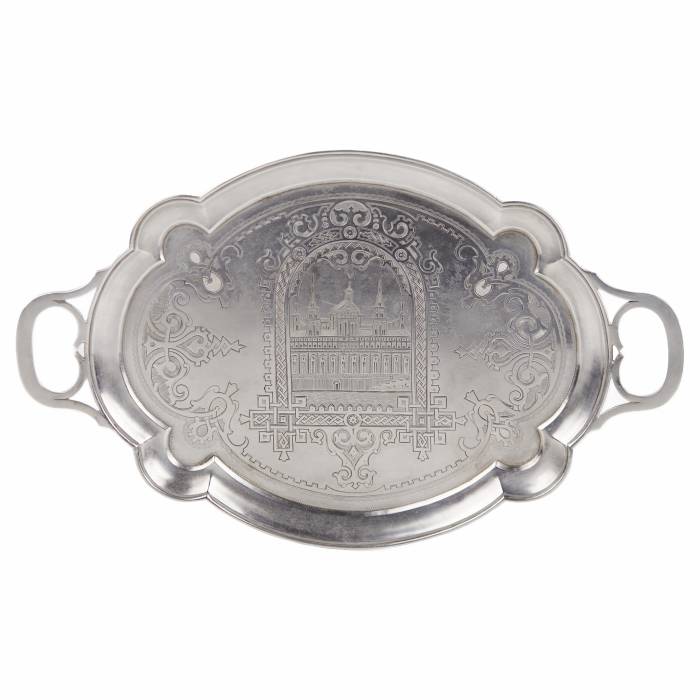
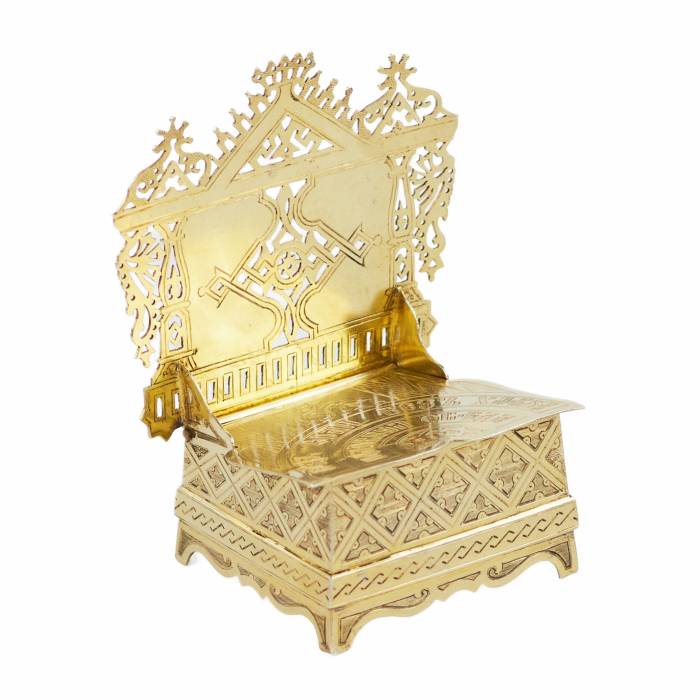
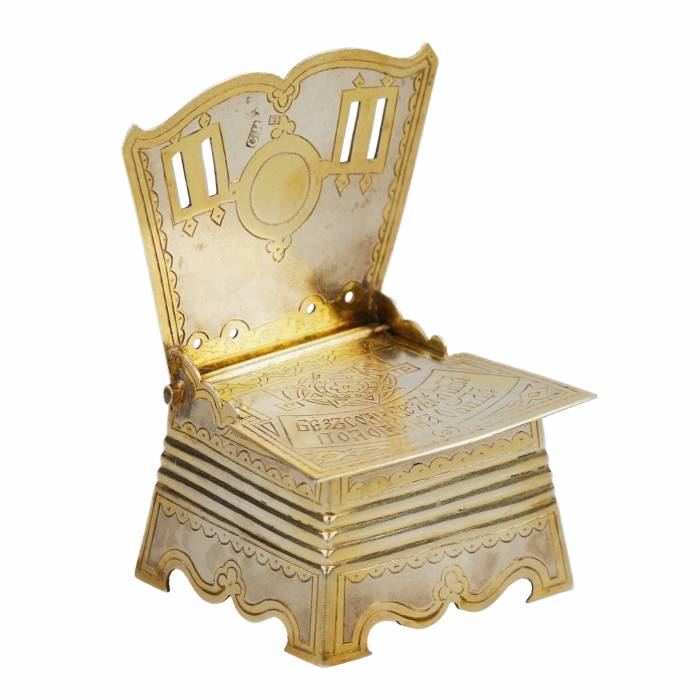
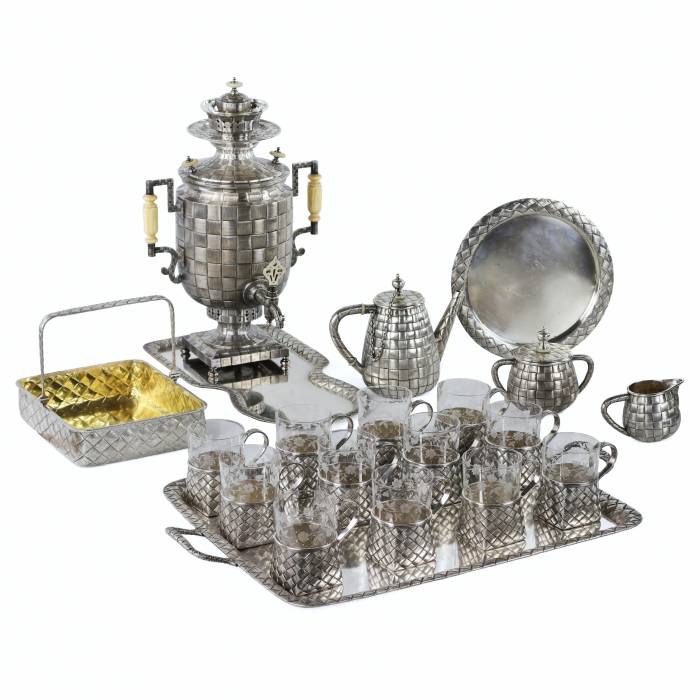
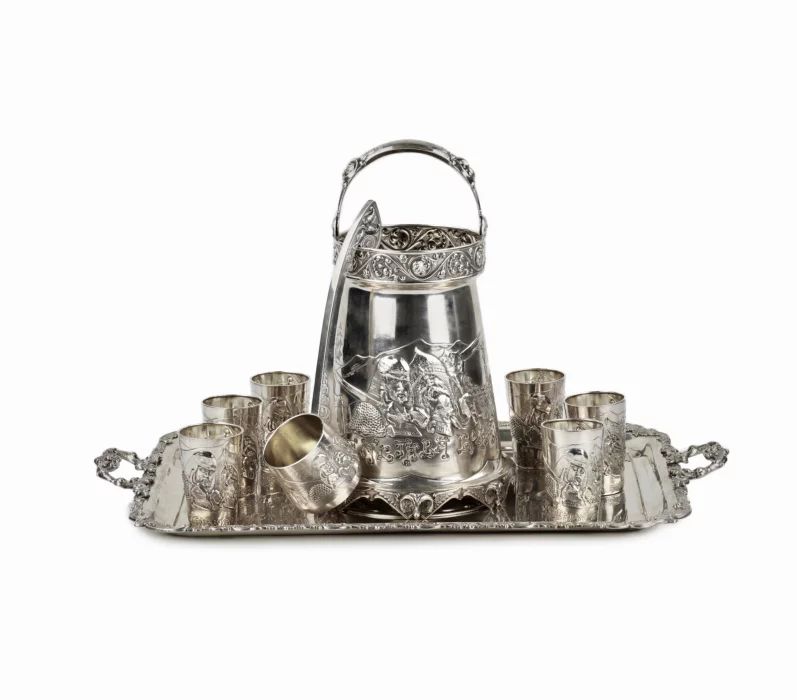
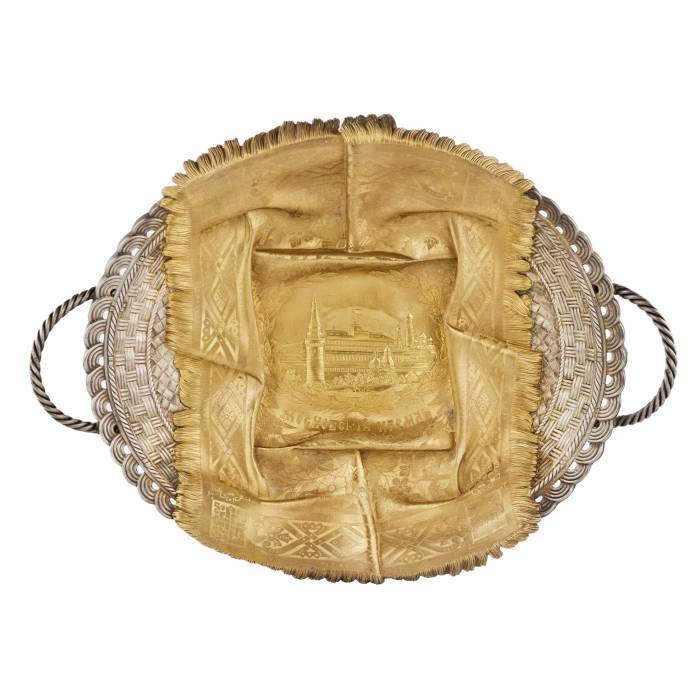
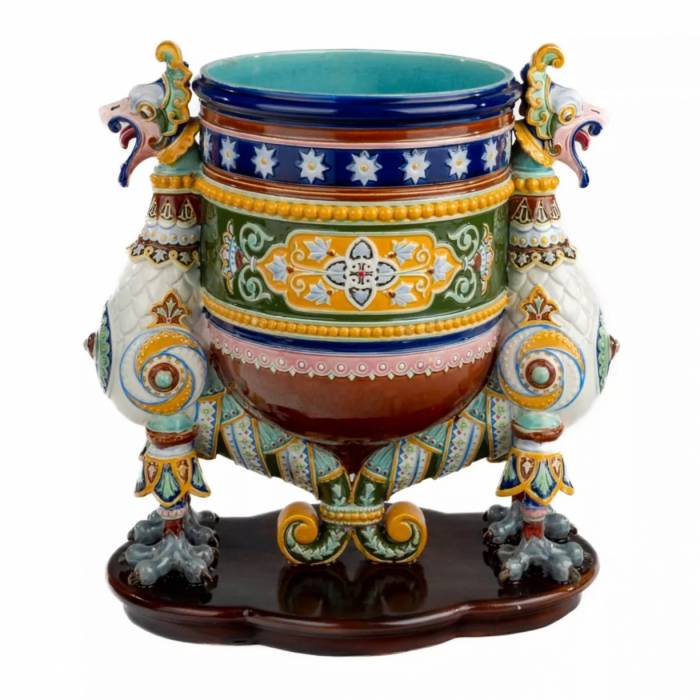
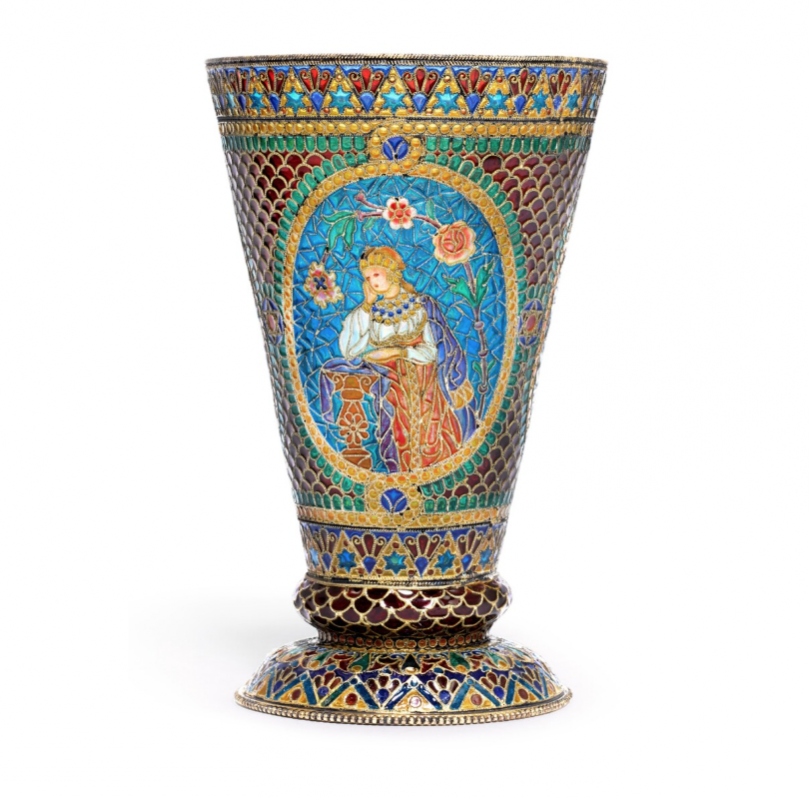
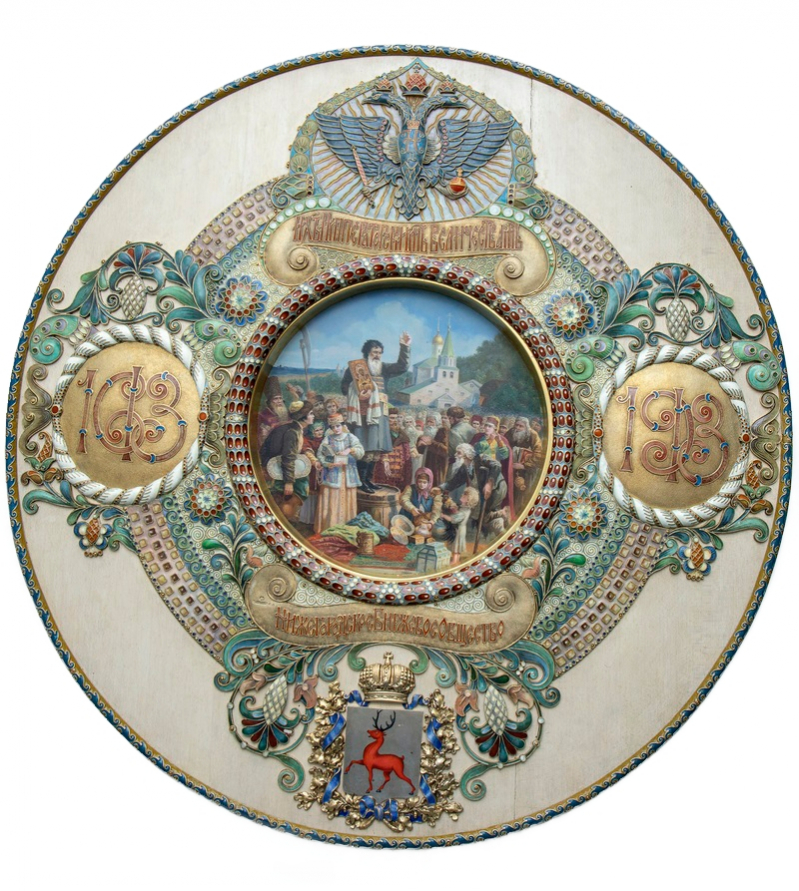
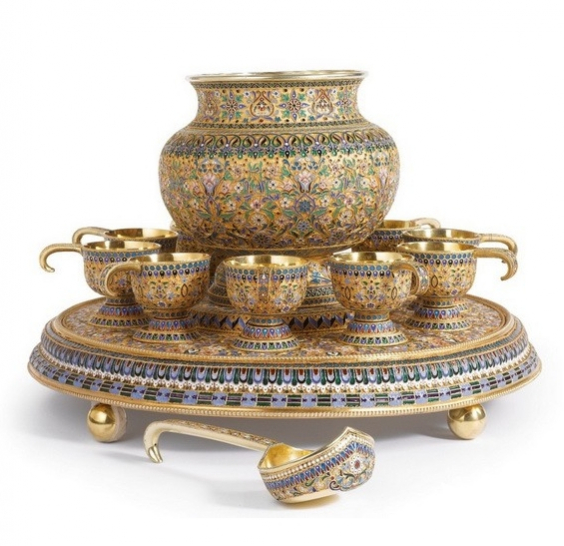
The Neo-Russian style is an artistic movement that emerged in Russia at the turn of the 19th and 20th centuries as part of a national-romantic rethinking of historical heritage. It draws on Old Russian architecture, icon painting, and folk art, integrating them with the principles of Art Nouveau and Symbolism in architecture, painting, and the decorative arts.
We will only share latest what our month on the NEO-RUSSIAN STYLE.
ORIGIN AND DEVELOPMENT
The Neo-Russian style developed as a response to the dominance of academic traditions and Western European artistic models in late 19th-century Russian culture. Its formation was driven by a growing interest in national history, medieval architecture, and Byzantine heritage, as well as by the activities of artistic circles and estate-based cultural centers. Abramtsevo and Talashkino played a key role in shaping a synthesis of architecture, painting, and applied arts. By the early 20th century, the style became widespread in ecclesiastical and civic architecture, book illustration, theatrical design, and the artistic environment.
ARTISTIC CHARACTERISTICS
The Neo-Russian style is characterized by monumentality of form, generalized silhouettes, and a decorative treatment of volume. Architecture features tented roofs, kokoshnik gables, archaizing proportions, and asymmetrical compositions. In painting and graphic art, flatness, clear contour lines, local color, and ornamental rhythms derived from icon painting traditions prevail. Materials and techniques emphasize craftsmanship, including wood, stone, ceramics, enamel, and tempera painting. The style aspires to a synthesis of the arts and the creation of a unified artistic environment.
MAJOR SCHOOLS AND DIRECTIONS
Abramtsevo Circle
National Romantic Direction
Neo-Russian Art Nouveau
Fairy-Tale and Epic Variant
KEY ARTISTS AND WORKS
Artists and architects associated with the Neo-Russian style shaped a visual canon of national romanticism, combining historical sources with modern artistic approaches and establishing a lasting imagery of Russian culture.
VIKTOR VASNETSOV - Bogatyrs (1898)
MIKHAIL VRUBEL - Decorative panels for the Abramtsevo ceramic workshop (1890s)
IVAN BILIBIN - Illustrations for Russian folk tales (1900s)
SERGEY MALYUTIN - Architectural projects in Talashkino (1901)
INFLUENCE AND LEGACY
The Neo-Russian style had a significant impact on the development of Russian architecture in the early 20th century, as well as on stage design, book illustration, and the decorative arts. It played a crucial role in shaping national artistic identity and represents an important stage in the synthesis of tradition and modern artistic thinking. Today, it remains a key subject of museum display and scholarly research.