×
Create account and receive
15% DISCOUNT
your first acquisition
or

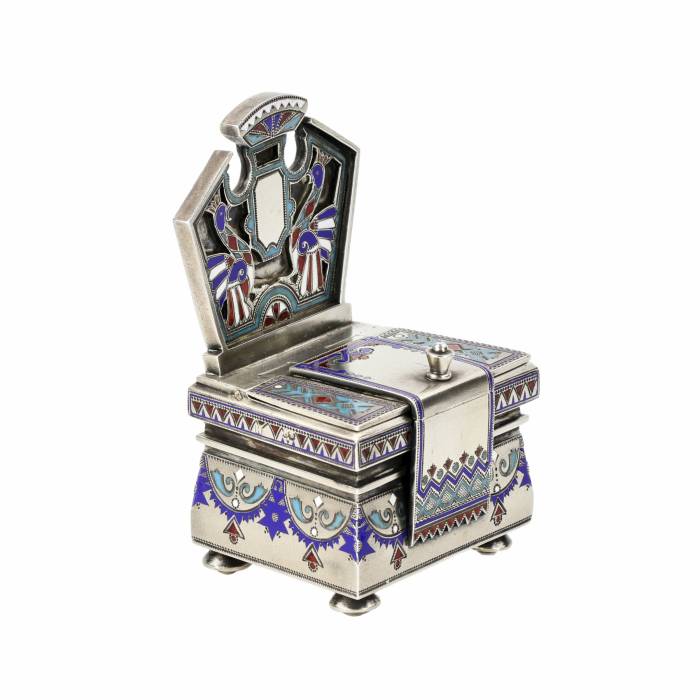
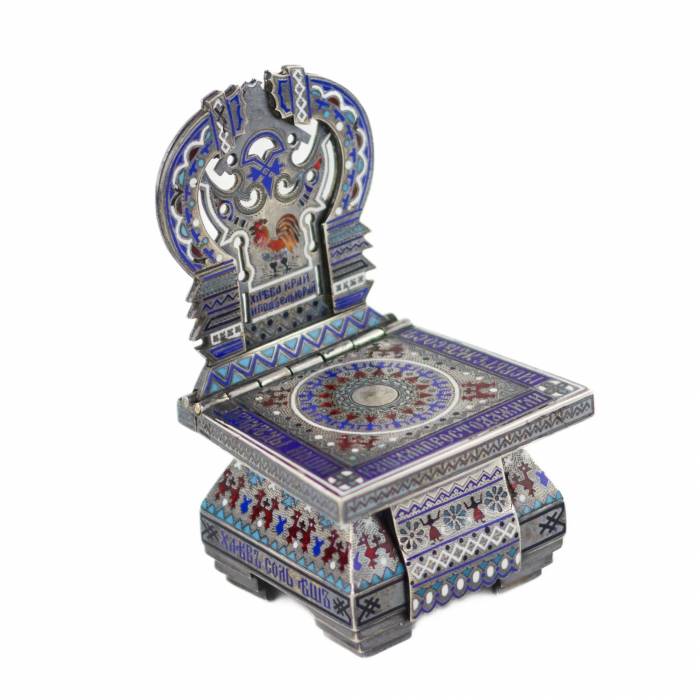
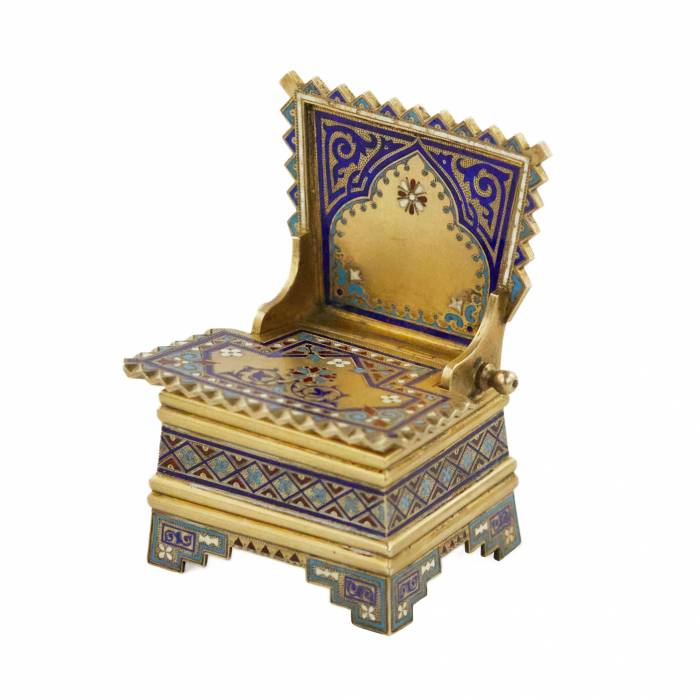
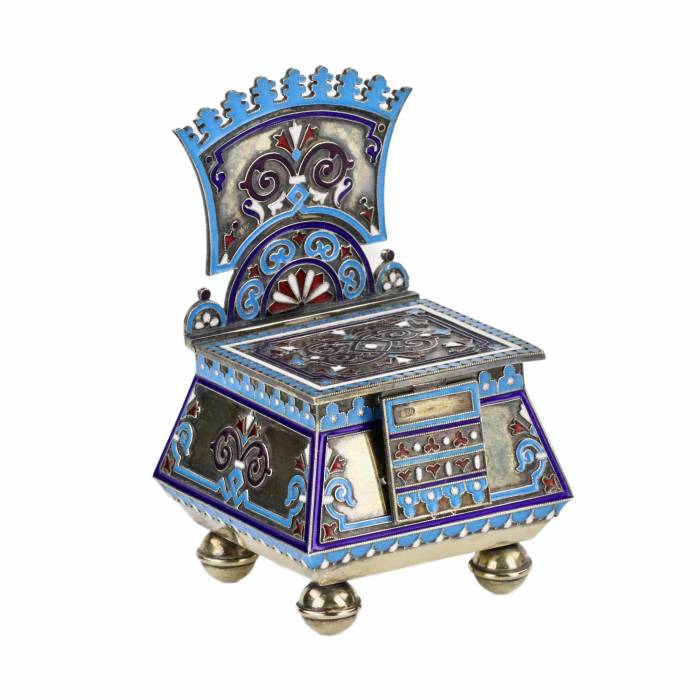
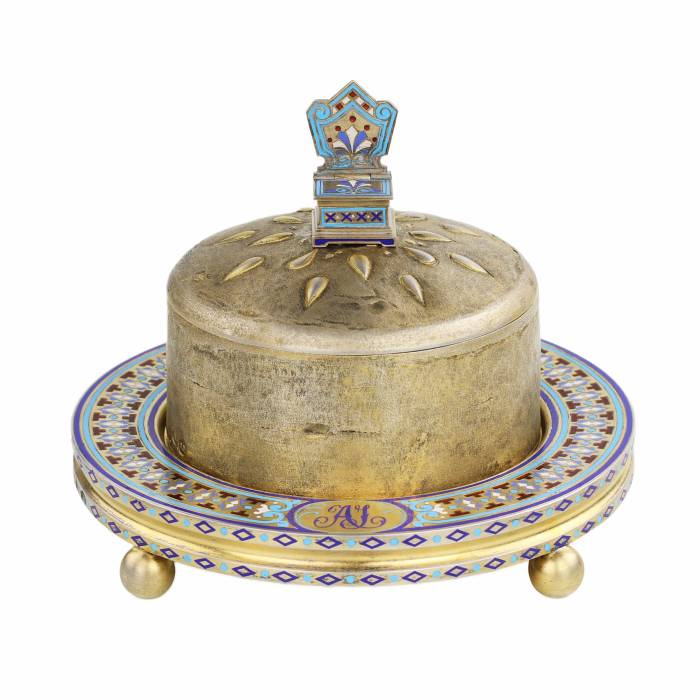
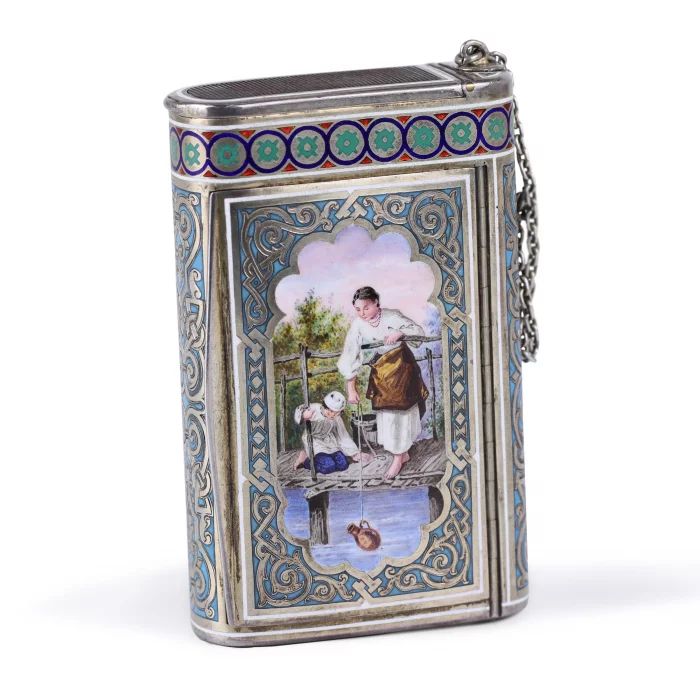
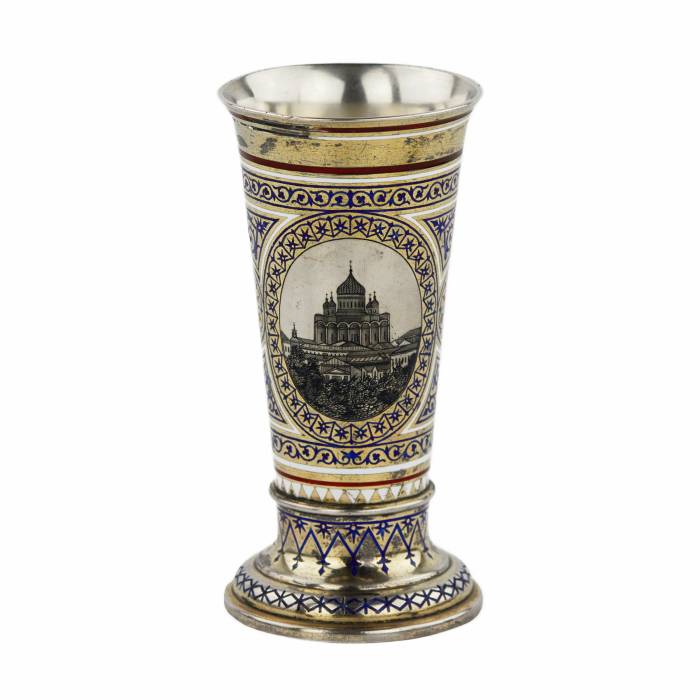
Champlevé enamel is a decorative enameling technique in which colored enamel is applied into recesses carved or chased directly into a metal surface. This method produces a dense and saturated decorative effect and was widely used in European and Russian decorative and applied arts over many centuries.
We will only share latest what our month on the CHAMPLEVÉ ENAMEL.
HISTORY AND ORIGIN
The champlevé technique developed during the Middle Ages, particularly in the XI–XIII centuries, when it became one of the principal enameling methods of Romanesque art in Western Europe. Unlike cloisonné enamel, the design is formed by cavities cut into the metal rather than by wire partitions. In the nineteenth century, the technique experienced a revival and was actively employed within Historicist and national revival styles.
TECHNIQUE AND PROCESS
The ornament or image is carved, engraved, or chased into a metal base such as copper, bronze, silver, or more rarely gold. The recessed areas are filled with vitreous enamel and fired in a kiln. After firing, the surface may be polished flush with the metal or left with a visible relief. The technique is frequently combined with engraving, chasing, and gilding, enhancing contrast and decorative richness.
ARTISTIC AND STYLISTIC CONTEXT
Champlevé enamel is characterized by graphic clarity and a strong chromatic presence. The contours of the design are defined by the metal itself, lending visual stability and structural coherence. Depending on the period, the technique was applied to both restrained ornamental compositions and richly stylized decorative schemes, reflecting the aesthetics of Romanesque art, Historicism, and the Russian Revival style.
APPLICATION AND MASTERS
Champlevé enamel was widely used for tableware, snuffboxes, services, decorative vessels, and presentation objects. In the nineteenth and early twentieth centuries, it became particularly prevalent in silverwork, often combined with gilding and engraved ornament to create striking decorative surfaces.
MARKET ANALYSIS
Exceptional examples: Early medieval works and unique nineteenth century objects with large-scale enamel decoration. Price range: €150,000–700,000.
Rare examples: Table and cabinet objects from the late nineteenth and early twentieth centuries. Price range: €30,000–150,000.
Typical examples: Serial decorative objects. Price range: €3,000–30,000.