Price:
1500 €
Add to cart

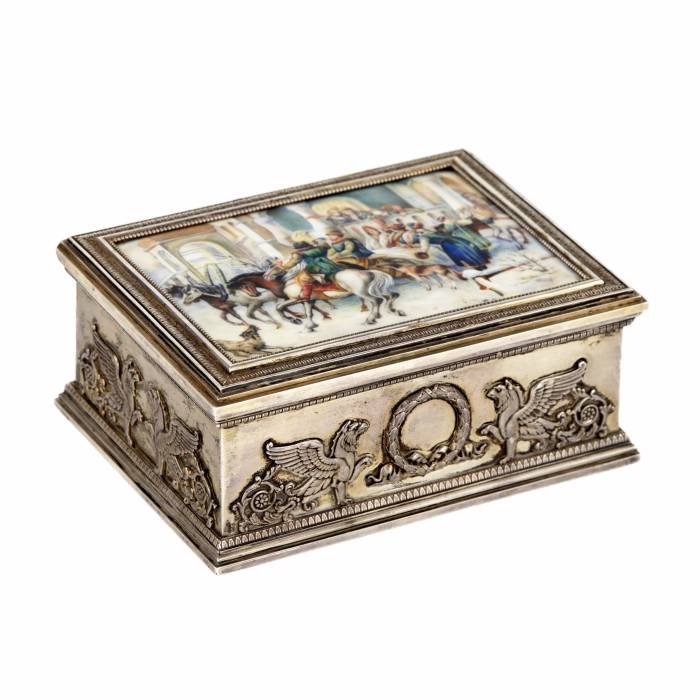
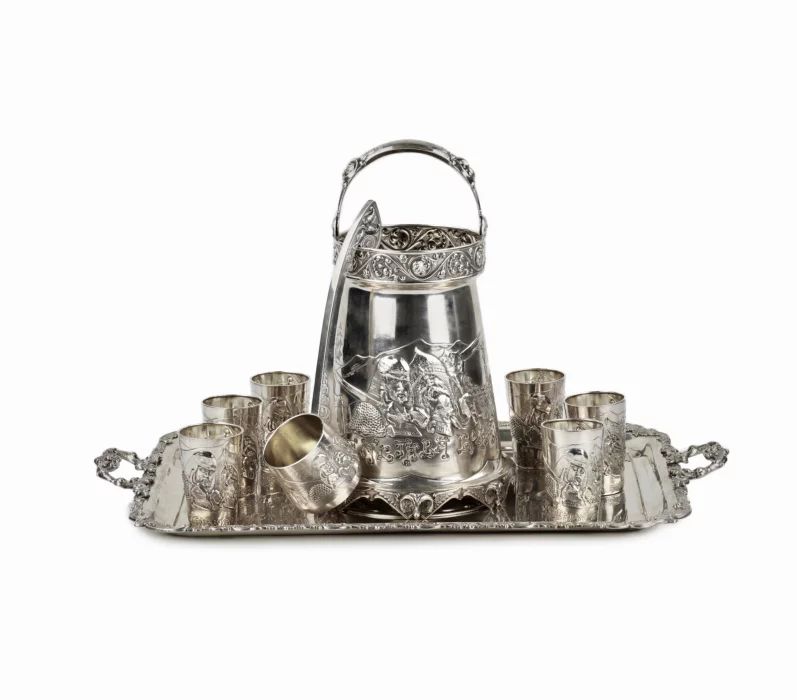
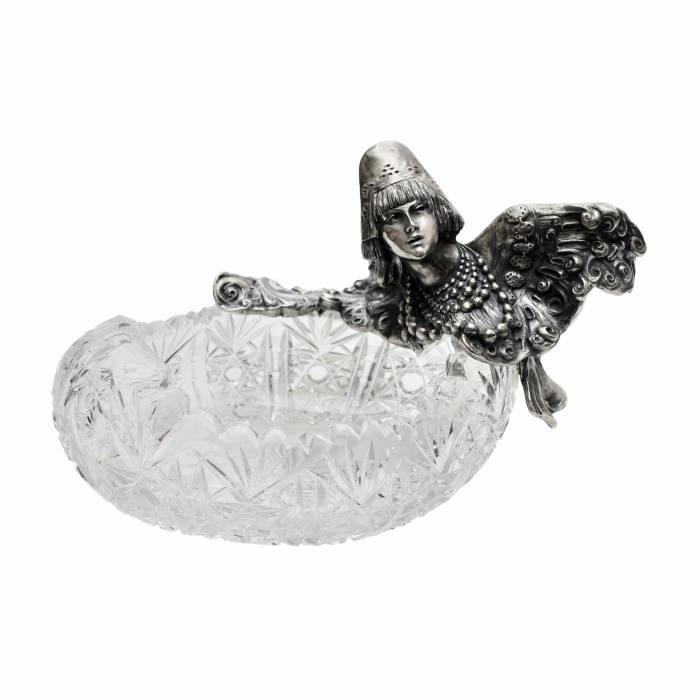
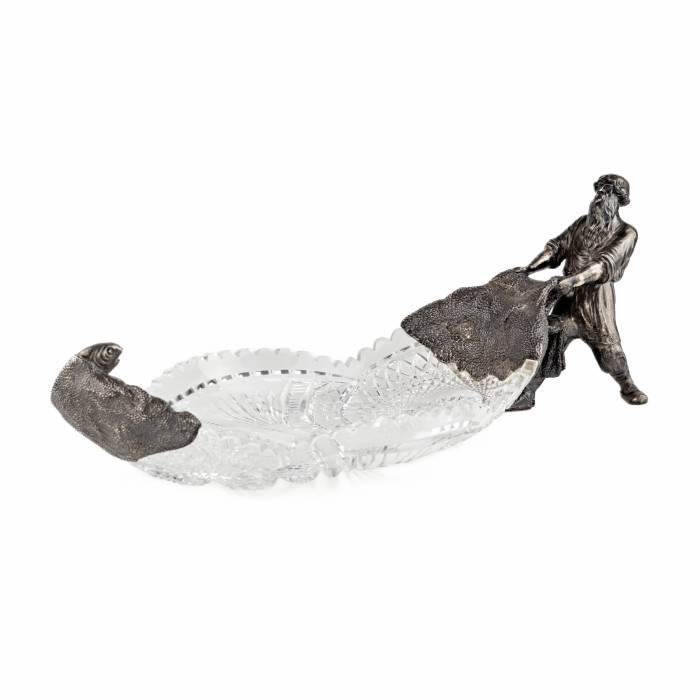
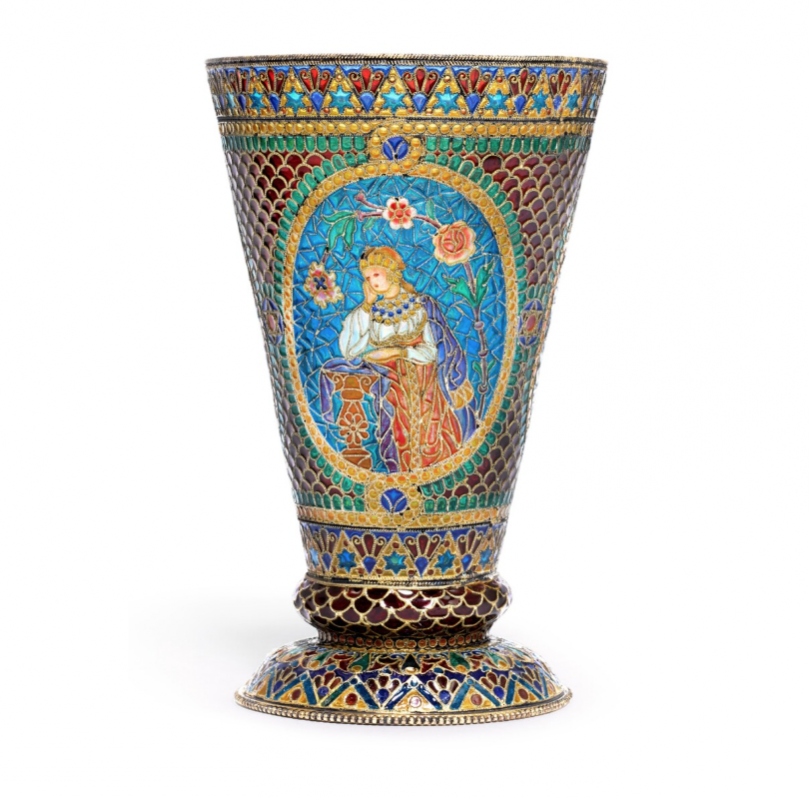
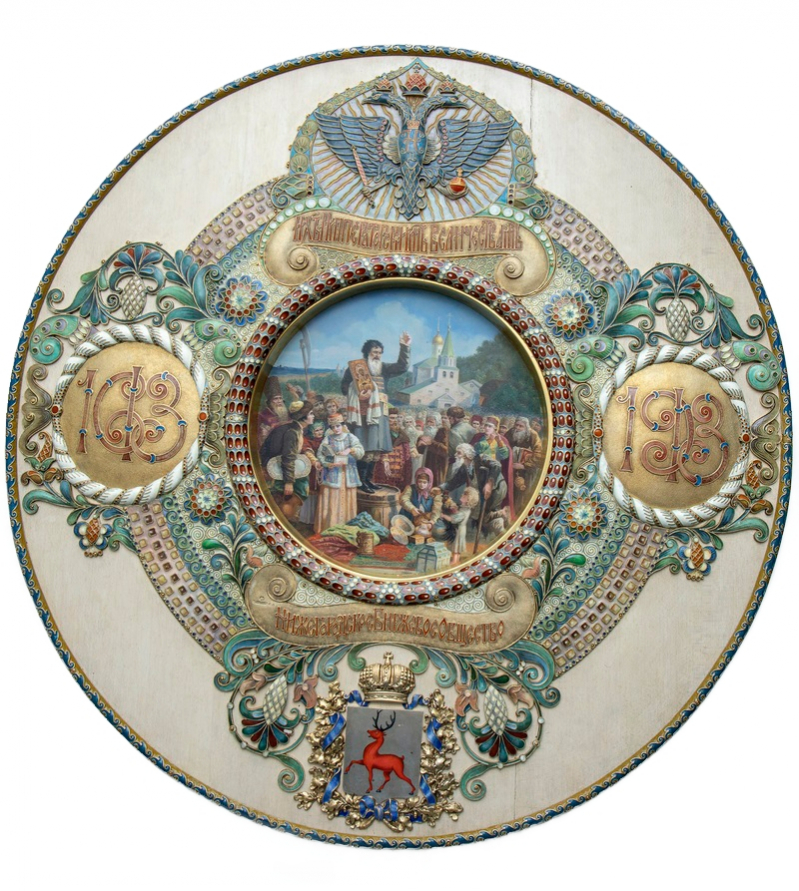
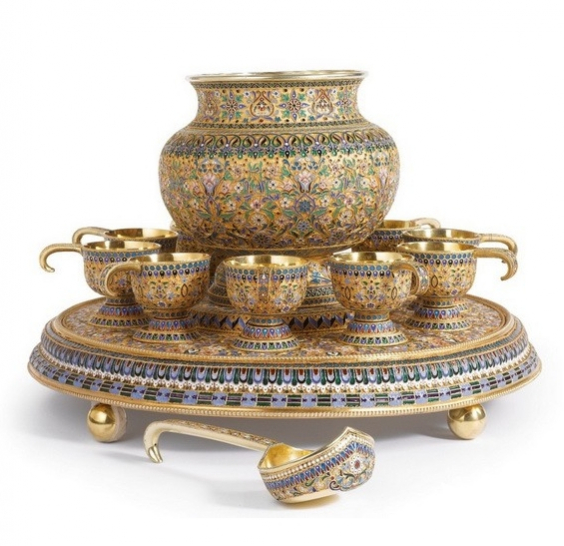
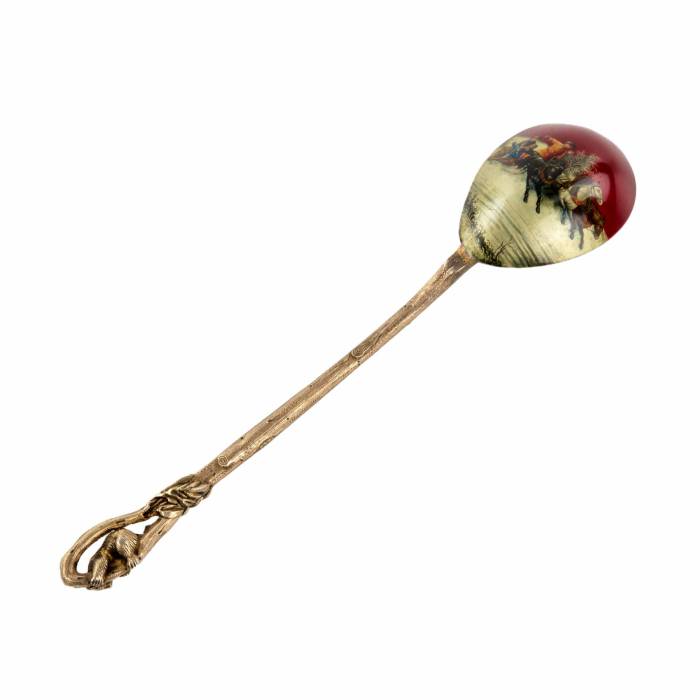
The Russian National Romanticism style is an artistic movement of the late 19th - early 20th century that emerged within the Russian Empire as a conscious search for a national artistic identity. It drew upon Old Russian art, folklore, mythology and historical memory, combining a romantic worldview with elements of Symbolism and Art Nouveau.
We will only share latest what our month on the RUSSIAN NATIONAL ROMANTICISM.
ORIGINS AND DEVELOPMENT
Russian National Romanticism developed amid a crisis of academic artistic systems and a growing interest in national history and culture. The intellectual climate of the late 19th century, the rise of Slavophile ideas, and renewed attention to pre-Petrine heritage formed the foundation of the movement. Artists and architects sought to reinterpret Old Russian forms, icon painting, chronicle traditions, and folk decorative arts through a modern artistic language. The style evolved alongside Russian Art Nouveau, often intersecting with it, and found expression in painting, architecture, theatrical design, and book illustration.
ARTISTIC CHARACTERISTICS
The style is defined by epic imagery, symbolic thinking, and an appeal to archaic visual forms. Compositions are often frontal or monumental, with a strong emphasis on decorative silhouette. The color palette is rich and saturated, dominated by deep ochres, blues, reds, and greens derived from icon painting traditions. Ornamental motifs, stylization inspired by Old Russian plasticity, and folkloric imagery play a central role. Materials and techniques emphasize craftsmanship and continuity with traditional artisanal culture.
NOTABLE SCHOOLS AND MOVEMENTS
Abramtsevo Circle – an artistic environment that fostered the synthesis of painting, architecture, and decorative arts.
Neo-Russian Style – an architectural movement reinterpreting forms of Old Russian architecture.
Symbolist Romanticism – a painterly direction combining national motifs with Symbolist philosophy.
Turn-of-the-Century Book Illustration – a field in which the national romantic visual language achieved particular expressiveness.
KEY ARTISTS AND WORKS
The movement established a visual canon of national myth, in which historical memory, legend, and symbol formed the basis of artistic expression, exerting a significant influence on the development of Russian art at the beginning of the 20th century.
VIKTOR VASNETSOV – Bogatyrs (1898)
MIKHAIL VRUBEL – The Seated Demon (1890)
IVAN BILIBIN – Illustrations for Russian fairy tales (1900–1910)
NIKOLAI ROERICH – Overseas Guests (1901)
INFLUENCE AND LEGACY
Russian National Romanticism profoundly influenced the formation of Russian Art Nouveau, theatrical scenography, book art, and early 20th-century architecture. Its ideas were absorbed by Symbolism and the avant-garde, particularly in the realm of myth-making and synthetic artistic thinking. In contemporary museum and scholarly discourse, the style is regarded as a key stage in the formation of national artistic consciousness and an integral part of the broader European Romantic movement at the turn of the century.