×
Create account and receive
15% DISCOUNT
your first acquisition
or
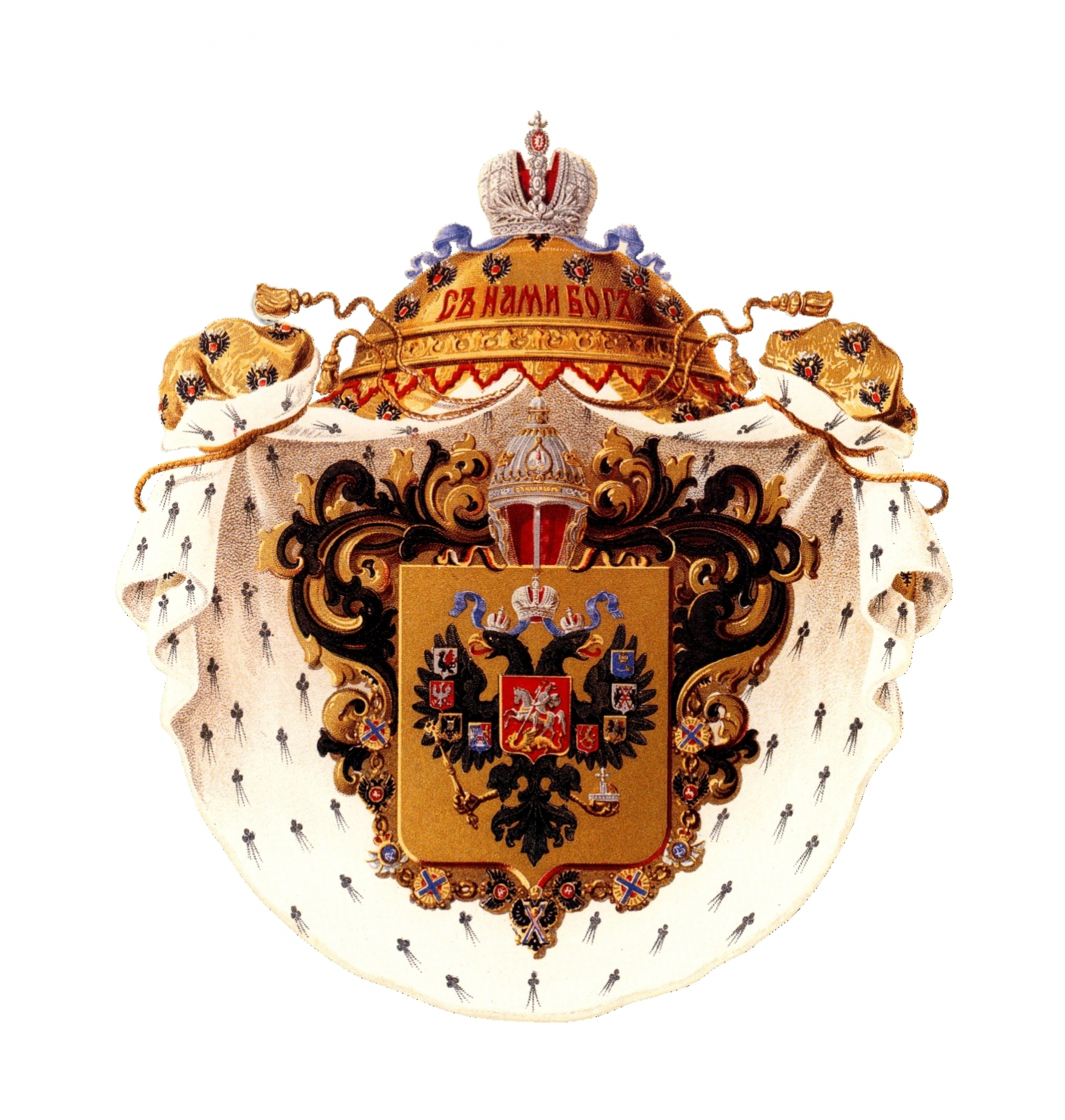
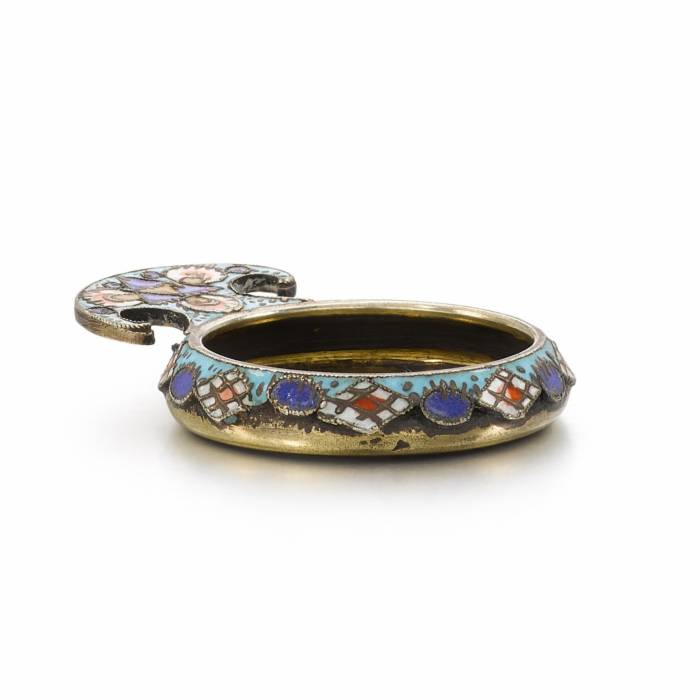
Feodor Ruckert was a Moscow-based jeweller and enameller of German origin, one of the leading masters of artistic enamel at the turn of the nineteenth and twentieth centuries. Founder of an independent workshop in Moscow, he closely collaborated with the firm of Fabergé. His works became benchmarks of the Moscow school of cloisonné and champlevé enamel in the era of Russian Art Nouveau and the Neo-Russian Style.
We will only share latest what our month on the FEODOR RUCKERT.
BIOGRAPHY
Feodor Andreyevich Ruckert was born in 1840, presumably into a family of craftsmen of German origin. From the mid-nineteenth century he worked in Moscow, progressing from a hired master to the owner of his own jewellery workshop. He specialised in artistic enamel on silver and gold. By the late nineteenth century, Ruckert had gained wide recognition within Moscow’s professional jewellery circles and among collectors.
CAREER MILESTONES
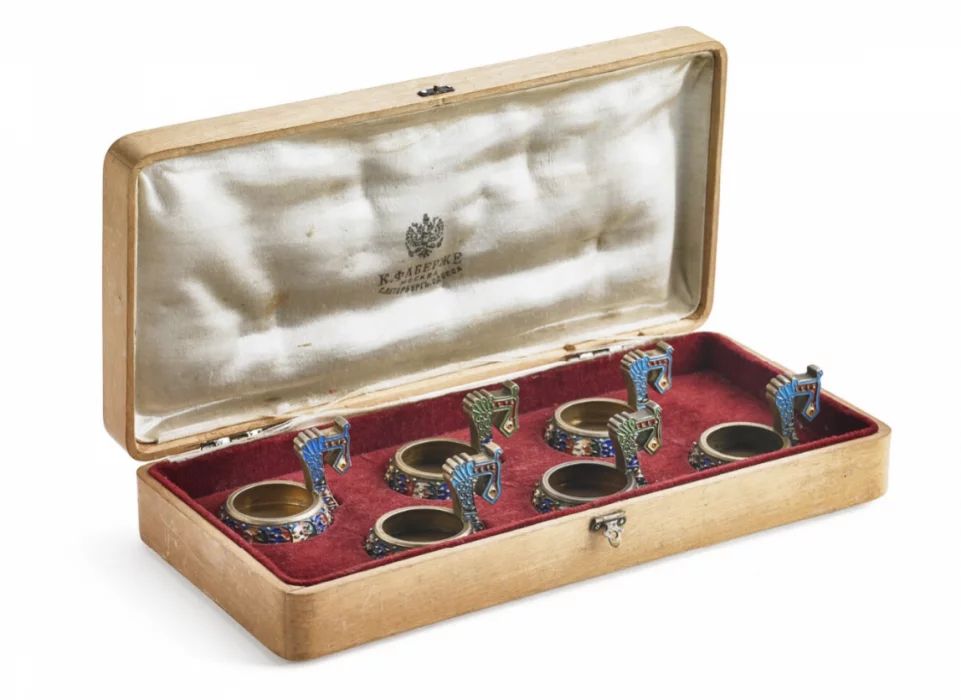
Ruckert’s early activity was rooted in the traditions of Moscow silverwork of the second half of the nineteenth century. During the 1880s and 1890s he developed a highly distinctive personal style, actively experimenting with cloisonné, stained-glass and champlevé enamels. At the turn of the twentieth century his workshop executed major commissions, including works produced for the firm of Fabergé and marketed under its name. After 1908, part of the workshop’s equipment and artistic legacy was transferred to artel production.
STYLE, TECHNIQUE AND ARTISTIC VISION
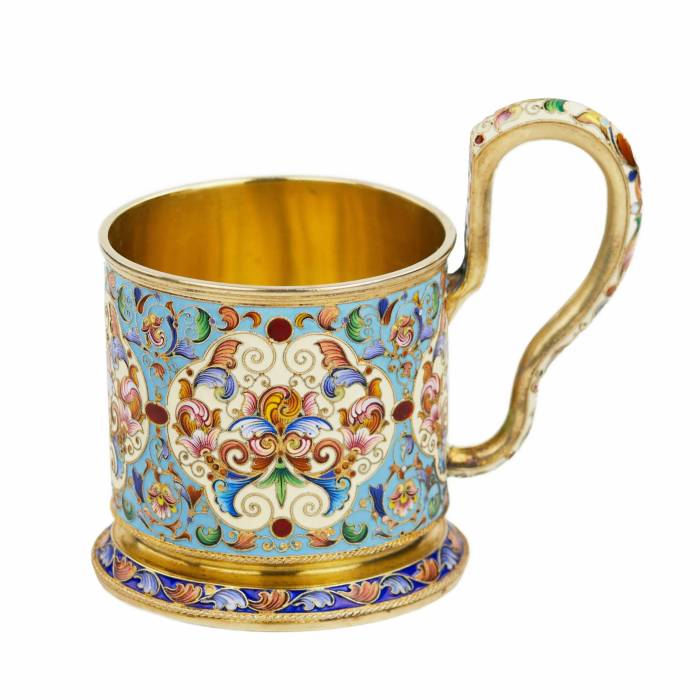
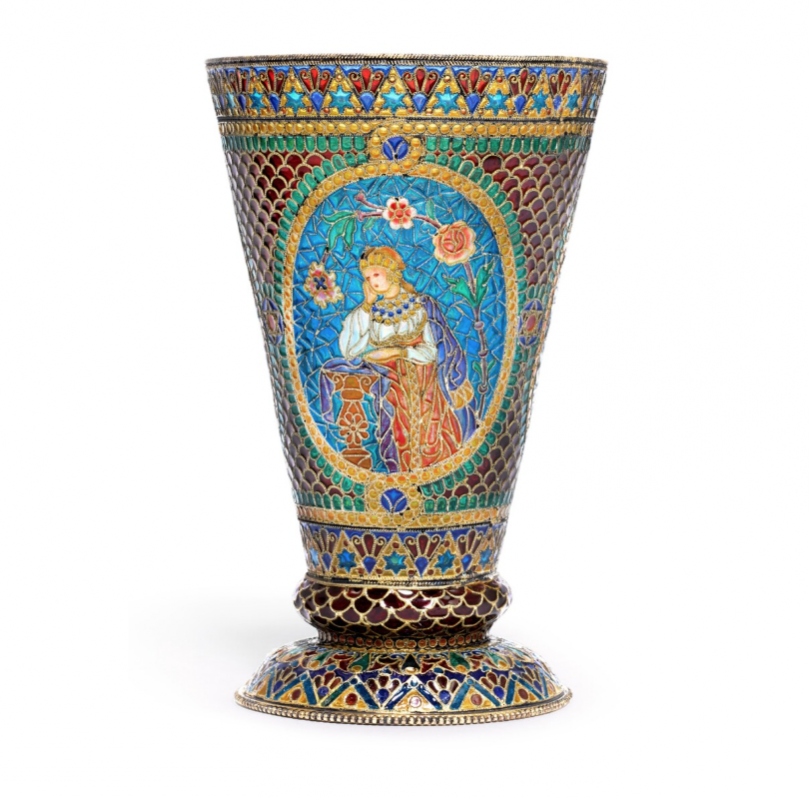
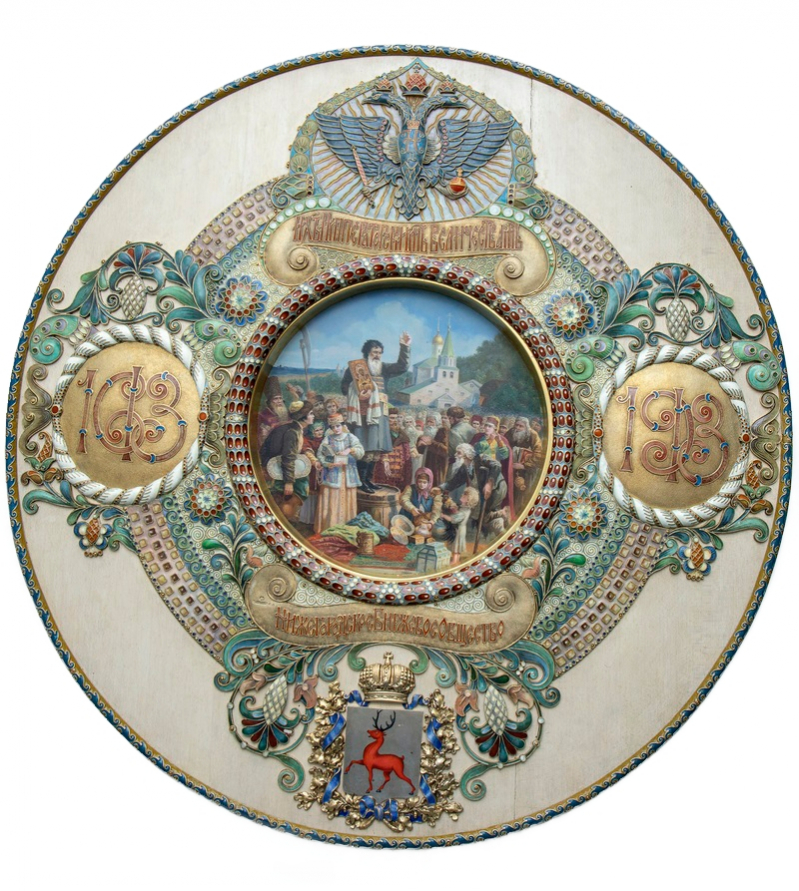
The work of Feodor Ruckert is closely associated with the development of Russian Art Nouveau and the Neo-Russian Style. He achieved exceptional mastery in cloisonné enamel, combining rich translucent colours with the refined graphic structure of silver wire partitions. His ornamentation draws upon Old Russian and folkloric motifs, stylised vegetal compositions and symbolic imagery. Hallmarks of his work include dense enamel surfaces, chromatic purity and complex ornamental rhythm.
LEGACY AND MASTERPIECES
Among Ruckert’s benchmark works are:
Silver tea glass holders with cloisonné enamel, Moscow, circa 1900.
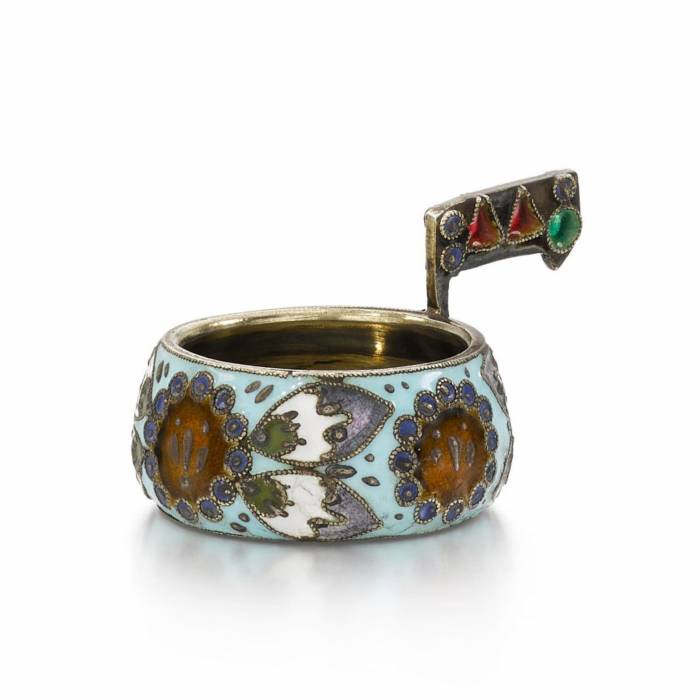
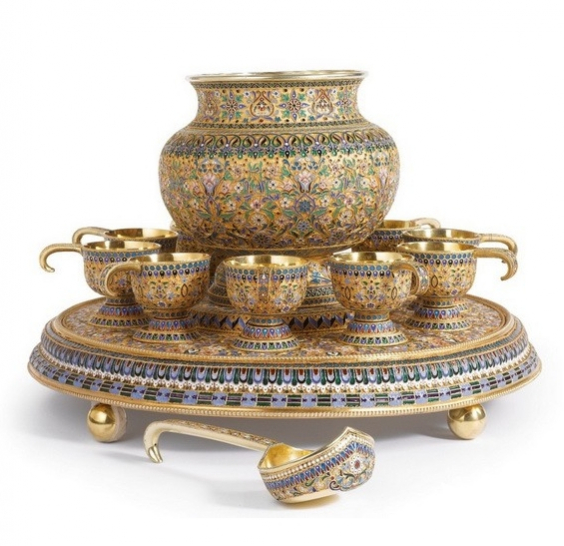
Enamelled cups and ladles, late nineteenth to early twentieth century.
Decorative vessels and caskets executed for the firm of Fabergé.
His works are preserved in the collections of the State Historical Museum, major Russian museums of decorative and applied arts, as well as in significant private collections in Europe and the United States.
MARKET ANALYSIS
Exceptional Works: Museum-level objects with documented collaboration with the firm of Fabergé occupy the upper segment of the market. The indicative price range is €300,000-800,000. Record sale: A cloisonné enamel tea glass holder, circa 1900, sold for over €700,000.
Rare Works: Authorial cups, ladles and decorative vessels displaying Ruckert’s characteristic enamel show sustained demand among collectors. Price range €80,000-250,000. Record sale: An enamelled cup, 1890s, €210,000.
Series Works: Standard workshop production and later artel-period works are generally valued between €15,000 and €70,000, depending on condition and enamel quality. Record sale: Tea glass holder, early twentieth century, €65,000.