Price:
5000 €
Add to cart

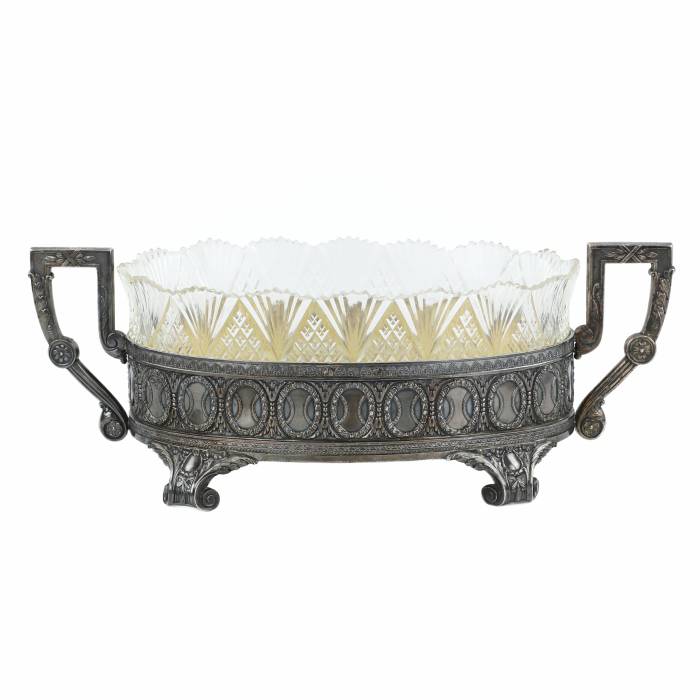
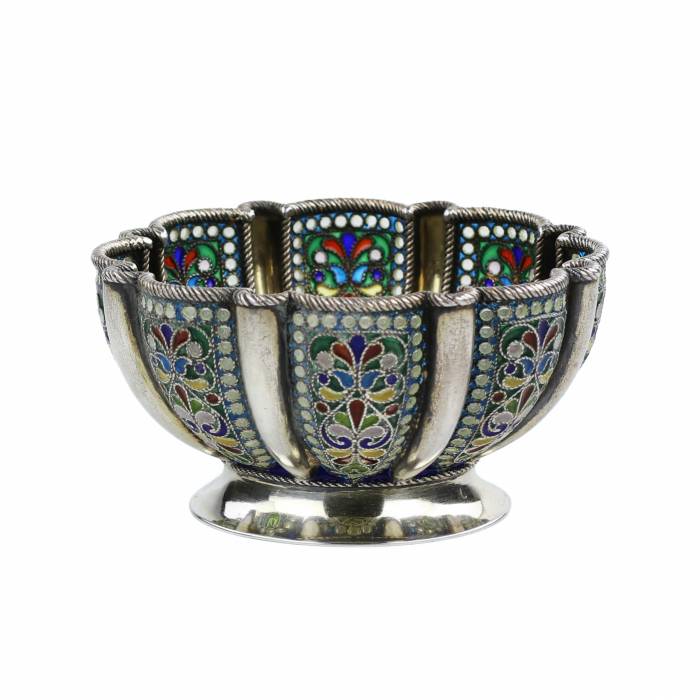
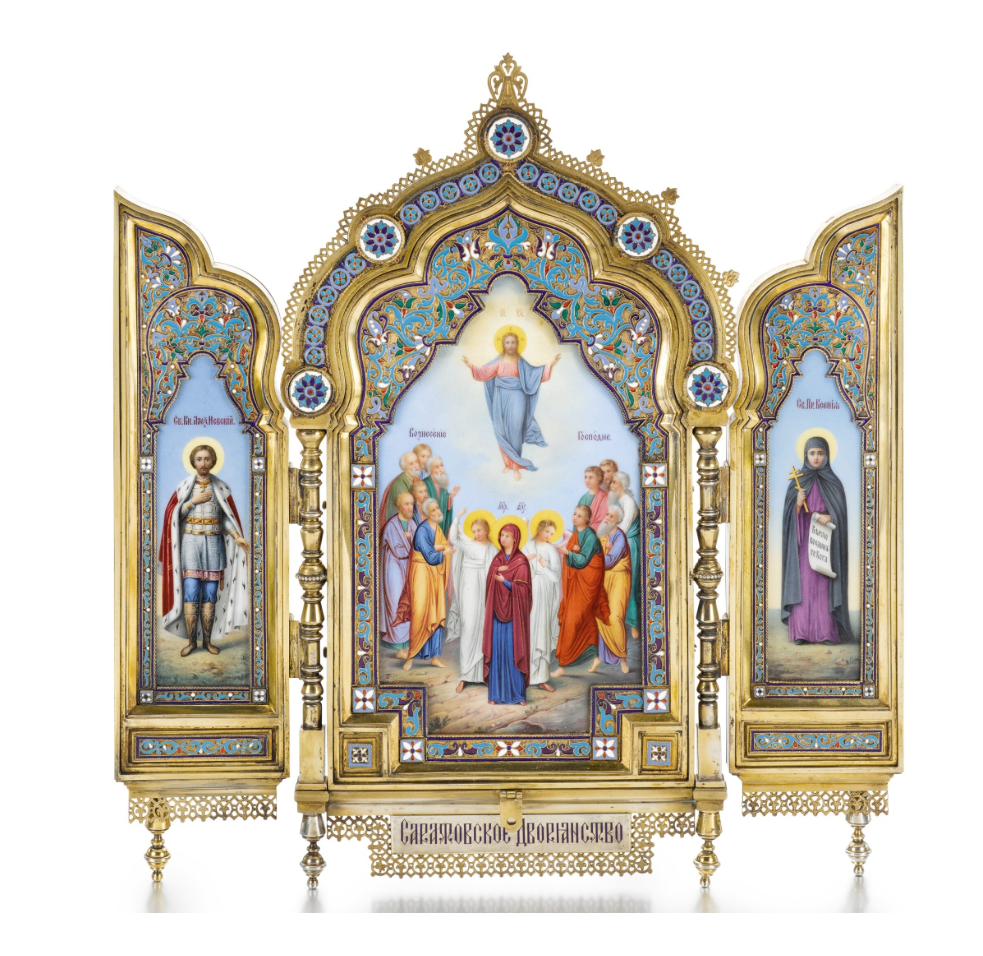
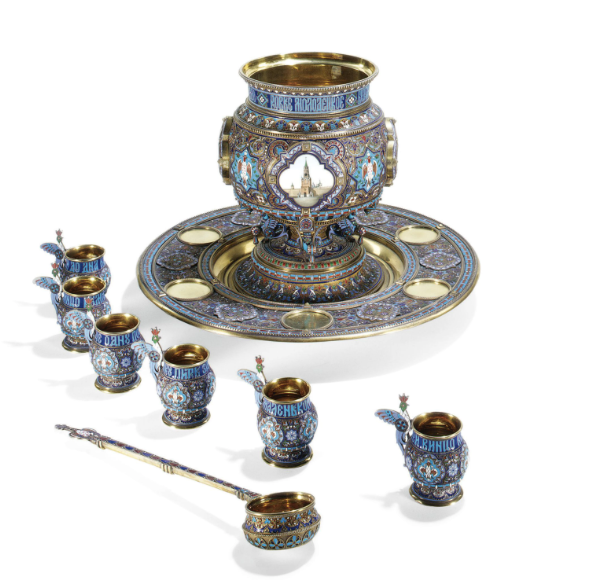
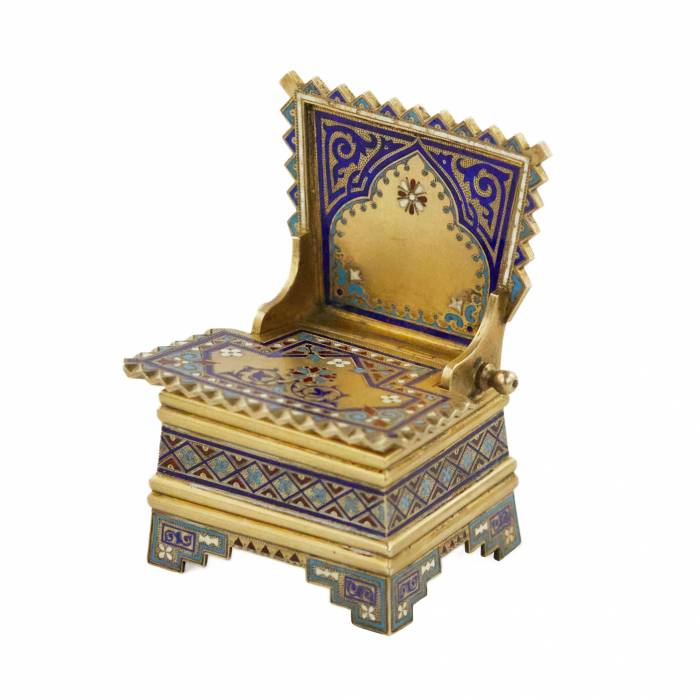
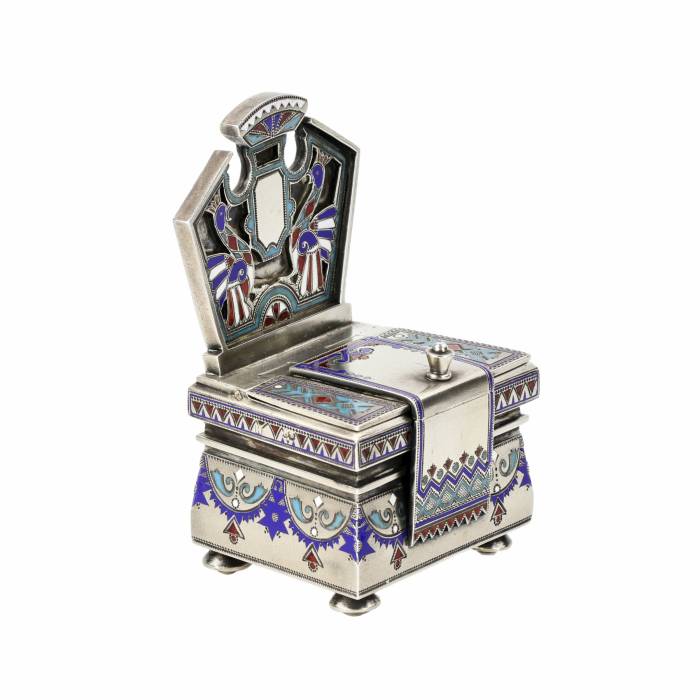
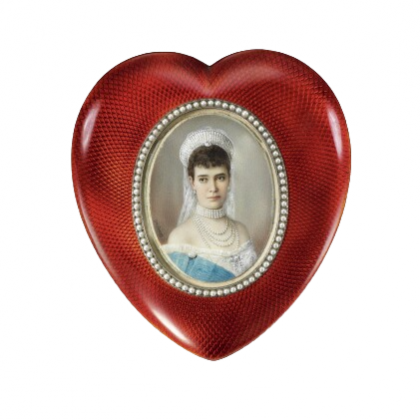
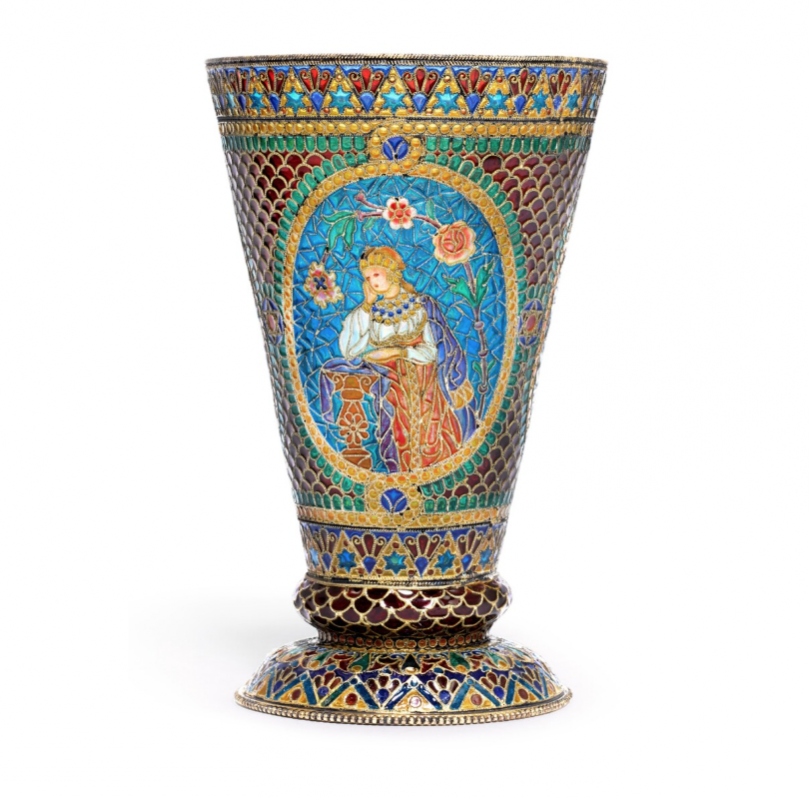
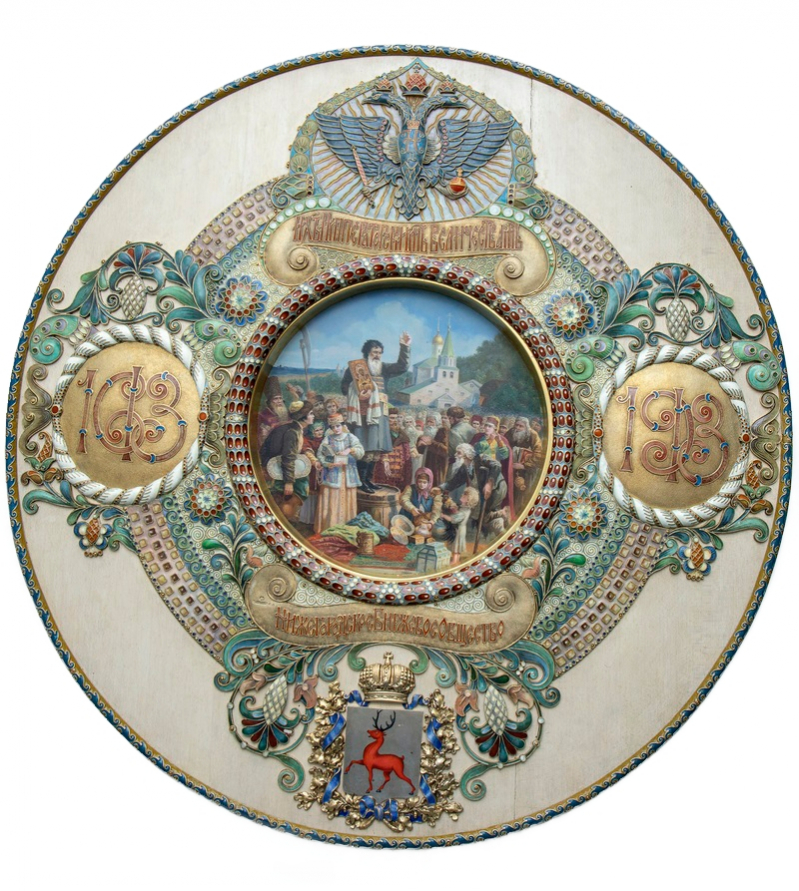
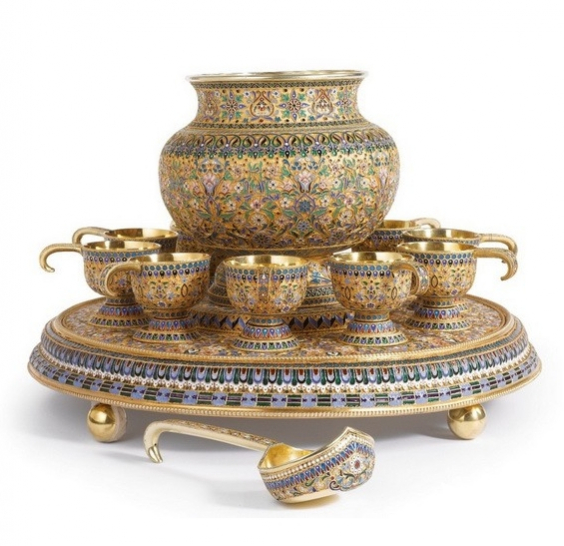
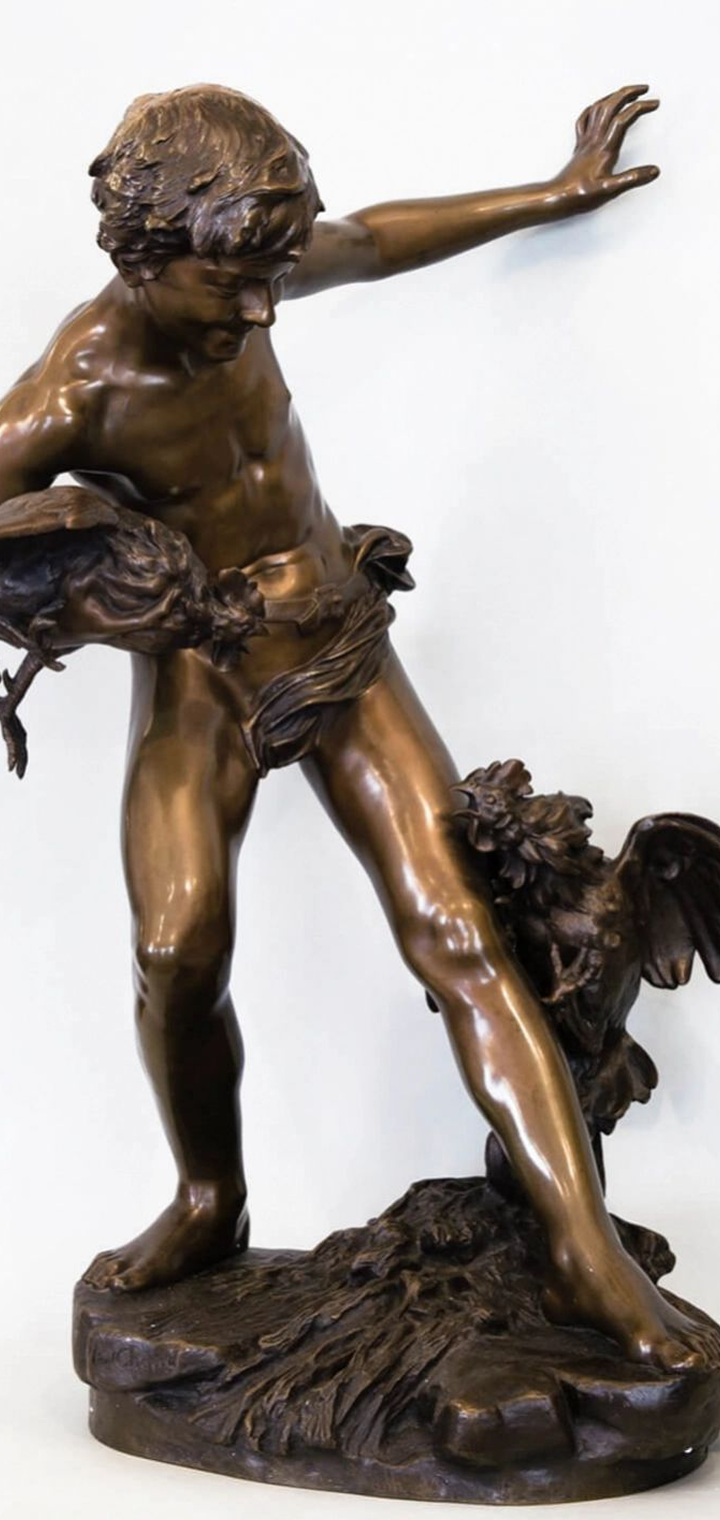
The Firm of I. P. Khlebnikov was one of the leading artistic and industrial houses of the Russian Empire in the late 19th and early 20th centuries. As Supplier to the Court of His Imperial Majesty, the company played a significant role in shaping the aesthetics of the Russian Revival style in silverwork. Its production was distinguished by a high technical standard, complex cloisonné enamel, and expressive sculptural forms that combined national traditions with academic refinement.
We will only share latest what our month on the FIRM OF I. P. KHLEBNIKOV.
HISTORY OF FOUNDATION AND DEVELOPMENT
The enterprise was founded in Moscow in 1867 by Ivan Petrovich Khlebnikov. In 1879, the firm was granted the title of Supplier to the Imperial Court, confirming its high artistic status and strong market position.
In the second half of the 19th century, production expanded significantly. The Moscow workshops became a major center of enameling and silver art, while the St Petersburg branch ensured the firm’s presence at the imperial capital. The company’s works were exhibited at All-Russian and International exhibitions, where they received awards for artistic integrity and technical excellence.
After the death of the founder, management passed to his heirs. The firm continued operating until 1917, when private artistic enterprises ceased to exist as a result of revolutionary transformations.
STYLE AND ARTISTIC DIRECTION
The principal artistic direction was the Russian Revival style, based on a reinterpretation of forms and ornamentation of 16th and 17th century Old Russian art.
Characteristic features of the works include:
The firm also worked in the styles of Historicism, Neo-Rococo, and Neoclassicism, demonstrating stylistic flexibility.
TYPOLOGY OF WORKS
The range included both utilitarian and ceremonial forms:
Large enamel works with developed sculptural structure and complex multicolored ornamentation are particularly valued.
LEGACY AND SIGNIFICANCE
The Firm of I. P. Khlebnikov occupies a key place in the history of Russian artistic silver. Its production established a recognizable visual canon of the Russian Revival style, becoming an important part of the cultural representation of the Russian Empire at the end of the 19th century.
The firm’s works are represented in museum collections and private collections and are regarded as examples of high artistic quality and technical mastery.