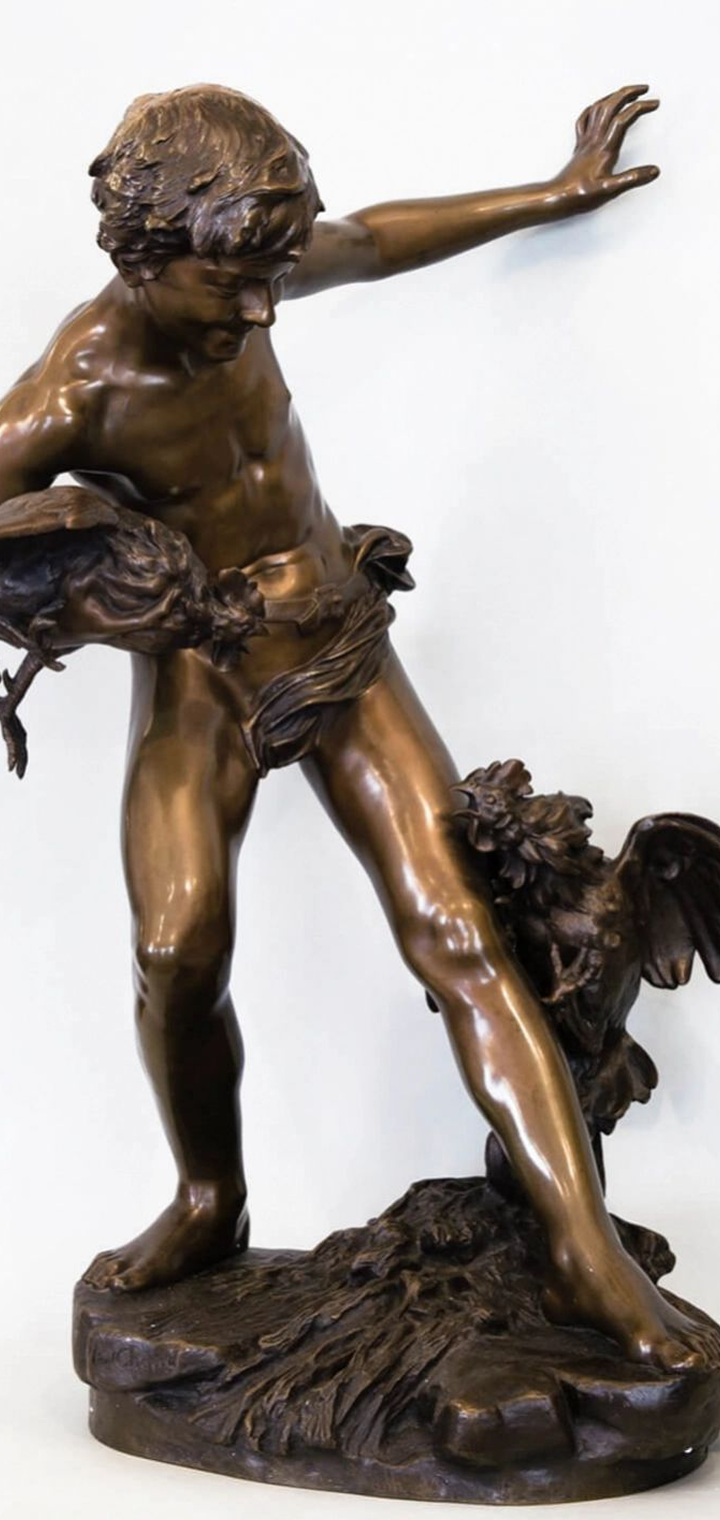
Price:
12500 €
Add to cart
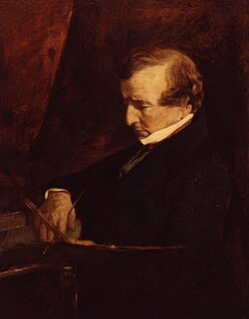
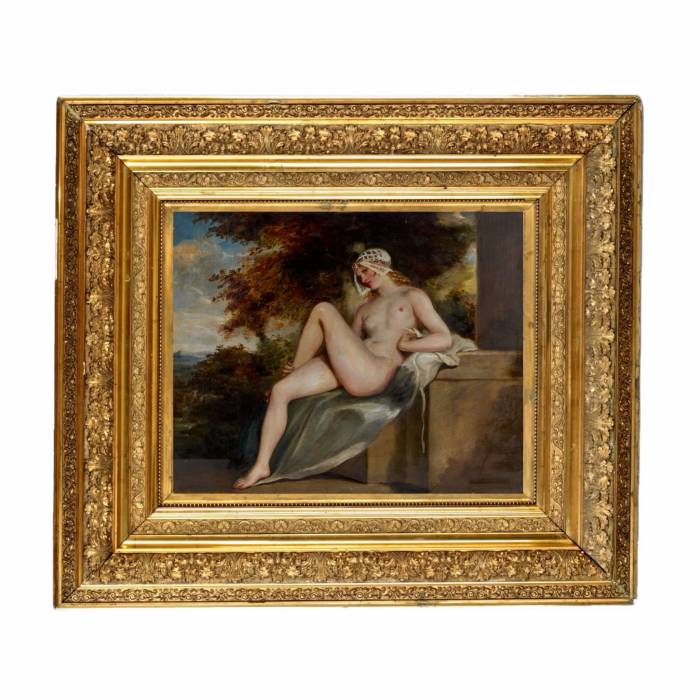
William Etty was an English painter of the Romantic period, one of the first British artists to systematically address the nude figure within a historical and allegorical context. An Academician of the Royal Academy of Arts, he played a significant role in fostering interest in the Venetian colouristic tradition in early nineteenth-century English painting.
We will only share latest what our month on the WILLIAM ETTY.
BIOGRAPHY
William Etty was born in 1787 in York. In 1807 he entered the Royal Academy Schools in London, where he studied under Sir Thomas Lawrence. His artistic development was profoundly influenced by the study of the Venetian School, in particular the works of Titian and Veronese, which he encountered during travels to Italy in the 1820s. In 1828 he was elected a full member of the Royal Academy. He died in 1849 in York.
CAREER MILESTONES
Etty’s early career was marked by a search for historical and biblical subjects; recognition came after the exhibition of Cleopatra’s Arrival in Cilicia in 1821. Throughout the 1820s and 1830s he regularly exhibited at the Royal Academy. Compositions based on classical, mythological and allegorical themes, articulated through the image of the nude, became central to his practice. In his later years he returned to York, where he worked on religious and moralising subjects.
STYLE, TECHNIQUE AND ARTISTIC VISION
Etty’s oeuvre belongs to English Romanticism, with a pronounced orientation towards the traditions of the Italian Renaissance and the Venetian School. His paintings are characterised by a rich colour palette, careful modelling of the human body through light and shade, and meticulous handling of painterly surface. He sought to confer academic legitimacy upon the nude by situating it within a historical or moral-allegorical framework. His technique is distinguished by a dense application of paint and the active use of colour as a structural element of composition.
LEGACY AND MASTERPIECES
Among his most notable works are The Combat: Woman Pleading for the Vanquished (1825, Tate Britain), Youth on the Prow, and Pleasure at the Helm (1832, Tate Britain), and The Sirens and Ulysses (1837, Manchester Art Gallery). Etty’s works are held in the collections of Tate Britain, York Art Gallery and other British museums. His contribution lies in establishing the genre of the historical nude within the nineteenth-century English school.