×

Create account and receive
15% DISCOUNT
your first acquisition
or

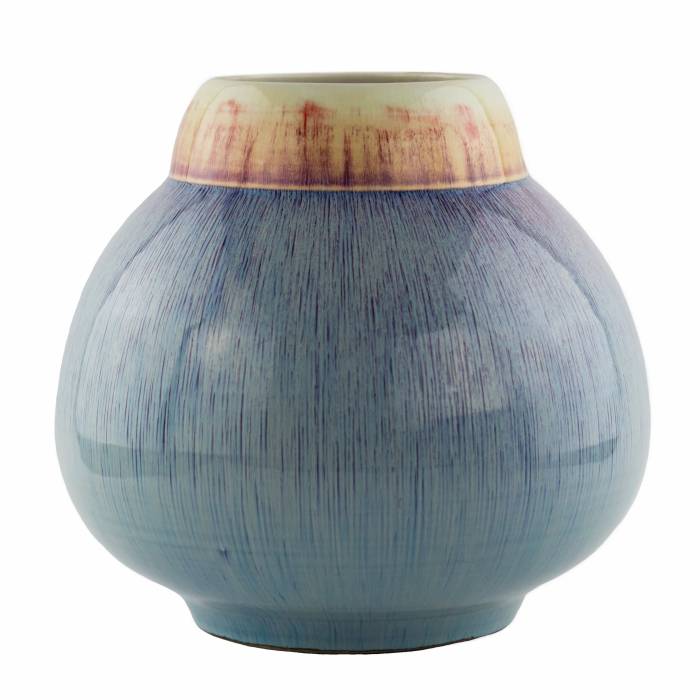
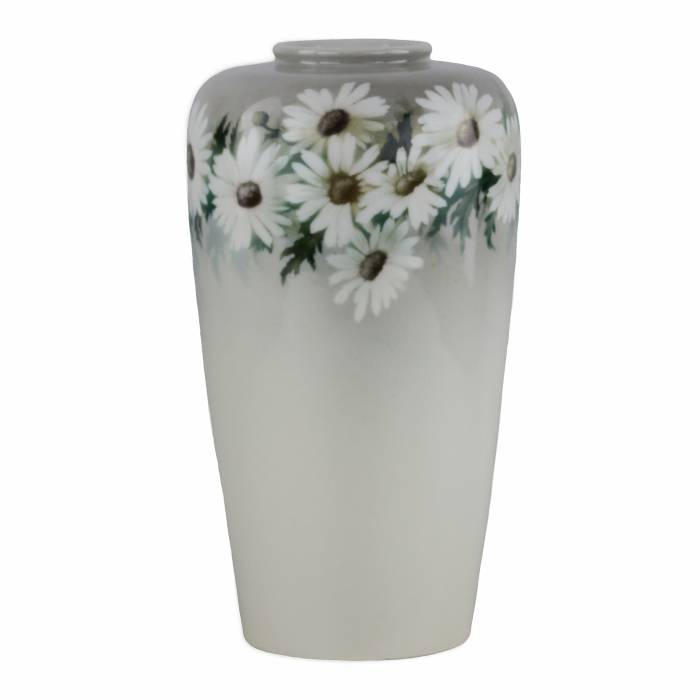
The Imperial Porcelain Factory is the oldest porcelain enterprise in Russia and the historical supplier to the Imperial Court. Founded in 1744 in Saint Petersburg, the factory established the benchmark of Russian artistic porcelain in the styles of Baroque, Classicism, Empire, Historicism, Art Nouveau and Soviet Avant-Garde. Its production is distinguished by the high quality of porcelain body, refined painterly decoration and complex technological culture.
We will only share latest what our month on the IMPERIAL PORCELAIN FACTORY.
FOUNDATION AND DEVELOPMENT
The Imperial Porcelain Factory was established in 1744 by decree of Empress Elizabeth Petrovna as a state manufactory intended to create an independent Russian production of hard-paste porcelain. Its foundation formed part of a broader policy of cultural and technological self-assertion of the Russian Empire.
A decisive role in the formation of the enterprise was played by Dmitry Ivanovich Vinogradov, who developed the formula of Russian hard-paste porcelain using domestic raw materials. His research ensured the strength, translucency and firing stability of the porcelain body, laying the foundation of a distinct Russian porcelain school.
From the mid-eighteenth century, the factory primarily fulfilled court commissions. It produced ceremonial services for imperial residences, diplomatic gifts, monumental vases and sculptural compositions. Porcelain served not only utilitarian purposes but also functioned as an instrument of state representation and court ceremony.
In 1765 the official name Imperial Porcelain Factory was закрепed. During the nineteenth century, the enterprise responded actively to stylistic changes, producing both grand ceremonial ensembles and refined cabinet pieces for private interiors.
After 1917 the factory was nationalised and renamed the State Porcelain Factory. In 1925 it received the name of Mikhail Lomonosov and became widely known as Lomonosov Porcelain Factory. In 2005 the historical name was restored.
ARTISTIC FEATURES AND STYLES
In the eighteenth century the artistic language of the factory developed within the framework of Baroque and Rococo, characterised by elaborate gilding and dynamic plasticity of form. By the end of the century Classicism emerged, marked by compositional clarity and references to Antiquity.
The Empire style strengthened monumentality and introduced imperial symbolism, military trophies, laurel wreaths and architectural severity of form. In the second half of the nineteenth century Historicism broadened the stylistic vocabulary, incorporating elements of Neo-Renaissance and Neo-Baroque.
Art Nouveau at the turn of the nineteenth and twentieth centuries brought fluid lines and organic ornament. In the 1920s porcelain became a space of artistic experimentation, giving rise to the phenomenon of avant-garde and propaganda porcelain.
TECHNIQUES AND MATERIALS
Production is based on hard-paste porcelain fired at high temperatures. Both underglaze and overglaze painting techniques are employed, often requiring multiple firings. Hand-applied gilding with gold leaf and platinum decoration play a significant role.
The factory developed refined sculptural modelling, ranging from cabinet figures to monumental decorative forms. Cobalt decoration became one of the enduring traditions and a recognisable feature of the Saint Petersburg porcelain school.
MARKS
In the pre-revolutionary period factory marks featured imperial symbolism, including the double-headed eagle and the initials of the reigning monarch.
During the Soviet period the factory used the abbreviations GFZ and later LFZ. Contemporary marks reflect the restoration of the historical brand.
Attribution requires correlation of the mark with form, decorative manner and technological characteristics of a specific period.
LEGACY AND MASTERPIECES
Arabesque Service. Imperial Porcelain Factory, 1784–1787. Model by Jean-Dominique Rachette. The State Hermitage Museum.
One of the largest ceremonial ensembles of the reign of Catherine II. The service comprises hundreds of pieces decorated with gilded arabesques, antique motifs and allegorical compositions. It is regarded as the pinnacle of Russian Classicism in porcelain of the eighteenth century.
Vase with Views of Saint Petersburg. Imperial Porcelain Factory, circa 1810–1815. Reign of Alexander I. The State Hermitage Museum.A monumental krater-shaped Empire vase featuring painterly panoramic views of the capital, executed in overglaze painting with rich gilding. It demonstrates the synthesis of painting and decorative art characteristic of the Saint Petersburg Empire style.
Plate “Long Live the Third International.” State Porcelain Factory, 1921. Painted by Sergei Chekhonin. The State Hermitage Museum.
An iconic work of early Soviet propaganda porcelain. It combines avant-garde graphic language with traditional porcelain technology, reflecting the new artistic paradigm of the twentieth century.
SIGNIFICANCE
The Imperial Porcelain Factory occupies a central position in the history of Russian decorative arts. Its production shaped the visual language of court culture, reflected stylistic transformations of several epochs and became part of major museum collections.
The legacy of the factory retains scholarly, artistic and cultural importance, confirming the continuity of the Russian porcelain tradition for more than two and a half centuries.