Price:
22500 €
Add to cart
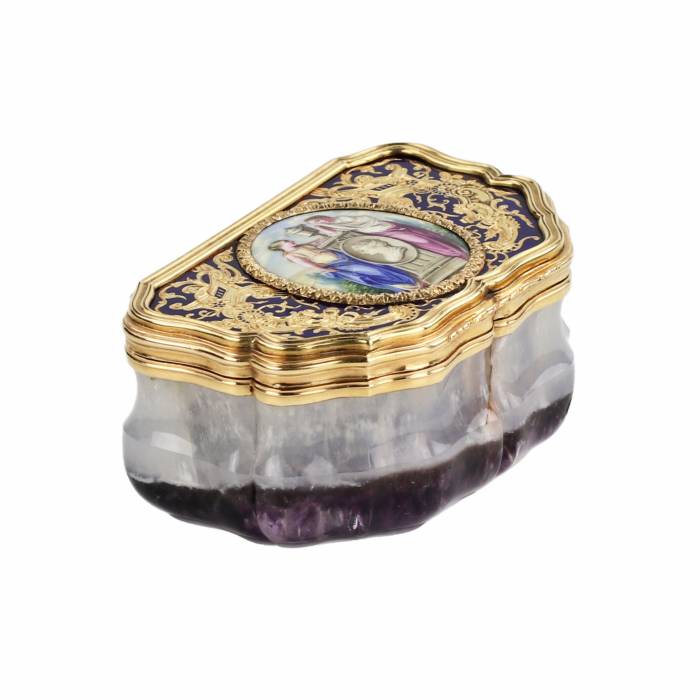

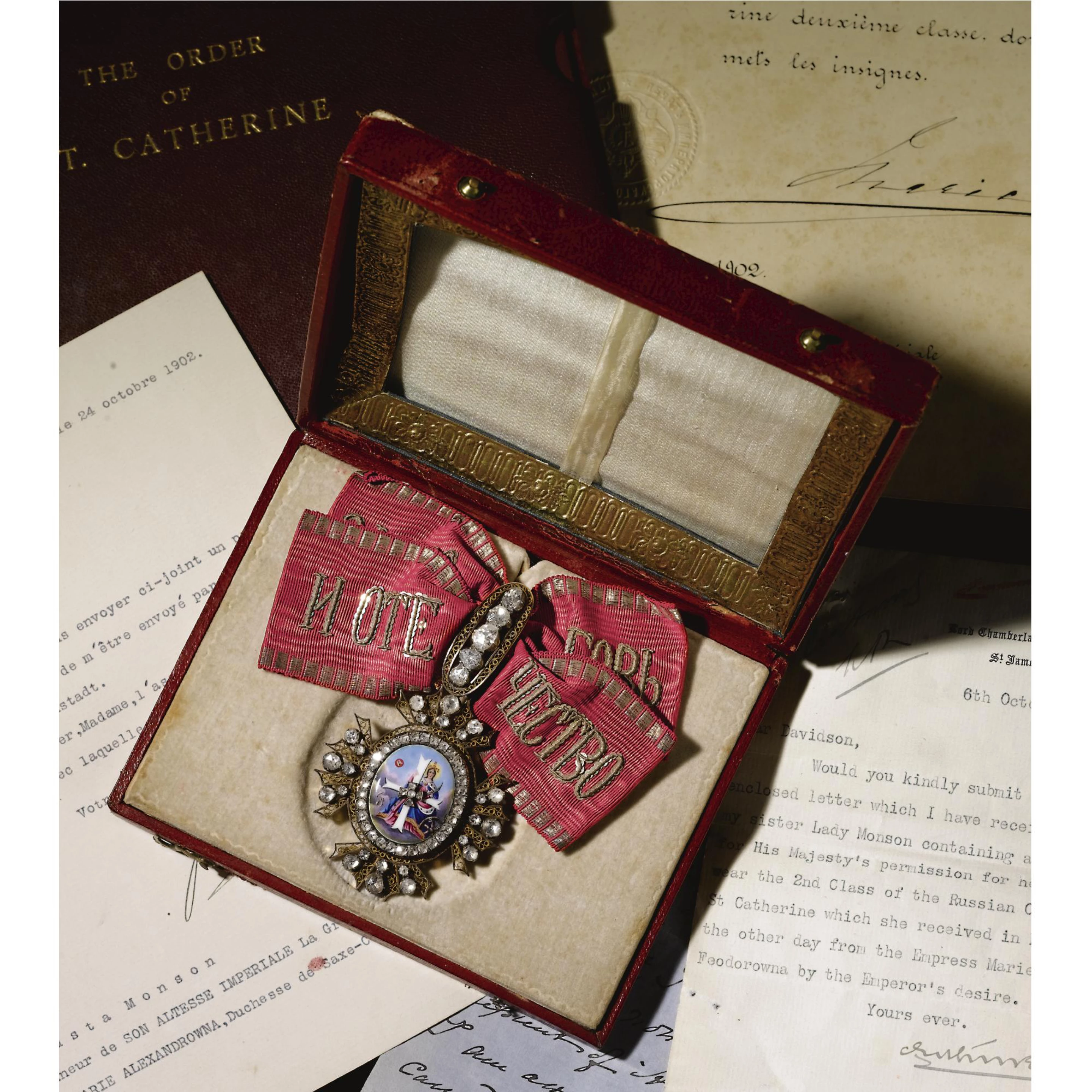
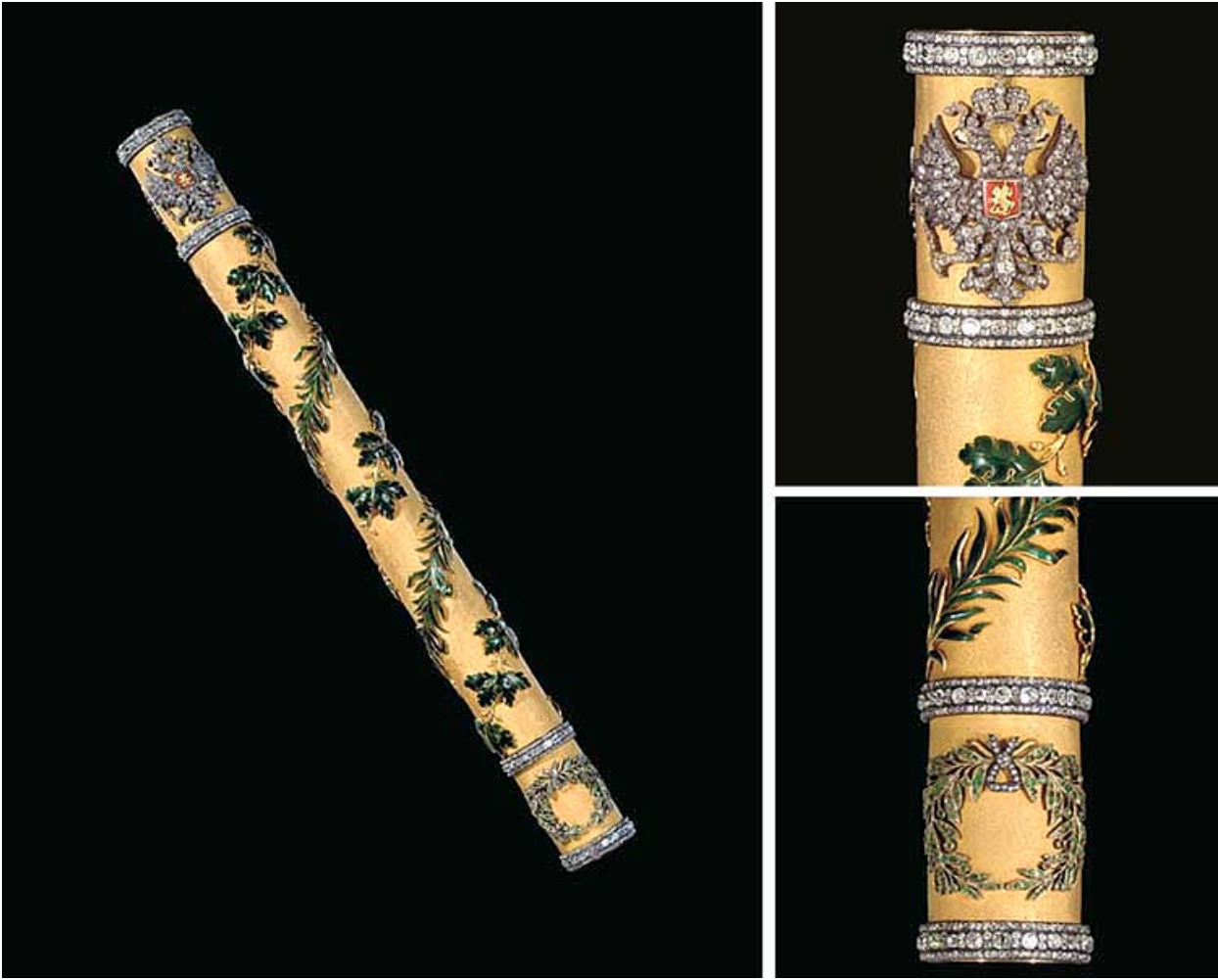
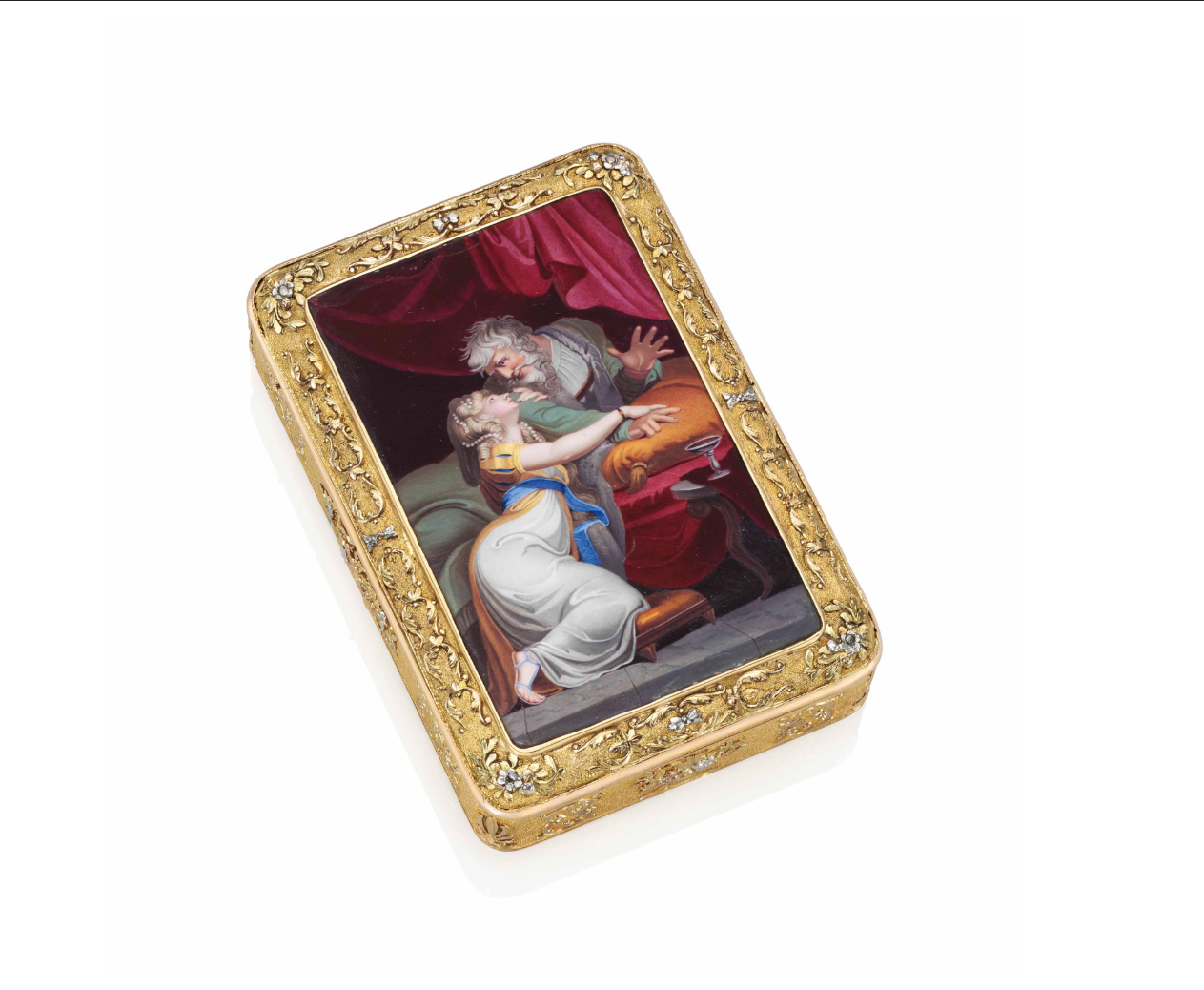
Johann Wilhelm Keibel was one of the leading St Petersburg jewellers of the first half of the nineteenth century and Court Goldsmith to the Imperial Court. As head of the dynastic Keibel firm, he established a high standard for the capital’s jewellery school, working with gold, silver, platinum and precious stones and executing commissions of the highest level.
We will only share latest what our month on the JOHANN WILHELM KEIBEL.
BIOGRAPHY
Johann Wilhelm Keibel was born on 30 May 1788 in Pasewalk. In 1797 he arrived in St Petersburg together with his father, Otto-Samuel Keibel, a jeweller and goldsmith of the Foreign Guild. His father quickly secured a strong professional position, achieved financial success and was elected guild elder, or alderman. Owing to his reputation, the family entered the circle of court commissions, including works for Grand Duchess Maria Feodorovna.
After the sudden death of his father on 15 April 1809, Johann Wilhelm, not yet holding the official status of master, continued production for two years, marking finished works with his father’s hallmark. In 1812 he obtained the status of jeweller and gold and silversmith of the St Petersburg Foreign Guild. He died in St Petersburg on 25 May 1862, five days before his seventy-fourth birthday.
CAREER STAGES
Having inherited the family workshop, located in a privately owned house in Gusev Lane, Johann Wilhelm Keibel quickly established himself as a master of the highest professional level. His career began during the reign of Alexander I and reached its peak under Nicholas I. From 1825 to 1828 he held the elected positions of assistant guild elder and subsequently guild elder, reflecting his high standing within the professional community.
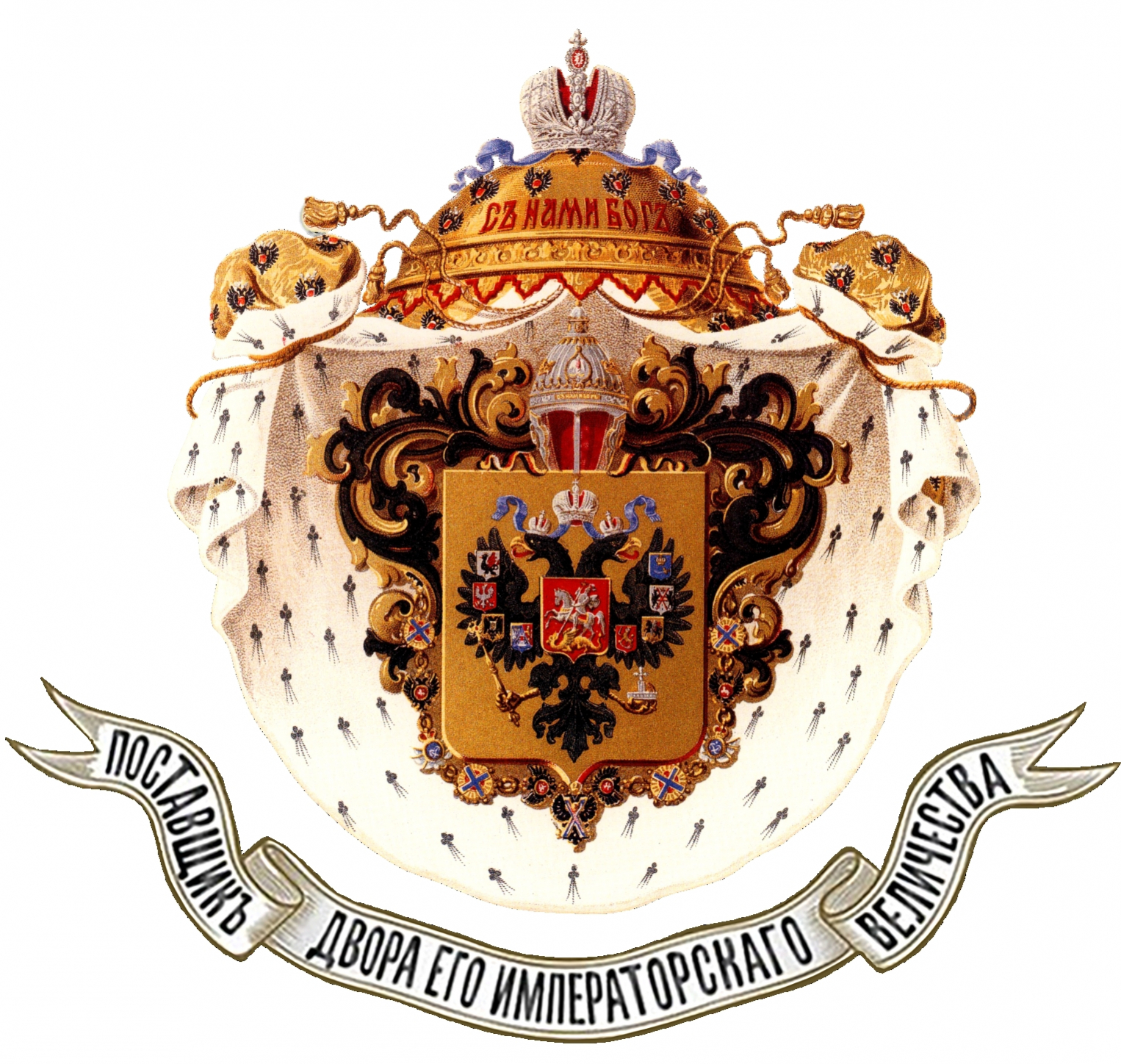
On 31 March 1841 Keibel was granted the title of Court Goldsmith with the right to display the State Coat of Arms on his signage and works. In 1859 he was awarded the Order of St Stanislaus, 3rd Class, and received the status of hereditary honorary citizen, passed on to his descendants.
THE KEIBEL FIRM
The Keibel jewellery firm developed from the family workshop founded by Otto-Samuel Keibel in the late eighteenth century and inherited by Johann Wilhelm Keibel. Under his leadership, the enterprise became one of the most authoritative jewellery houses in St Petersburg during the first half of the nineteenth century. The firm specialised in court commissions, ceremonial regalia, jewellery, silver and gold tableware, as well as works incorporating precious stones and platinum. After Johann Wilhelm Keibel’s death in 1862, his descendants successfully continued the business, transforming the workshop into a factory that remained active until 1910.
STYLE, TECHNIQUE AND DIRECTION
Keibel worked with gold, silver, platinum and precious stones, mastering techniques of casting, chasing, engraving, stone setting and fire gilding. His works are characterised by clear architectural forms, precise proportions and an exceptionally high level of finish, corresponding to the aesthetics of Late Classicism and Early Historicism. He produced both imperial regalia and ceremonial as well as representative jewellery and silver objects.
LEGACY AND MASTERPIECES
Key works by Johann Wilhelm Keibel and the Keibel firm include:
The Small Imperial Crown made in 1826 for the coronation of Empress Alexandra Feodorovna;
The Funeral Imperial Crown of Nicholas I, created in 1855;
Jewellery and silver works of the 1820s-1850s, including snuffboxes, ceremonial objects and ornaments bearing the personal hallmark of the master and the Keibel firm marks.