×
Create account and receive
15% DISCOUNT
your first acquisition
or
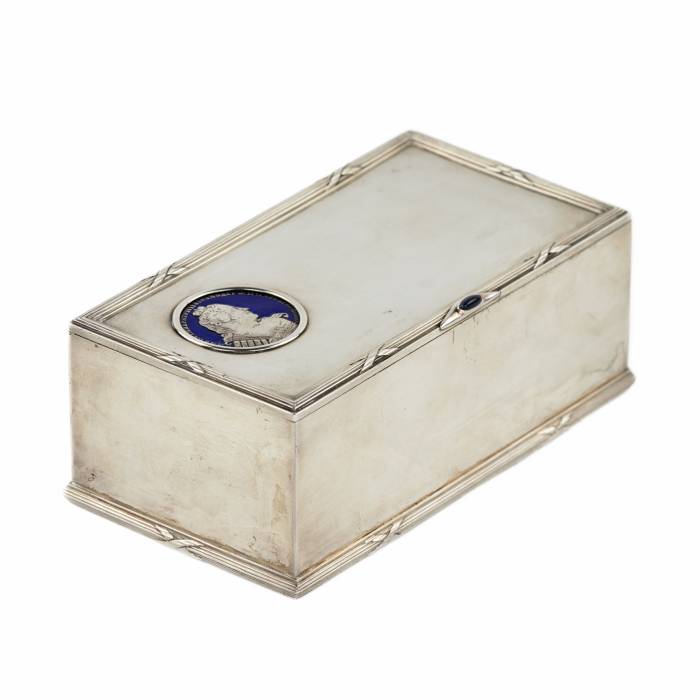
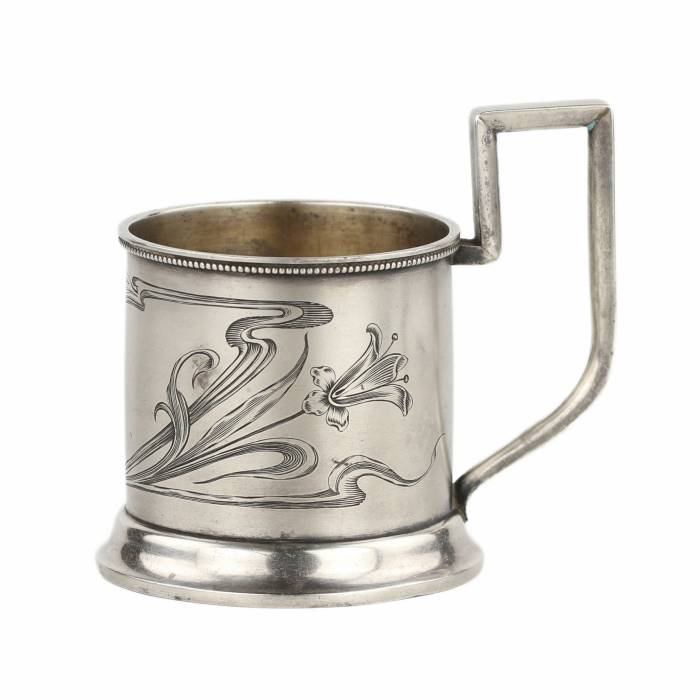
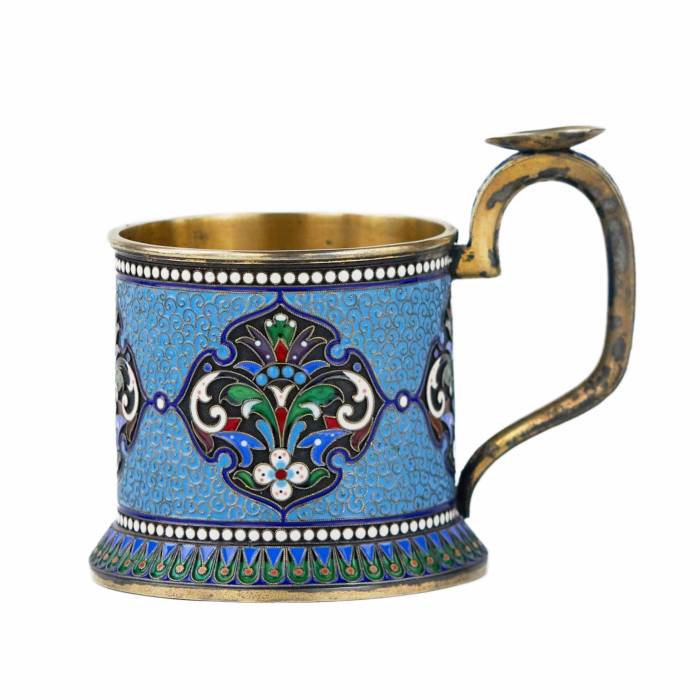
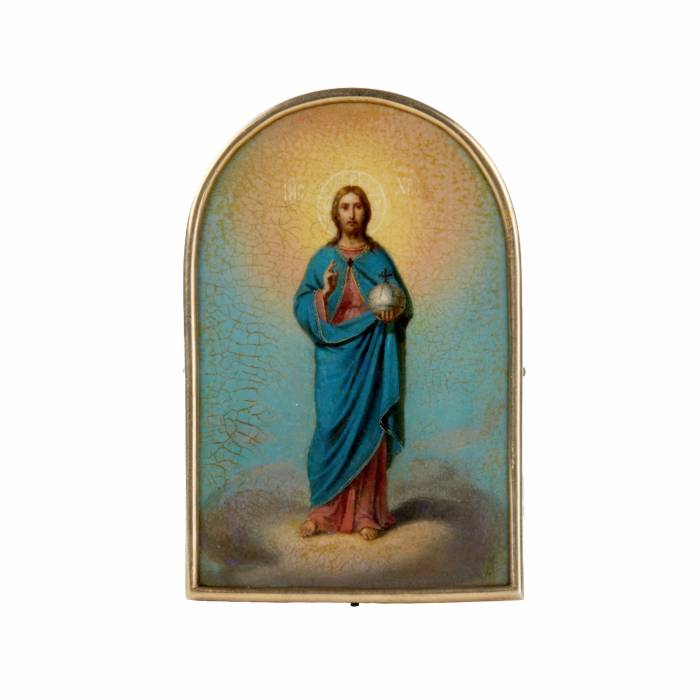
The Factory of Alexander Lubavin was a Russian silver and jewellery enterprise founded in 1853 in Saint Petersburg. The workshop specialised in artistic silverware, including ceremonial and regimental pieces, and from 1900 held the official title of Supplier to the Imperial Family.
We will only share latest what our month on the FACTORY OF ALEXANDER LUBAVIN.
HISTORY AND DEVELOPMENT
The history of the Lubavin family enterprise dates back to 1853, when Alexander Lubavin, with the support of his mother, began trading silverware in the silver arcades of Saint Petersburg while simultaneously producing his own works. The early workshop was located on Malaya Meshchanskaya Street, and a retail salon was opened at 31 Nevsky Prospekt, a prime commercial location that ensured steady growth and a broad clientele.
In 1893, Alexander Benediktovich Lubavin acquired the Henriksen factory in Grafsky Lane, a well-established enterprise known for regularly supplying the Imperial Court and executing commissions for the Anichkov Palace. This acquisition significantly strengthened the production capacity and artistic standing of the Lubavin factory.
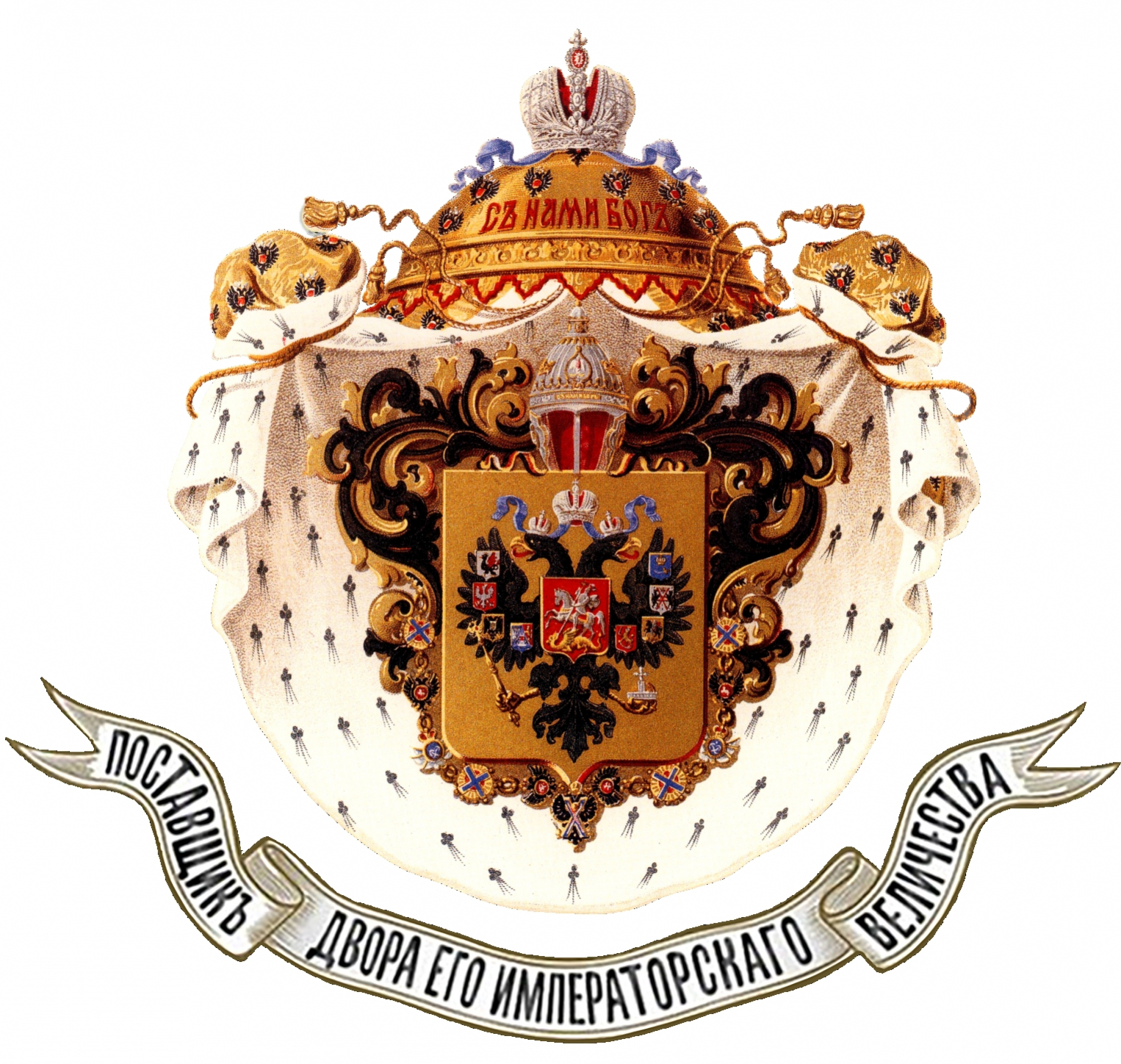
In 1896, the firm’s works were exhibited at the Nizhny Novgorod Industrial and Art Exhibition, where they received professional recognition. In 1900, the enterprise was granted the right to use the State Coat of Arms and was awarded the official title of Supplier to the Imperial Family. From 1905, the business was continued with equal success by the founder’s son, Nikolai Alexandrovich Lubavin. At its peak, the factory employed up to 76 craftsmen and workers. The activities of the enterprise came to an end in 1917.
TITLES, AWARDS AND COMMISSIONS
From 1900, the Factory of Alexander Lubavin held the official status of Supplier to the Imperial Family and the right to display the State Coat of Arms. The firm executed commissions for court and military circles and produced commemorative and award pieces for Guards regiments.
ARTISTIC SPECIFICITY AND TECHNIQUES
The factory specialised in silver objects of ceremonial and memorial character. A distinctive place in its production was occupied by regimental cups fashioned in the form of military headgear, including cuirassier helmets and the shakos of infantry and hussar regiments. These objects formed part of Guards regimental ritual culture and were used in ceremonial and convivial contexts, as well as awarded as commemorative and honorary tokens.The works are characterised by a high degree of plastic modelling, precise rendering of military details, carefully calculated capacity of forms, and originality of artistic solutions. Traditional silversmithing techniques were employed, including chasing, casting, engraving, and gilding, consistent with the standards of leading Russian workshops of the late nineteenth and early twentieth centuries.
LEGACY AND MASTERPIECES
The works of the Factory of Alexander Lubavin are represented in museum and private collections as characteristic examples of Imperial-period Russian silver. Regimental cups in the form of military headgear are regarded as the most recognisable and significant contribution of the enterprise to the history of Russian decorative and applied arts.
MARKET ANALYSIS
Exceptional Works: Ceremonial and regimental pieces of complex form created for military and court commissions. Indicative price range €150,000–300,000.
Rare Works: Silver regimental cups and commemorative objects with refined modelling and good preservation. Indicative price range €40,000–100,000.
Series Works: Standard silver objects of factory production. Indicative price range €8,000–30,000.