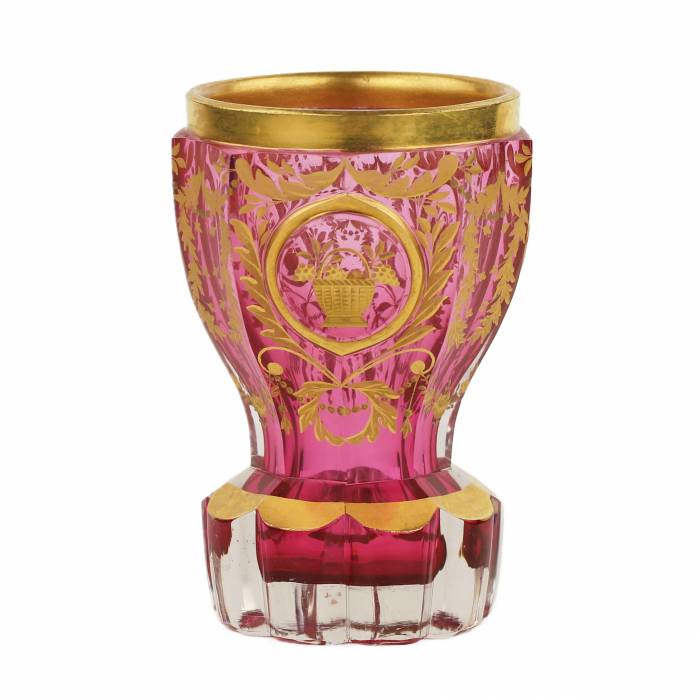
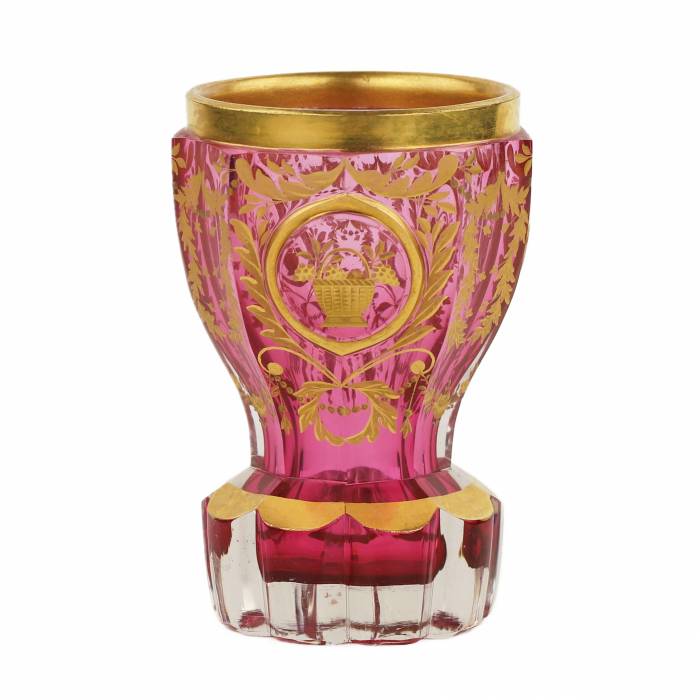
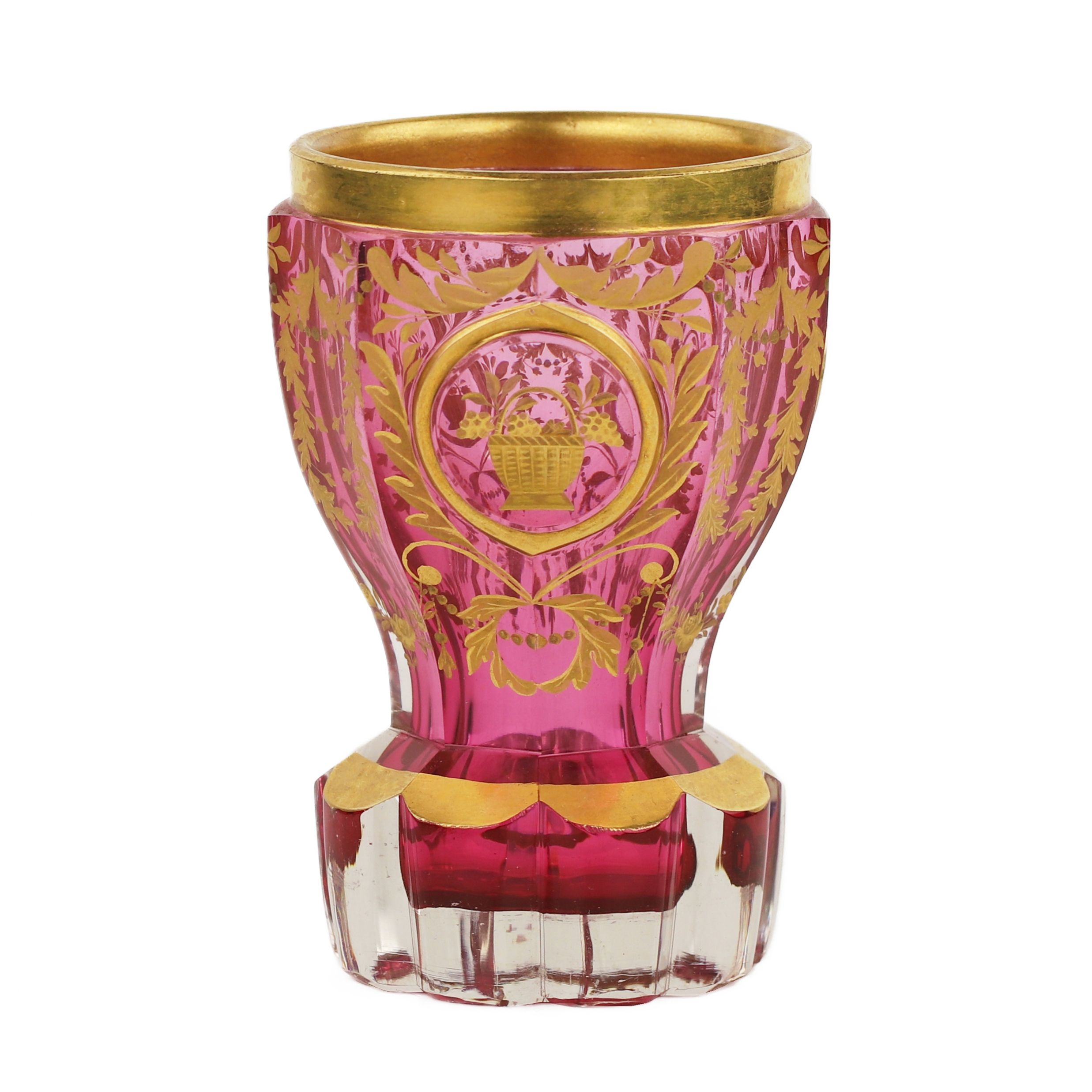
Vase en rubis doré avec ornement en or. Maison impériale de verre, Russie, années 1830-1840

Vase en rubis doré avec ornement en or. Maison impériale de verre, Russie, années 1830-1840

ID-ANTQ-12250
Live auction begins in:
| April 3, 2026 5:52 AM GMT+03:00
Estimé
1500 - 2000 EUR
Current Bid
EUR
 
0 Bids
Register for bidding
Request more info
Use our cost calculator

Discover how the value of similar works has evolved over the past 10 years. Art is not only beauty — it's an investment.

Price History

Discover how the value of similar works has evolved over the past 10 years. Art is not only beauty — it's an investment.

Request a Shipping Quote
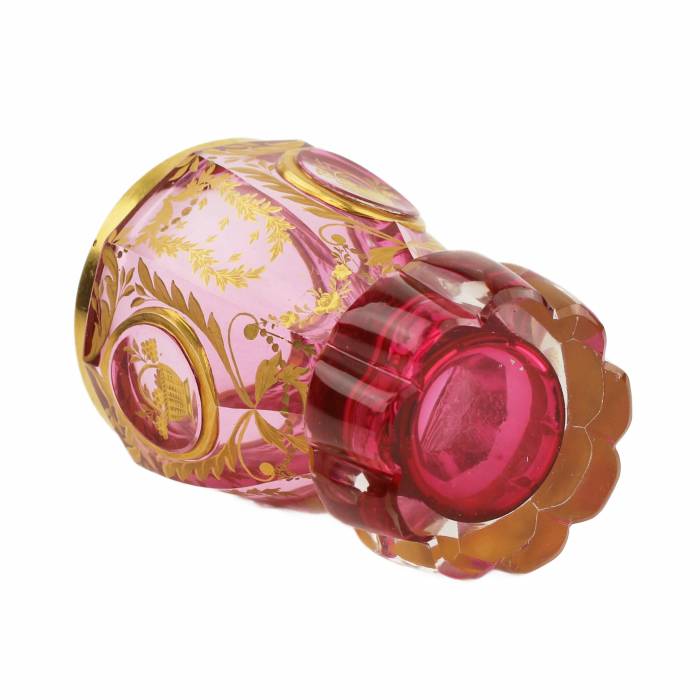
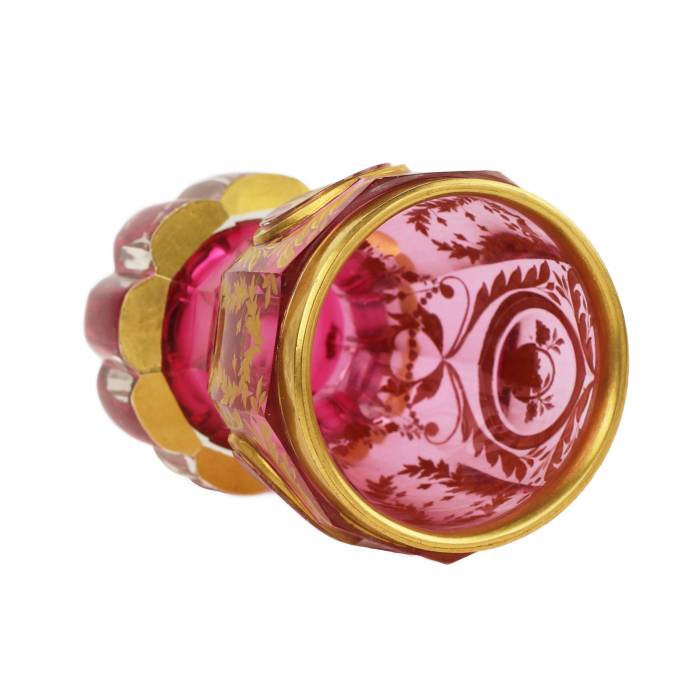
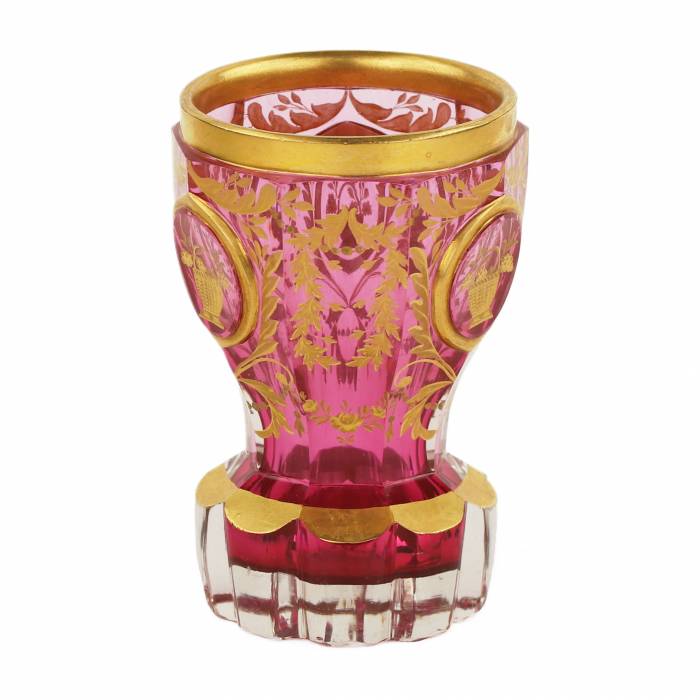
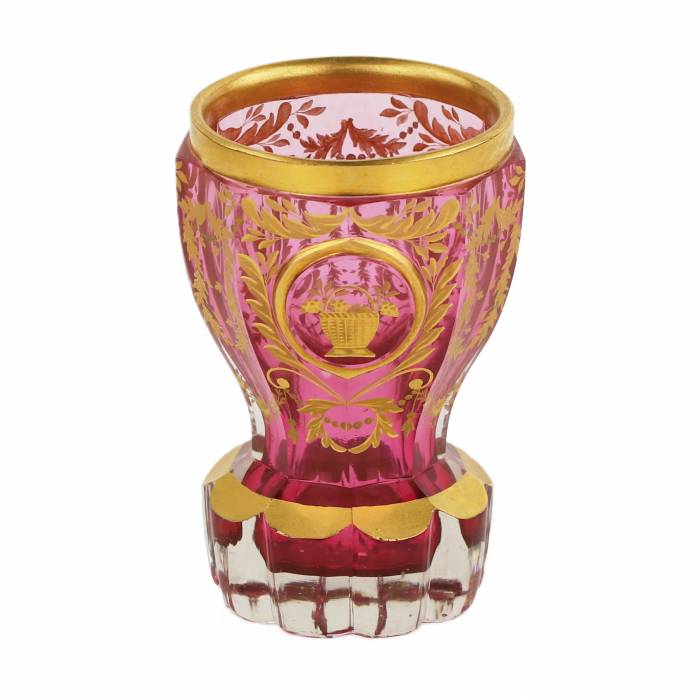
Image rouge et blanche du verrier russe Nicolas Ier, créée par les maîtres de la verrerie de l`empereur. Un vase en verre transparent avec la couleur intérieure « rubis doré », qui donne la couleur une technologie unique de peinture sur verre. masse de nanoparticules d`or.Composition de la décoration au plus haut niveau : le corps du bijou est peint d`or pur, complété par un détail délicat. Décoration centrale - un médaillon représentant un panier, rempli de fleurs et de baies, encadré de fleurs de lavande élégantes. Cette motivation, symbolisant la croissance et la représentation, est complétée par des gyruses à croissance fine marchant sur l`herbe. La croûte supérieure est formée par une large quille dorée, offrant une promesse de prospérité et de joie. Une telle impression crée une base grandiose, un jeu stimulant lumière dans les globes de verre et renforçant l`effet du sang de dragon. Eléments décoratifs à base d`éléments fixes accentués, formant un moule en plastique façonné.Dimensions :Hauteur : 12,7 cm. Diamètre : 8,5 cmConsistance : En parfait état, espacements minimes. Possibilité de règlement individuel, sans tarif.Déclaration historique : « Golden Rubin » La technologie de fabrication du verre rubis guérit les cors dans le monde, jusqu`à la période néonicotinoïde. Cependant, au XVIIe siècle, l`alchimiste allemand Johan Kunkel a commencé à développer une recette scientifiquement élaborée qui pouvait réussir à obtenir le célèbre rouge sang. plaque de verre En Russie, la première technologie de peinture du verre avec des nanoparticules d`or a été développée par l`excellent scientifique Michael Lomonosov, dont le travail est basé sur les principes de Production de verre rubis.Au début du XIXe siècle, la Compagnie Impériale du Verre a atteint un haut niveau de maîtrise dans le travail de cette technologie noble et complexe. Les pièces élégantes en verre rubis, décorées de feuilles d`or, appartiennent à la catégorie des produits de la plus haute qualité. Ils décoraient les salles de parade des résidences impériales, préparant des plats délicieux, de style savoureux et atteignant une valeur artistique.
Art:
russia
Hauteur:
13 cm
Largeur:
8 cm
Épaisseur:
7 cm
Période:
19Ème Siècle
Style:
Classicisme
Pays:
Russie, Saint-Pétersbourg
Matière:
Verre
État:
Revive
Fair
Good
Very good
Like new

The condition report is provided for informational purposes only.

It is not comprehensive and may not reflect all defects, restorations, alterations, or adaptations, as Antiqon does not perform professional conservation-level assessments. The information is based on a qualified, yet subjective, evaluation by our specialists.Before purchasing, we recommend consultation with an independent expert.Please also consult our Terms and conditions and Glossary A-Z, which contain important information on lot characteristics and sale conditions.
Russian Imperial Glass Factory.
The backstory of Imperial Glass began in the 1730s with a small production of the English merchant Elmsel on the Fontanka. He was charged with making products brought to the yard, as well as items for general sale. In 1755, by decree of the Senate, the production was transferred from the city to Yamburg, and later to the village of Nazyu near Shliselburg. In 1777, Catherine the Great donated the plant to Prince Potemkin, hoping for his care. This date is considered to be the time of foundation of the Imperial Glass Factory. Later, the Most Serene One transferred production to his estate Ozerki, and after the death of the prince in 1792, the plant was officially called the Imperial Glass Factory and passed into the jurisdiction of the Cabinet of His Imperial Majesty. The "Regulations on the Imperial Glass Factory" required the production of "art items to be presented to the Imperial Court and to be awarded to various persons and institutions on the highest behalf from the Cabinet of His Majesty." The plant also carried out private orders received through the shop of the Glass Factory, located in Quarenghi′s office on Nevsky Prospect and with the approval of His Majesty′s office. The factory regularly replenished the royal and grand ducal storerooms with crystal ware and gifts. The heyday of interior glass fell on the 1820s and is associated with trophy bronze and glass. Many famous architects have worked for the Glass Factory, including Voronikhin, Brenna and Rossi. By the end of the 19th century, the plant produced about 20,000 items per year. Participated in art and industrial exhibitions and was a landmark of St. Petersburg. The fashion for Art Nouveau glass gave the last splash in the production of artistic crystal at the Imperial Glass Factory. World war and crisis put an end to production. After a series of unsuccessful attempts to revive production, the plant was closed in 1917.

Stay up to date with new arrivals
Save Verre and we let you know when new listings appears in this category
Sauvegarder

Related items