Price:
45000 €
Add to cart
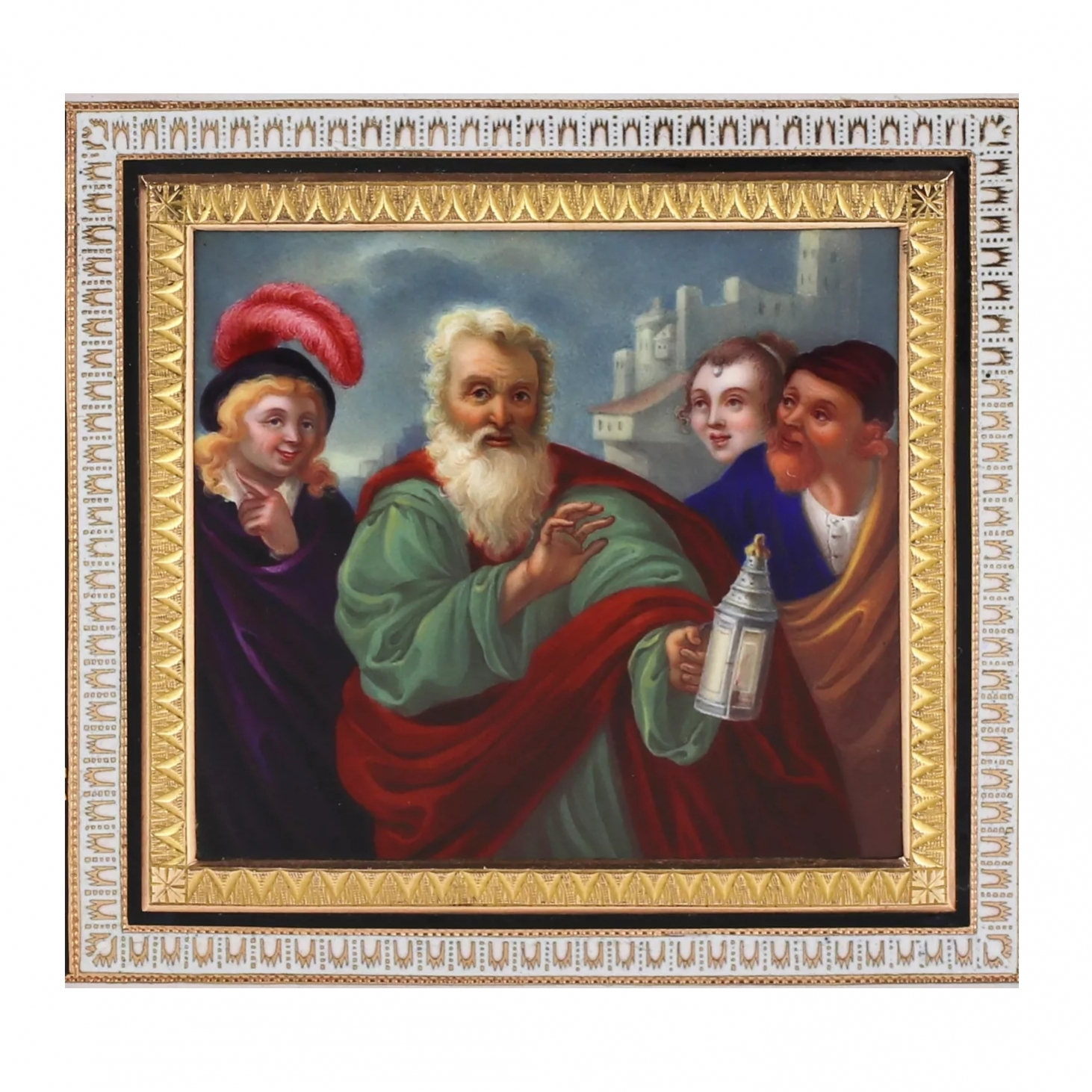
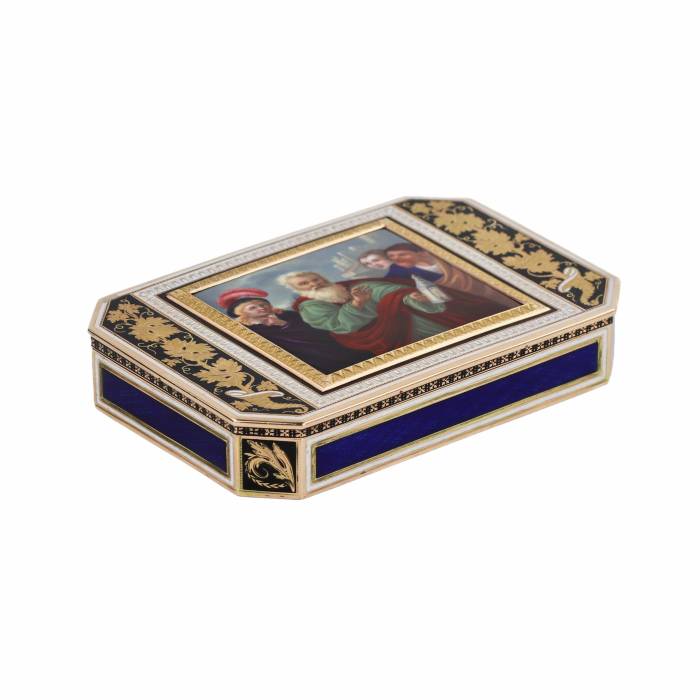
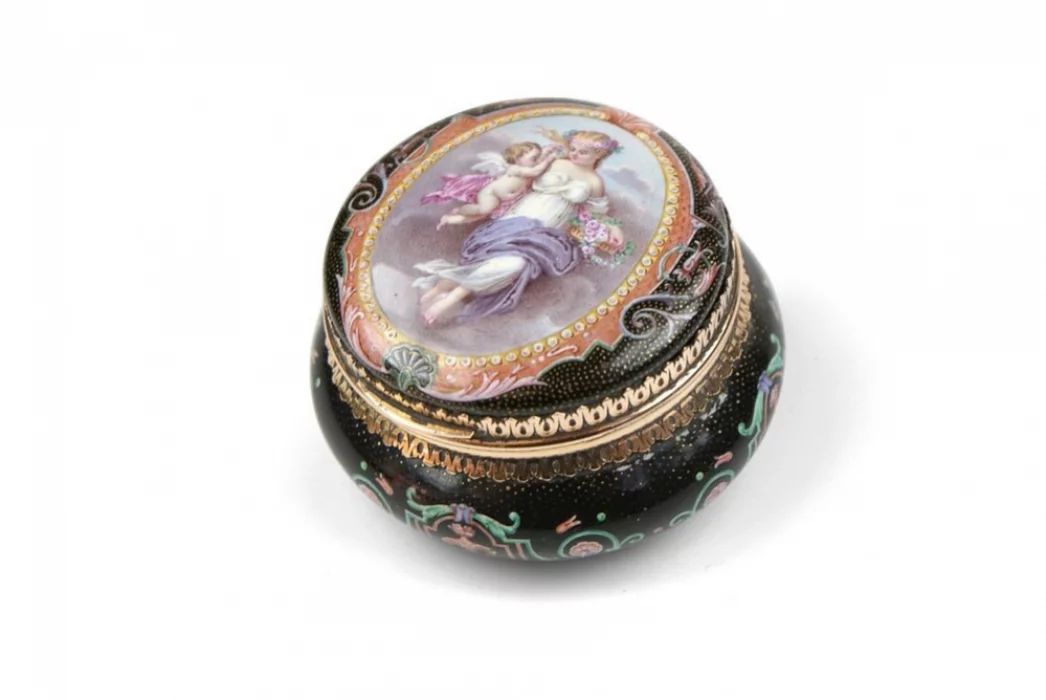
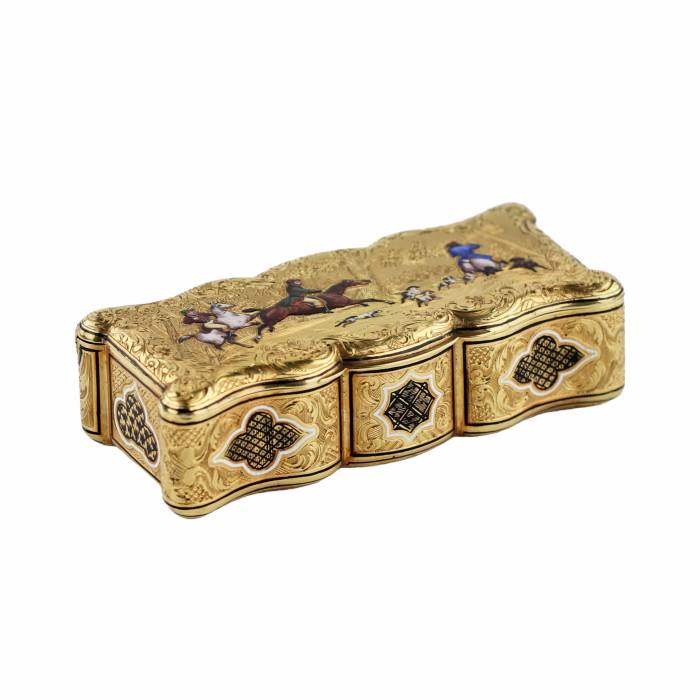
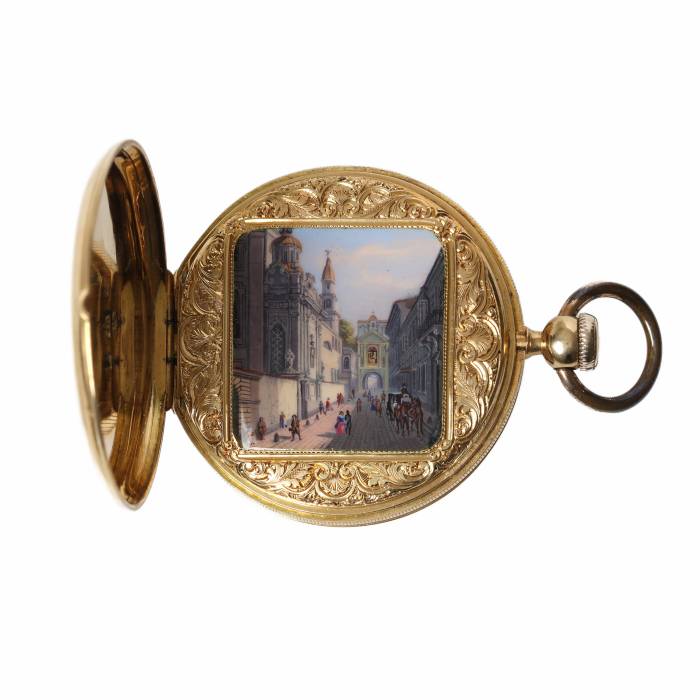
Enamel miniature is a pictorial technique in which an image is executed with enamel paints on a metal ground and fixed by successive firings. Emerging during the Renaissance, it developed in France, Switzerland, Germany, England and Russia, becoming an important component of European jewellery and decorative arts.
We will only share latest what our month on the ENAMEL MINIATURE.
HISTORY AND ORIGIN
Enamel miniature was formed in 16th century France, particularly in Limoges, where enamel began to be used as an independent pictorial medium. In the 17th-18th centuries the technique spread to Geneva and Paris and became highly sought after for the decoration of watches, snuff boxes and portrait medallions. During the 18th-19th centuries it was widely practiced in Germany, Austria and England, while in Russia it flourished in the metropolitan workshops of the 19th and early 20th centuries.
TECHNIQUE AND PROCESS
The image is applied in fine layers of ground glass mixed with water or an oil binder onto a gold, silver or copper surface. Each layer is fixed by firing at high temperature. Colours change during firing, requiring precise calculation and considerable skill. After the final firing the surface is polished to a glass-like finish. The technique is often combined with guilloché, engraving, niello and gilding.
ARTISTIC AND STYLISTIC CONTEXT
Enamel miniature is distinguished by refined detail and subtle modelling. In the Renaissance and Baroque periods religious and mythological subjects prevailed. During the Neoclassical and Empire eras allegorical and historical compositions were favoured. The 19th century saw the rise of portrait miniatures and genre scenes, while the Art Nouveau period introduced decorative and symbolic motifs. The technique allows for painterly depth and delicate gradations of light and shade.
APPLICATION AND MASTERS
Enamel miniature was used to decorate snuff boxes, watches, medallions, cigarette cases, icon covers and jewellery. In France the principal centre was Limoges in the 16th-17th centuries, later Paris in the 18th-19th centuries.
In Switzerland the Geneva school became renowned for its refined portrait enamels for watches and luxury objects. In Germany and Austria the technique was employed in jewellery and commemorative medallions. In England in the 18th-19th centuries enamel miniatures were widely used in watchmaking.
In Russia in the 19th and early 20th centuries the technique developed in Moscow and St Petersburg workshops, including the firms of Carl Fabergé, Pavel Ovchinnikov, Fyodor Ruckert and Fyodor Lorier, where it was applied both to intimate portrait compositions and to complex decorative subjects for ceremonial objects.HISTORY AND ORIGIN