Price:
6500 €
Add to cart
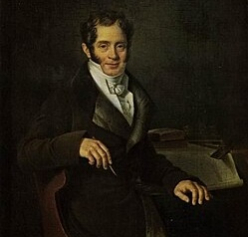
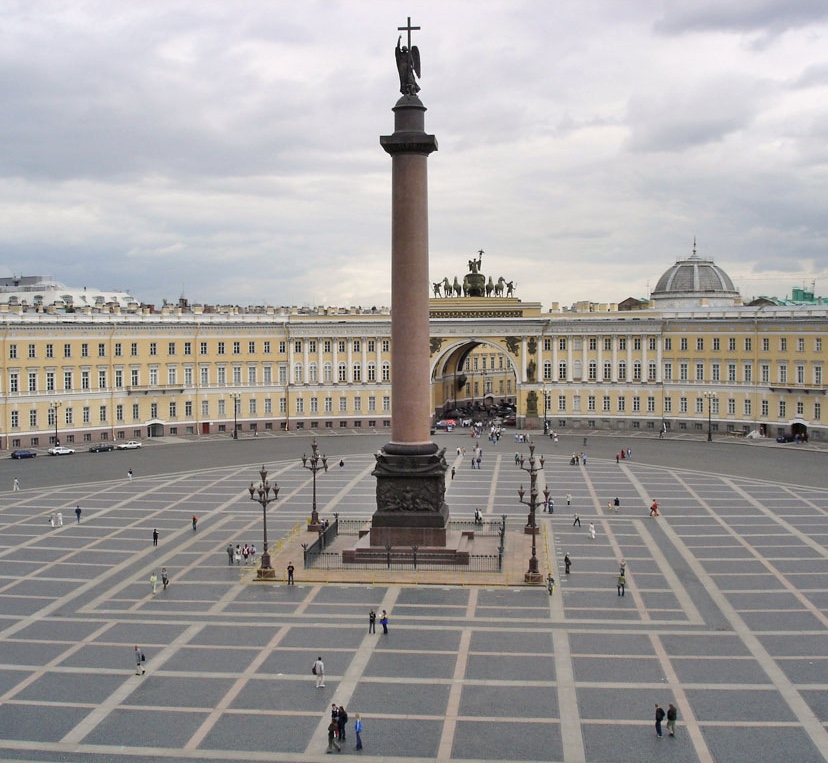
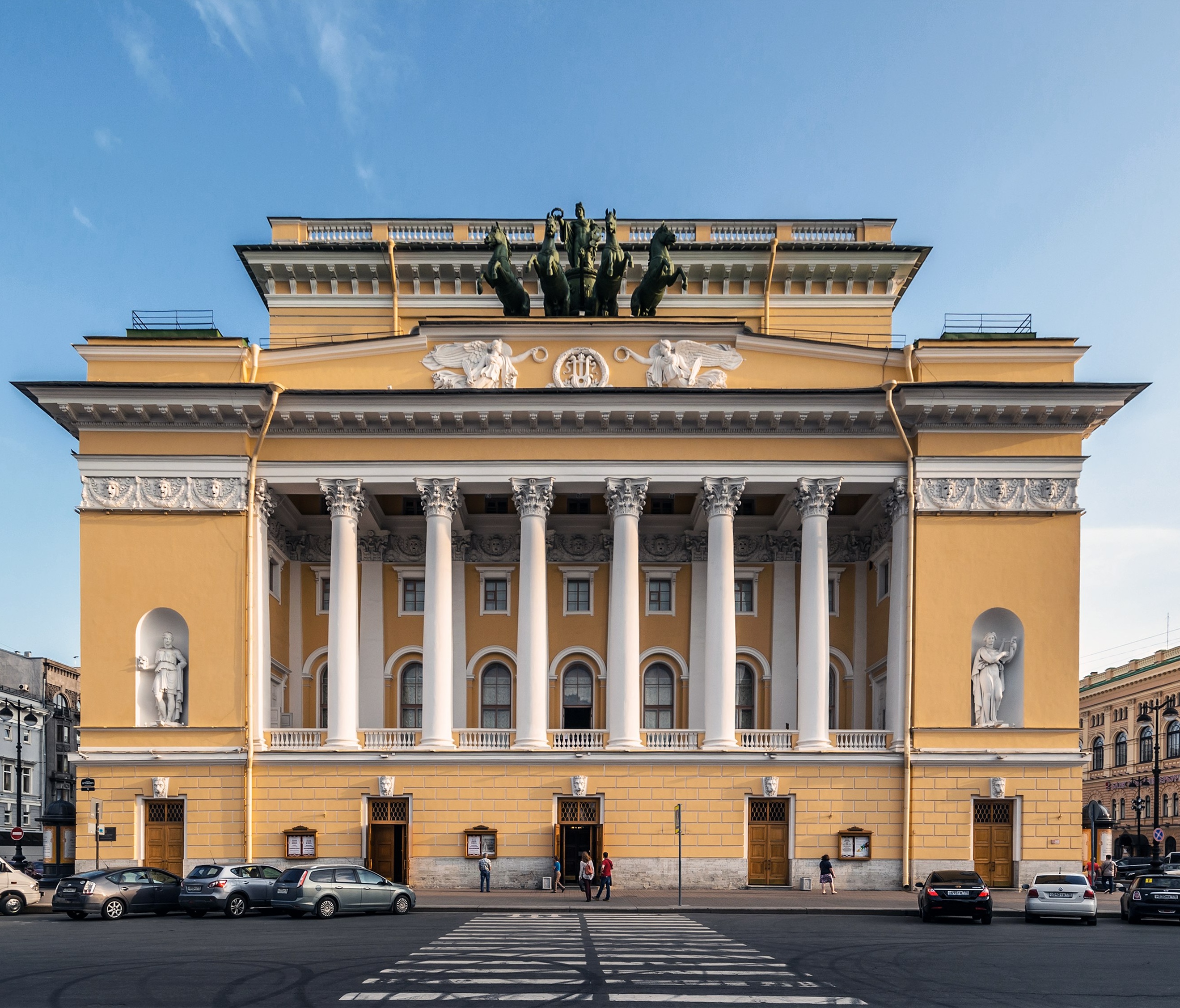
Carlo Rossi was an architect of Italian origin who shaped the architectural image of Saint Petersburg in the first half of the 19th century. A leading master of the Russian Empire style, he created the ensembles of Palace Square, the Mikhailovsky Palace and the Alexandrinsky Theatre, decisively influencing the development of urban planning in the Russian Empire.
We will only share latest what our month on the CARLO ROSSI.
BIOGRAPHY
Carlo di Giovanni Rossi was born in 1775 in Naples into the family of the ballerina Gertrude Rossi. In childhood he moved to Russia. He studied architecture under Vincenzo Brenna and participated in the decoration of St Michael’s Castle. Between 1802 and 1806 he refined his professional training in Italy, studying ancient and Renaissance architecture. He died in Saint Petersburg in 1849.
CAREER MILESTONES
His early period was connected with service at the court of Paul I and Alexander I. In 1816 he was appointed chief architect of the Committee for Construction and Hydraulic Works. Between 1819 and 1829 he created the ensemble of Palace Square with the General Staff Building. In 1819-1825 he designed and built the Mikhailovsky Palace. In 1828-1832 he completed the Alexandrinsky Theatre and formed Theatre Square. The later phase of his career was marked by work on administrative and public buildings of the capital.
STYLE, TECHNIQUE AND ARTISTIC VISION
Rossi is a central figure of the Russian Empire style. His architecture is characterised by strict symmetry, monumental order compositions and an ensemble-based approach to urban space. He combined classical antiquity with imperial symbolism, creating coherent urban structures. Of particular importance was his method of comprehensive design, encompassing façades, interiors and decorative programmes.
LEGACY AND MASTERPIECES
Among his principal works are the ensemble of Palace Square with the General Staff Building, the Mikhailovsky Palace in Saint Petersburg, the Alexandrinsky Theatre and the Senate and Synod complex. These monuments form part of the historic centre of Saint Petersburg inscribed on the UNESCO World Heritage List. Rossi’s work established the canon of Russian Imperial Classicism and influenced European Neoclassicism of the 19th century.