×
Create account and receive
15% DISCOUNT
your first acquisition
or
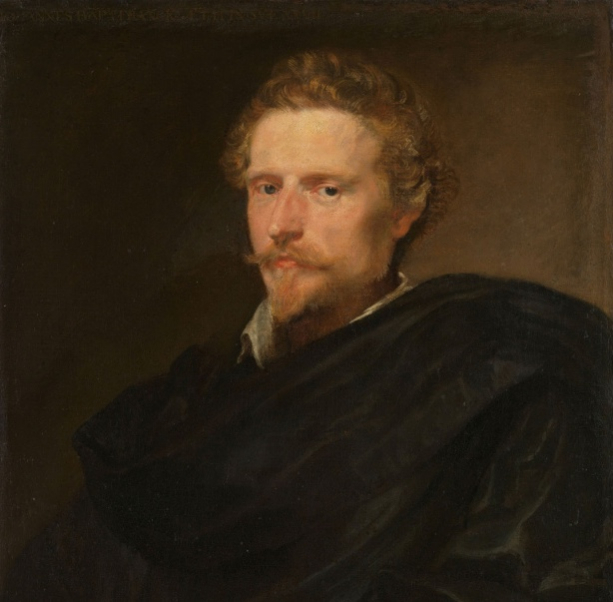
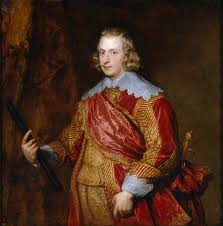
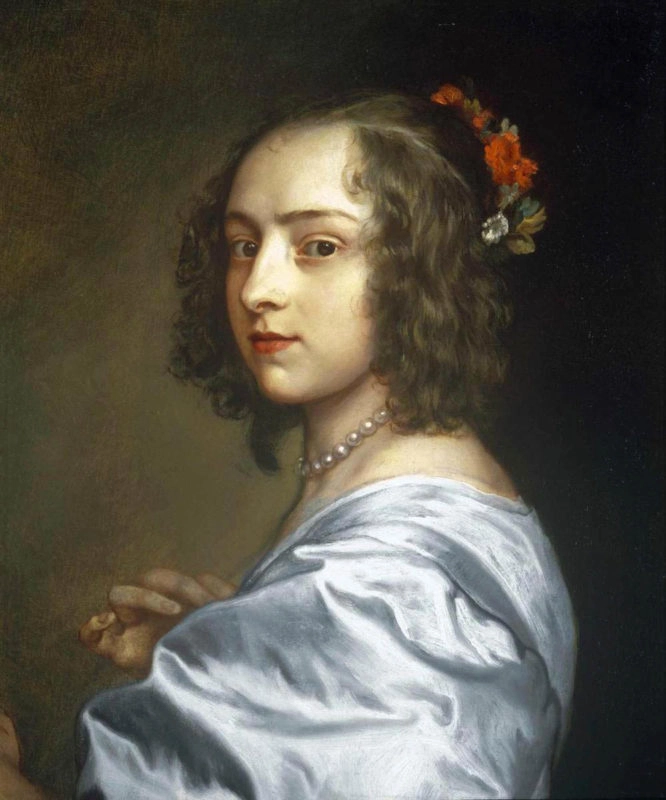
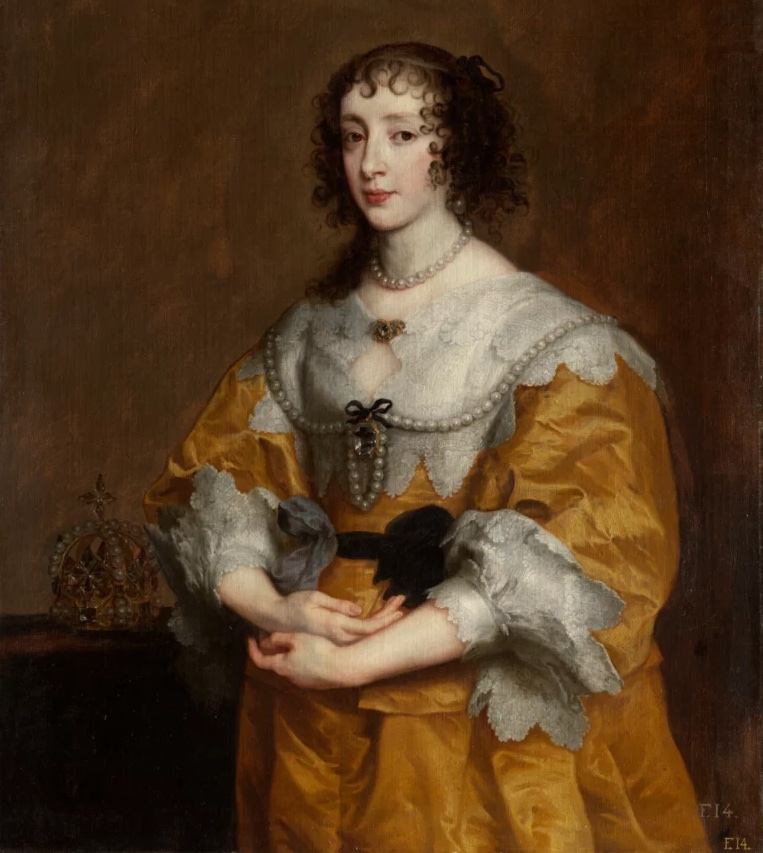
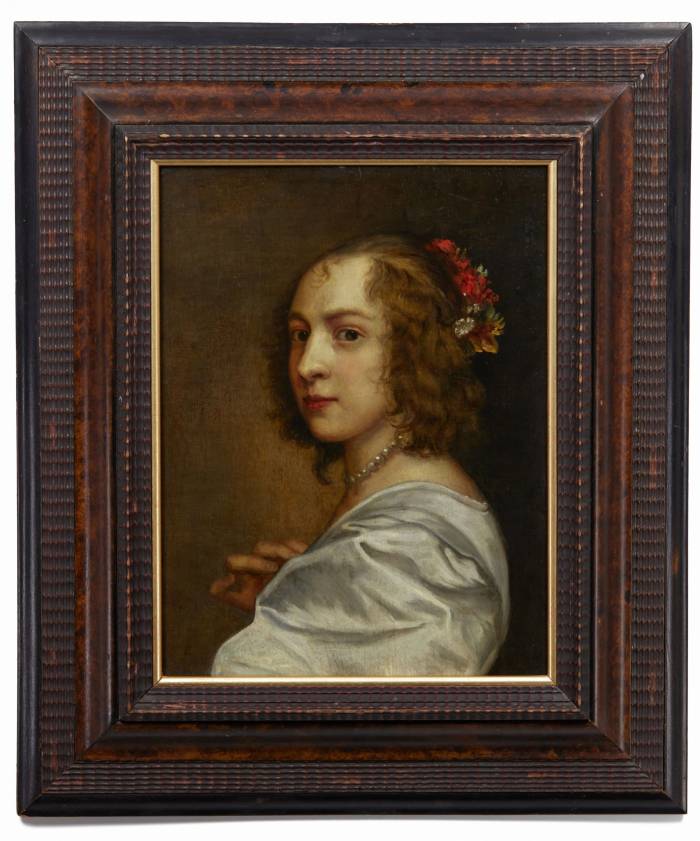
Anthony van Dyck was a Flemish Baroque painter and one of the foremost masters of the European court portrait in the seventeenth century. A pupil of Peter Paul Rubens and court painter to Charles I of England, he established the canon of aristocratic portraiture that shaped the development of British painting for generations.
We will only share latest what our month on the ANTHONY VAN DYCK.
BIOGRAPHY
Anthony van Dyck was born in 1599 in Antwerp into a prosperous merchant family. He received his early artistic training in the workshop of Hendrick van Balen and was admitted as a master to the Guild of Saint Luke in 1618.
From the early 1610s he worked in the studio of Peter Paul Rubens, participating in large-scale altarpieces and gaining experience in complex compositions. In 1620 he travelled to England briefly, before departing for Italy. Between 1621 and 1627 he resided primarily in Genoa, also working in Rome, Venice and Palermo. The Italian period proved decisive in shaping his mature style.
In 1632 he was invited to the court of King Charles I and appointed Principal Painter in Ordinary to the King. He was knighted the same year. The London period became the most influential stage of his career. Van Dyck died in London in 1641 and was buried in St Paul’s Cathedral.
CAREER MILESTONES
The Antwerp period was marked by religious compositions and early portraits reflecting Rubens’s influence. During his Italian years he absorbed the Venetian tradition of Titian and Veronese, developing a refined approach to portraiture.
In Genoa he established a model of aristocratic portrait that emphasised lineage, dignity and social status. The London period from 1632 to 1641 consolidated his international reputation. His portraits of Charles I, Queen Henrietta Maria and members of the English nobility created a new visual identity for the Stuart monarchy. His London workshop operated as an organised studio with assistants and copyists, meeting the high demand for royal and noble likenesses.
STYLE, TECHNIQUE AND ARTISTIC VISION
Van Dyck is associated with Flemish Baroque painting, yet his manner is distinguished by elegance and restraint compared to Rubens. He developed a type of aristocratic portrait grounded in compositional balance, soft chiaroscuro and a controlled colour system.
Characteristic features include elongated proportions, refined gestures, and the subtle articulation of hands and facial expression. He frequently employed neutral backgrounds or landscape settings to enhance spatial depth. His technique relied on transparent glazing and delicate modelling of flesh tones. Particular attention was devoted to rendering textiles, lace, armour and silk with precision.
By synthesising Flemish painterly richness with Venetian colourism, van Dyck created a portrait language of enduring international authority.
LEGACY AND MASTERPIECES
Among his principal works are “Charles I at the Hunt” 1635, Musée du Louvre; “Triple Portrait of Charles I” 1635 - 1636, Royal Collection, Windsor; “Portrait of Marchesa Elena Grimaldi” circa 1623, National Gallery of Art, Washington; and “Self-Portrait with Sir Endymion Porter” circa 1635, Museo del Prado.
Van Dyck exerted profound influence on eighteenth-century British portraiture, particularly on Joshua Reynolds and Thomas Gainsborough and the development of the Grand Manner. His model of aristocratic representation shaped court portraiture across Europe and remains a benchmark within the history of Baroque art.