×
Create account and receive
15% DISCOUNT
your first acquisition
or
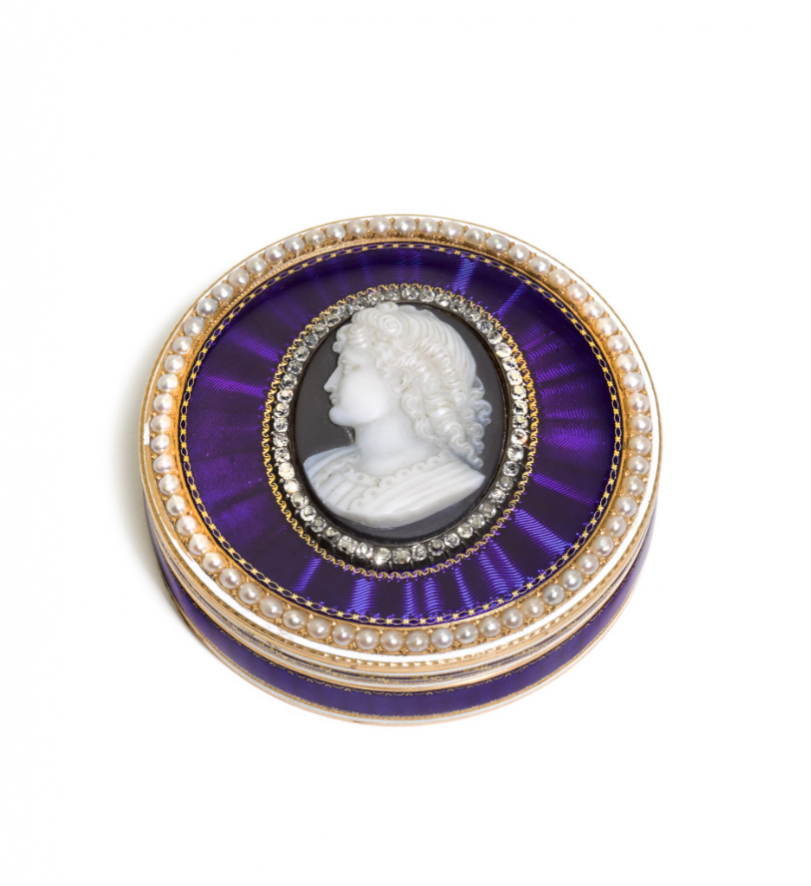
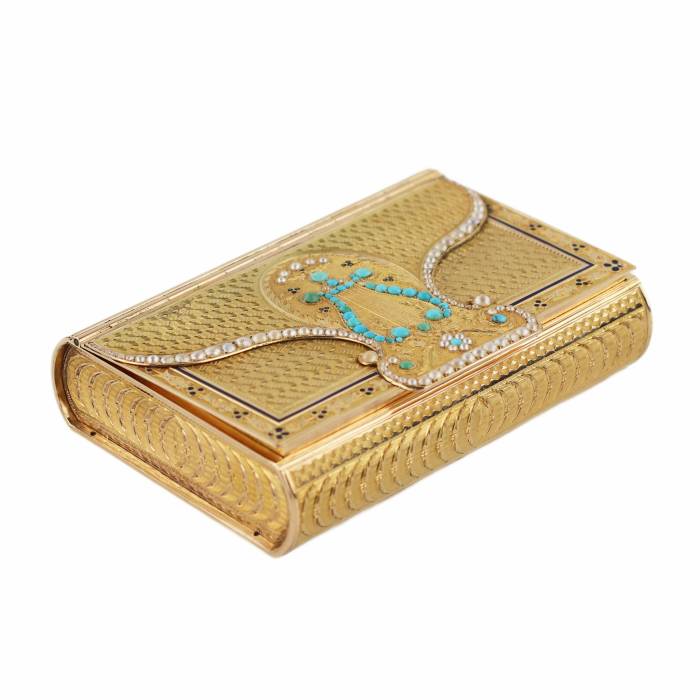
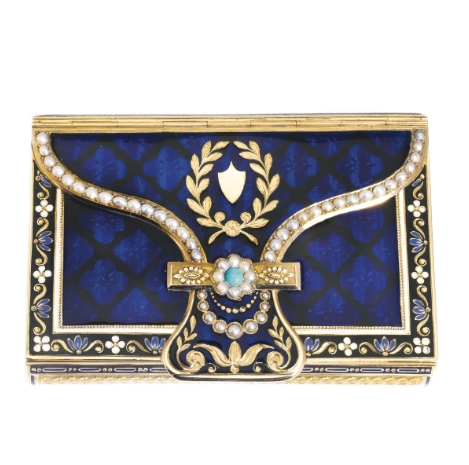
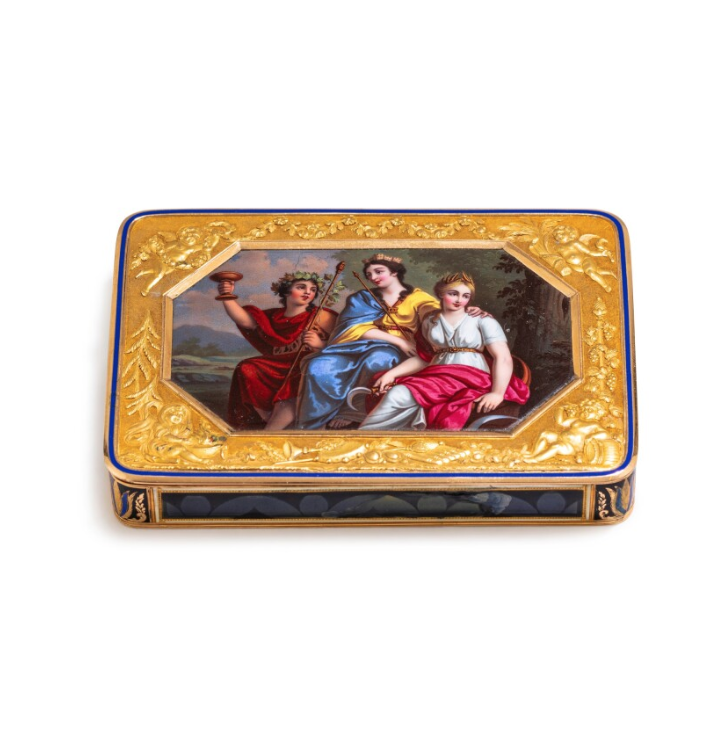
Jean-George Rémond & Co was a Geneva goldsmith and enamelling workshop founded in 1783 by Jean-Georges Rémond. The firm specialised in gold snuff boxes, musical boxes, singing bird automata and shaped watches incorporating complex mechanisms, supplying the international luxury market.
We will only share latest what our month on the JEAN-GEORGE RÉMOND & CO.
HISTORY AND DEVELOPMENT
Jean-George Rémond & Co was established in Geneva in 1783 by Jean-Georges Rémond. The enterprise developed within the established tradition of Geneva goldsmithing and enamelling that had taken shape in the second half of the eighteenth century. From its earliest years the workshop focused on the production of finely executed snuff box and watch cases, combining goldsmith’s craftsmanship with precision mechanical engineering.
At the turn of the eighteenth and nineteenth centuries the firm expanded its production and created commercial links between Geneva and Hanau, enabling access to a broader international market. Its works were exported to France, Great Britain and the Russian Empire.
TITLES, AWARDS AND COMMISSIONS
The workshop’s production enjoyed sustained demand among the European aristocracy. Snuff boxes and automata by Jean-George Rémond & Co frequently functioned as diplomatic gifts and objects of courtly use. Although formal status as an official court supplier is not documented for every period, the level of execution and the character of commissions indicate production for the highest social circles.
ARTISTIC SPECIFICITY AND TECHNIQUES
Characteristic features comprise the use of translucent coloured enamel over engine-turning, painted enamel miniatures, multi-coloured gold and the integration of mechanical devices within decorative cases. Stylistically the works correspond to Neoclassicism and the early Empire style.
LEGACY AND MASTERPIECES
Representative works include portrait snuff boxes of the 1780s - 1790s, singing bird automata circa 1800 and shaped watches dating from 1790 - 1815. Comparable examples are preserved in museum collections in Switzerland, France and Great Britain, as well as in significant private collections. The workshop played an important role in the development of the synthesis between jewellery and mechanical art within the European luxury market.